
StoryBrand Marketing Agency
Is Your Marketing Message So Confusing Even Your Own Mom Doesn’t Get It?
We're an award-winning StoryBrand Marketing Agency that helps Service Businesses clarify their messaging so everyone wants to work with you!
✓ Build trust and authority in your industry
✓ Connect with CLIENTS WHO ACTUALLY GET IT
✓ MARKETING THAT FEELS NATURAL
WATCH THIS VIDEO
If your message isn’t landing—and the right clients aren’t showing up—it’s not your fault. Most service business owners are great at what they do. They just struggle to talk about it clearly.
In this video, I’ll walk you through how we fix that using the StoryBrand Framework, plus how to get started with either DIY or done-for-you options.


WHAT HAPPENS WHEN YOUR MESSAGE ISN’T CLEAR
Can your mom explain what you do?
Can you easily explain what you do?
Can anyone?
If not, that's the problem we fix.
Because when people don’t understand what you do, they move on. You end up working harder just to stay in the game.
You’re always re-explaining yourself
Your website doesn’t convert visitors into clients
Your leads aren’t the right fit
Referrals become scarce
Marketing is frustrating as all hell
But it doesn’t have to be this way. A clear message makes all of that easier. It’s the difference between chasing leads—and attracting the right ones.
You might not believe it yet, but marketing can actually be the opposite of frustrating when you're doing it right.
MAKE YOUR MARKETING Simpler
Whether you want to learn the system or hand it over completely, the goal is the same: clear messaging that brings in better clients with less effort.

A DIY SYSTEM THAT’S SIMPLE TO FOLLOW

for weekly group coaching, templates, and a proven system that fits seamlessly into your week—without taking over your life.
.

COACHING THAT MEETS YOU WHERE YOU ARE
Want someone to walk you through it? Get 1:1 or team coaching to clarify your message and apply the StoryBrand Framework to your business in real time.
.

DONE-FOR-YOU MARKETING
Too busy to do it yourself? We’ll build your messaging, write your copy, create the assets you need, and handle your StoryBrand marketing—so you can stay focused on running your business.
HI, I'm Vicky Sidler
And I’VE BEEN WHERE YOU ARE

I know how it feels to stare at your marketing and think, “Why isn’t this working?” That's why I created a StoryBrand Marketing Agency.
All in all, your business isn’t just another brick in the wall—it’s something special. Your story matters, and I’m here to help you share it in a way that feels real, connects with people, and gets results.
As a certified StoryBrand Guide, I specialize in turning complicated ideas into clear, compelling messages that resonate with your audience.
With a background in journalism, I’ve spent decades telling stories that matter and crafting content people want to read.
I’ve developed a proven system to help businesses like yours cut through all the AI trash that's out there and build genuine connections with their audience.
Your story isn’t just important—it’s the reason people will choose your business. Let’s make sure it’s heard loud and clear by the people who need it most.
And sorry if I got Pink Floyd stuck in your head just now...
Hear Directly from DONALD MILLER
In this short clip, StoryBrand’s founder Donald Miller explains why clear messaging and a simple marketing plan change everything.
Donald shares why newsletters are back, what a full StoryBrand campaign includes, and how a certified guide helps you focus on what actually works—without wasting money or time.
Watch to see how working with a StoryBrand Certified Guide can make a measurable difference for your business.
EVERYTHING STORYBRAND, ALL IN ONE PLACE
Whether you need help with strategy, websites, content, or SEO, I offer the full range of StoryBrand marketing services—done with you or done for you.
StoryBrand Framework
StoryBrand Wireframe
StoryBrand Websites
StoryBrand SEO
StoryBrand Video
StoryBrand Copywriting
StoryBrand Email Sequences
StoryBrand Marketing Funnels
StoryBrand Workshops
StoryBrand Consulting
StoryBrand PPC
StoryBrand Lead Generation
StoryBrand
Social Media
StoryBrand Strategy
StoryBrand Content Marketing
StoryBrand Local Service
StoryBrand Coaching
MARKETING THAT DOESN’T TAKE OVER YOUR LIFE
Whether you want to build it yourself or hand it off completely, as a StoryBrand Marketing Agency, we’ll give you a clear message and a simple system that actually works.

1
BOOK A COFFEE CHAT
This is a no-pressure, non-sales call where we discuss what’s working, what’s not, and where you want to go.
.
2
CHOOSE YOUR PATH
Get hands-on support through the StoryBrand Course, 1:1 or team coaching, or let me build the entire marketing system for you—messaging, website, emails, and more.
.
.

3
FIX YOUR MARKETING
Walk away with a message that resonates, a plan that’s easy to follow, and marketing that works while you sleep and finally delivers results.
COFFEE’S ON ME (OK, NOT REALLY)
But I'm serious about helping you connect with your audience. Let’s grab a coffee (on Zoom) and chat about your marketing goals.
Wondering how to simplify your message? Let’s talk.
Ready to stand out in an AI-saturated world? I’ve got ideas.
Just need clarity? I’ll help you see the big picture.
This isn’t a sales call—just a friendly, low-pressure chat. At the very least, you’ll walk away with some cool ideas you can try on your own.
SCHEDULE YOUR COFFEE CHAT WITH ME (VICKY) TODAY
FIXING YOUR MARKETING SHOULDN’T FEEL IMPOSSIBLE
Most small business owners aren’t marketers—they just want to explain what they do in a way that makes people care.
But when the message isn’t clear, everything else gets harder: websites don’t convert, leads go cold, and social posts fall flat.
You might worry that getting it right will take too much time, cost too much money, or feel like just another online course you’ll never finish.
That’s why I offer three simple paths: do-it-together support through the StoryBrand Course, 1:1 and team coaching, or done-for-you services where I build your full funnel myself.
You’ll get clear messaging, practical templates, and real support—so your marketing finally works and your business actually grows.
YOUR QUESTIONS, ANSWERED
We know marketing can feel overwhelming, and you probably have questions. That’s why we’ve put together answers to the things people ask us most.
What makes Strategic Marketing Tribe different from other StoryBrand marketing agencies?
We’re the StoryBrand marketing agency that skips the boring "corporate speak." We blend the power of StoryBrand with strategic marketing solutions to craft content that feels human, genuine, and impossible to ignore.
How can your strategic marketing solutions benefit my business?
Our strategic marketing solutions simplify your message, clarify your brand story, and help you connect with your ideal customers. It’s marketing that makes sense and gets results – no jargon, no gimmicks, just growth.
What is StoryBrand, and why does it matter?
Think of StoryBrand as a cheat sheet for marketing clarity. It helps you explain what you do in a way that makes people stop, listen, and say, “Oh, I get it.” We use it to create marketing that feels human and that your audience will actually enjoy reading.
Do I need to be familiar with StoryBrand to work with you?
Not at all! Whether you’re a StoryBrand superfan (like us!) or have no idea what it is, we’ll walk you through everything. We’re here to make the process simple, clear, and (dare we say) fun.
How do I know if this is right for my business?
If people keep saying “I don’t really get what you do,” or you’re getting the wrong kind of leads, it’s a sign your message needs work. That’s what we fix.
What if I don’t have time to take a course?
The course is built for time-strapped business owners. You get short lessons, plug-and-play templates, and live support so you’re never stuck or overwhelmed.
What’s the difference between the course and the done-for-you service?
The course gives you training, tools, and weekly support so you can do it yourself. The done-for-you option means I build your whole funnel for you.
How long does it take to see results?
Most people see clearer messaging and better engagement within a week of applying the one-liner. Bigger results (like leads and conversions) follow as you apply it across your marketing.
What if I’ve already tried StoryBrand and it didn’t work?
Many people try to apply StoryBrand on their own and miss key parts. This course walks you through it step-by-step, with real examples and live feedback from a Certified Guide.
STORY, MEET STRATEGY
Let’s make marketing feel less robotic and more real. Find resources from a StoryBrand Marketing Agency that bring your message—and your business—to life.

Active Listening Boosts Sales—But Most Businesses Still Talk Too Much
By Vicky Sidler | Published 10 November 2025 at 12:00 GMT+2
If your idea of a good sales call is talking for 40 minutes and asking, “Does that make sense?” at the end, I have some bad news.
Most small businesses talk too much. Not just in meetings. In pitches. In proposals. In every part of the customer journey where silence would be more profitable.
According to multiple studies, active listening can improve sales performance by 30 percent. Yet the number one reason customers give for walking away? “They weren’t listening.”
This isn’t just a soft-skill issue. It’s a money issue.
TL;DR:
Active listening improves close rates and reduces churn
Most businesses fail because they don’t listen, not because they sell bad solutions
The best discovery calls follow an 80/20 rule: 80 percent listening, 20 percent talking
Mastering open-ended questions and body language can change your sales game
Listening well costs nothing but gives you a huge edge over bigger competitors
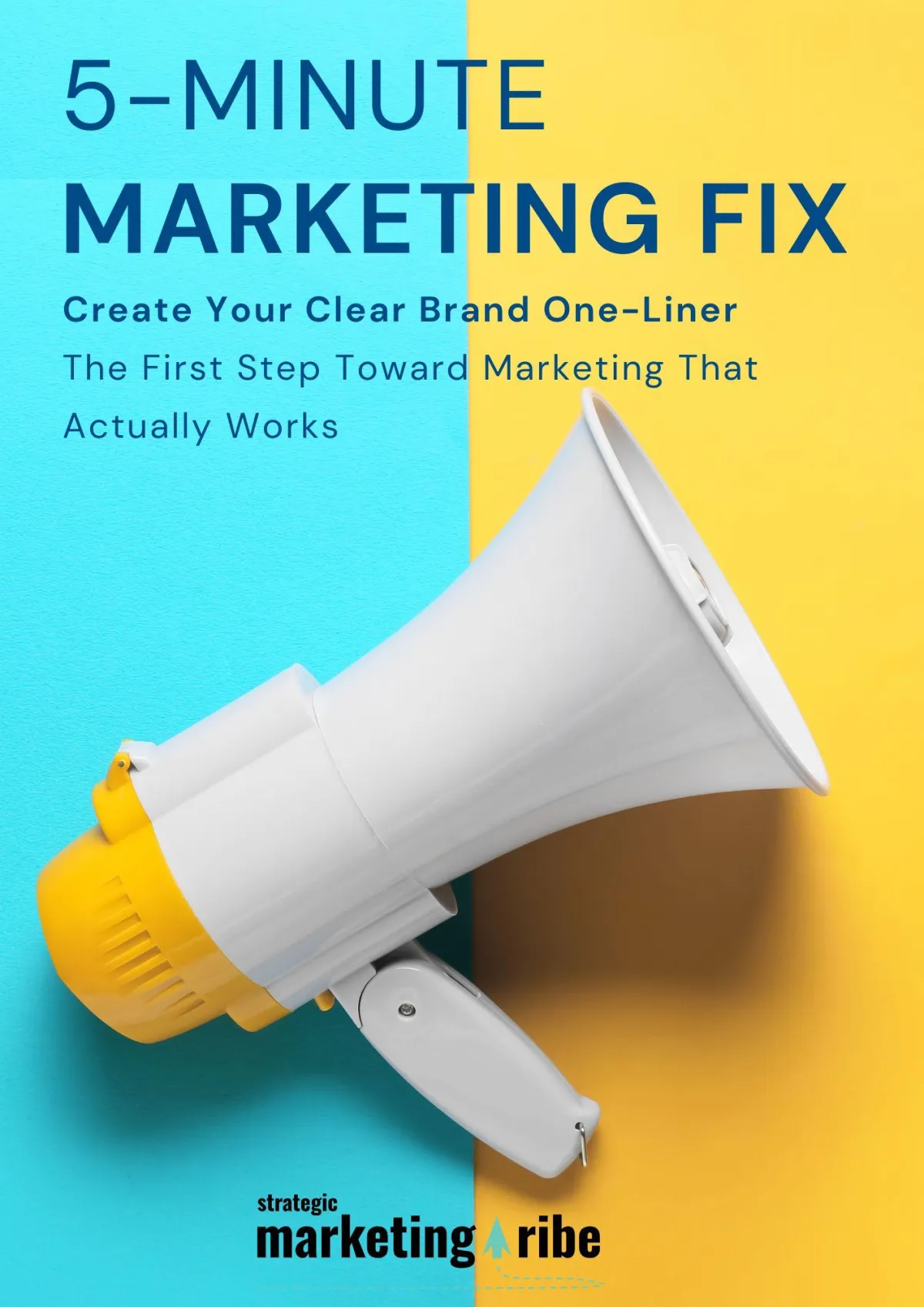
👉 Need help getting your message right? Download the 5-Minute Marketing Fix
Table of Contents:
Active Listening Boosts Sales—But Most Businesses Still Talk Too Much
The Real Reason Small Businesses Lose Sales:
Active Listening Isn’t the Same as Hearing:
A Simple 3-Step Listening Framework:
Learn to Read the Room—Even on Zoom:
Common Listening Mistakes to Avoid:
Want a Competitive Edge? Shut Up.
1. How to Find Your Unique Selling Proposition Fast
2. Free Target Audience Research That Actually Works
3. Tired of Explaining What You Do? Here's How a StoryBrand Certified Guide Helps
4. Content Marketing Strategy Framework Every Small Biz Needs (IDEAL Framework)
5. The Complete Guide to Strategic Marketing
FAQs About Active Listening in Sales
1. What is active listening and how is it different from regular listening?
2. Why does active listening help close more sales?
3. What’s the 80/20 rule in a discovery call?
4. What kind of questions should I ask during a sales call?
5. What if I’m doing sales on Zoom—does active listening still work?
6. How can I tell if a prospect doesn’t feel heard?
7. How do I stop myself from interrupting or jumping in too early?
8. How do I turn what I learn from listening into better marketing?
9. Is there a tool to help me start the conversation better?
The Real Reason Small Businesses Lose Sales:
It’s easy to assume you lost the deal because your price was too high or the timing was wrong. But chances are, your prospect simply didn’t feel heard.
Many service providers are so eager to impress that they launch into solutions before fully understanding the problem. That’s like prescribing medication before the diagnosis.
Instead, slow down. Listen. And let the client tell you what they actually need.
Active Listening Isn’t the Same as Hearing:
Hearing is when sound hits your ears. Active listening is when your brain joins the conversation.
It means putting your phone away, maintaining eye contact, and giving someone your full attention. It also means resisting the urge to plan your reply while they’re still talking.
People can tell when you're mentally halfway through your pitch while nodding at their words. It breaks trust fast.
A Simple 3-Step Listening Framework:
If listening feels vague or hard to measure, this three-step framework gives you something practical to hold onto in every client conversation.
Acknowledge: Sit up. Face them. Nod occasionally. Avoid the glazed-over “I’m thinking about lunch” stare.
Clarify: Once they finish talking, reflect back what you heard. Use phrases like “What I’m hearing is…” or “Just to make sure I understand…”
Confirm: Ask, “Did I get that right?” or “Is that accurate?” Give them space to correct or add more.
Ask Better Questions:
Closed questions get you nowhere. Open-ended ones invite real conversations. Try:
“What’s your top priority right now?”
“What have you tried already?”
“What happens if this problem continues?”
“What would success look like for you?”
These kinds of questions unlock the real story behind the surface problem.
Learn to Read the Room—Even on Zoom:
Words are just part of the message. Body language and tone often reveal more.
Crossed arms? Defensive.
Leaning forward? Engaged.
Feet pointed toward the door? Wrap it up.
But you don’t need to be in the same room to pick up on nonverbal cues. On Zoom, you can still spot signs of engagement or discomfort if you know what to look for. Pay attention to posture, facial expressions, eye contact, and tone. If someone’s looking off-screen, fidgeting, or going quiet, something’s off—even if their words say everything’s fine.
And silence? That’s where the gold is. Don’t rush to fill it. Let the client think. They might surprise you.
Common Listening Mistakes to Avoid:
Even the best listeners slip up sometimes. These are the habits that quietly sabotage your sales calls and make clients feel like you’re not really paying attention.
Interrupting too soon
Planning your reply mid-sentence
Looking for cues to pitch instead of clues to understand
Not asking follow-up questions
Ignoring nonverbal cues
Each one is a trust-breaker. Skip them.
Want a Competitive Edge? Shut Up.
Listening is the cheapest way to build trust. You don’t need a CRM or a funnel or a Facebook ad. Just ears and a brain that actually pays attention.
When your prospect feels heard, they feel respected. And when they feel respected, they trust you. That’s what makes them buy.
You don’t need a better pitch. You need a better pause.
Get my 5-Minute Marketing Fix to write one clear sentence that makes your prospects lean in before you even say a word.
Related Articles:
1. How to Find Your Unique Selling Proposition Fast
Once you’ve learned how to listen, the next step is knowing what to listen for. This article shows you how to spot the hidden value in your sales conversations and turn it into a powerful USP.
2. Free Target Audience Research That Actually Works
Listening only works if you’re talking to the right people. This article helps you apply those same listening skills to customer interviews and research—so your marketing hits the right nerve.
3. Tired of Explaining What You Do? Here's How a StoryBrand Certified Guide Helps
If you're still talking too much, your message might be the problem. This post shows how clarifying your message frees up space for more listening and less over-explaining.
4. Content Marketing Strategy Framework Every Small Biz Needs (IDEAL Framework)
After better listening comes better content. This article teaches you how to turn customer insights into content that speaks to real pain points—using their words, not your assumptions.
5. The Complete Guide to Strategic Marketing
Listening shouldn’t stop after the sales call. This guide shows how to embed listening across the entire marketing journey—from message to follow-up to retention.
Bonus: 5-Minute Marketing Fix
Want to say less and listen more? This free tool helps you write a one-liner that gets prospects talking—so you can start listening from the very first sentence.
FAQs About Active Listening in Sales
1. What is active listening and how is it different from regular listening?
Active listening means giving someone your full attention—mentally and physically. You’re not just hearing their words. You’re watching their body language, processing their tone, and reflecting back to confirm what they really mean. It’s a far cry from nodding while thinking about your to-do list.
2. Why does active listening help close more sales?
Because people buy from businesses that understand them. When you listen well, you uncover what they really want—not just what they say they want. That gives you a clearer path to offer the right solution and build trust fast.
3. What’s the 80/20 rule in a discovery call?
It’s a simple ratio: the client should speak 80 percent of the time, and you should speak for the other 20. If you're doing most of the talking, you're probably pitching too early—or missing key information.
4. What kind of questions should I ask during a sales call?
Ask open-ended questions that begin with “what,” “why,” or “how.” These spark real answers, not one-word replies. Closed questions kill conversations. Open ones create clarity, context, and connection.
5. What if I’m doing sales on Zoom—does active listening still work?
Absolutely. You can still observe posture, tone, and facial expression over Zoom. Make eye contact with the camera, resist multitasking, and pay attention to silence or hesitation. It all counts.
6. How can I tell if a prospect doesn’t feel heard?
They’ll either shut down or repeat themselves. If someone keeps circling back to the same point, they’re likely not convinced you’ve understood them yet. That’s your cue to slow down and reflect back what they said.
7. How do I stop myself from interrupting or jumping in too early?
Practice. And use silence as a tool. Count to three in your head after they stop talking. Most people will keep going if you give them just a bit more space.
8. How do I turn what I learn from listening into better marketing?
Document the exact words your prospects use when describing their problems and goals. Then use those phrases in your website copy, lead magnets, and sales emails. That’s how you create marketing that actually resonates.
9. Is there a tool to help me start the conversation better?
Yes. Download the 5-Minute Marketing Fix. It helps you create a clear one-liner that gets prospects talking, so you can start listening right away.
10. Can listening really be a competitive advantage?
For small businesses? Definitely. Bigger companies have scripts and sales quotas. You have the freedom to truly listen—and that builds the kind of trust they can’t fake.

Is your Marketing Message so confusing even your own mom doesn’t get it? Let's clarify your message—so everyone wants to work with you!




Created with clarity (and coffee)