StoryBrand Marketing Agency
Is Your Marketing Message So Confusing Even Your Own Mom Doesn’t Get It?
We're an award-winning StoryBrand Marketing Agency that helps Service Businesses clarify their messaging so everyone wants to work with you!
✓ Build trust and authority in your industry
✓ Connect with CLIENTS WHO ACTUALLY GET IT
✓ MARKETING THAT FEELS NATURAL
WATCH THIS VIDEO
If your message isn’t landing—and the right clients aren’t showing up—it’s not your fault. Most service business owners are great at what they do. They just struggle to talk about it clearly.
In this video, I’ll walk you through how we fix that using the StoryBrand Framework, plus how to get started with either DIY or done-for-you options.

WHAT HAPPENS WHEN YOUR MESSAGE ISN’T CLEAR
Can your mom explain what you do?
Can you easily explain what you do?
Can anyone?
If not, that's the problem we fix.
Because when people don’t understand what you do, they move on. You end up working harder just to stay in the game.
You’re always re-explaining yourself
Your website doesn’t convert visitors into clients
Your leads aren’t the right fit
Referrals become scarce
Marketing is frustrating as all hell
But it doesn’t have to be this way. A clear message makes all of that easier. It’s the difference between chasing leads—and attracting the right ones.
You might not believe it yet, but marketing can actually be the opposite of frustrating when you're doing it right.
MAKE YOUR MARKETING Simpler
Whether you want to learn the system or hand it over completely, the goal is the same: clear messaging that brings in better clients with less effort.

A DIY SYSTEM THAT’S SIMPLE TO FOLLOW

for weekly group coaching, templates, and a proven system that fits seamlessly into your week—without taking over your life.
.

COACHING THAT MEETS YOU WHERE YOU ARE
Want someone to walk you through it? Get 1:1 or team coaching to clarify your message and apply the StoryBrand Framework to your business in real time.
.

DONE-FOR-YOU MARKETING
Too busy to do it yourself? We’ll build your messaging, write your copy, create the assets you need, and handle your StoryBrand marketing—so you can stay focused on running your business.
HI, I'm Vicky Sidler
And I’VE BEEN WHERE YOU ARE

I know how it feels to stare at your marketing and think, “Why isn’t this working?” That's why I created a StoryBrand Marketing Agency.
All in all, your business isn’t just another brick in the wall—it’s something special. Your story matters, and I’m here to help you share it in a way that feels real, connects with people, and gets results.
As a certified StoryBrand Guide, I specialize in turning complicated ideas into clear, compelling messages that resonate with your audience.
With a background in journalism, I’ve spent decades telling stories that matter and crafting content people want to read.
I’ve developed a proven system to help businesses like yours cut through all the AI trash that's out there and build genuine connections with their audience.
Your story isn’t just important—it’s the reason people will choose your business. Let’s make sure it’s heard loud and clear by the people who need it most.
And sorry if I got Pink Floyd stuck in your head just now...
Hear Directly from DONALD MILLER
In this short clip, StoryBrand’s founder Donald Miller explains why clear messaging and a simple marketing plan change everything.
Donald shares why newsletters are back, what a full StoryBrand campaign includes, and how a certified guide helps you focus on what actually works—without wasting money or time.
Watch to see how working with a StoryBrand Certified Guide can make a measurable difference for your business.
EVERYTHING STORYBRAND, ALL IN ONE PLACE
Whether you need help with strategy, websites, content, or SEO, I offer the full range of StoryBrand marketing services—done with you or done for you.
StoryBrand Framework
StoryBrand Wireframe
StoryBrand Websites
StoryBrand SEO
StoryBrand Video
StoryBrand Copywriting
StoryBrand Email Sequences
StoryBrand Marketing Funnels
StoryBrand Workshops
StoryBrand Consulting
StoryBrand PPC
StoryBrand Lead Generation
StoryBrand
Social Media
StoryBrand Strategy
StoryBrand Content Marketing
StoryBrand Local Service
StoryBrand Coaching
MARKETING THAT DOESN’T TAKE OVER YOUR LIFE
Whether you want to build it yourself or hand it off completely, as a StoryBrand Marketing Agency, we’ll give you a clear message and a simple system that actually works.

1
BOOK A COFFEE CHAT
This is a no-pressure, non-sales call where we discuss what’s working, what’s not, and where you want to go.
.
2
CHOOSE YOUR PATH
Get hands-on support through the StoryBrand Course, 1:1 or team coaching, or let me build the entire marketing system for you—messaging, website, emails, and more.
.
.

3
FIX YOUR MARKETING
Walk away with a message that resonates, a plan that’s easy to follow, and marketing that works while you sleep and finally delivers results.
COFFEE’S ON US (OK, NOT REALLY)
But we’re serious about helping you connect with your audience. Let’s grab a coffee (on Zoom) and chat about your marketing goals.
Wondering how to simplify your message? Let’s talk.
Ready to stand out in an AI-saturated world? We’ve got ideas.
Just need clarity? We’ll help you see the big picture.
This isn’t a sales call – just a friendly, low-pressure chat. At the very least, you’ll walk away with some cool ideas you can try on your own.
SCHEDULE YOUR COFFEE CHAT WITH US TODAY
FIXING YOUR MARKETING SHOULDN’T FEEL IMPOSSIBLE
Most small business owners aren’t marketers—they just want to explain what they do in a way that makes people care.
But when the message isn’t clear, everything else gets harder: websites don’t convert, leads go cold, and social posts fall flat.
You might worry that getting it right will take too much time, cost too much money, or feel like just another online course you’ll never finish.
That’s why I offer three simple paths: do-it-together support through the StoryBrand Course, 1:1 and team coaching, or done-for-you services where I build your full funnel myself.
You’ll get clear messaging, practical templates, and real support—so your marketing finally works and your business actually grows.
YOUR QUESTIONS, ANSWERED
We know marketing can feel overwhelming, and you probably have questions. That’s why we’ve put together answers to the things people ask us most.
What makes Strategic Marketing Tribe different from other StoryBrand marketing agencies?
We’re the StoryBrand marketing agency that skips the boring "corporate speak." We blend the power of StoryBrand with strategic marketing solutions to craft content that feels human, genuine, and impossible to ignore.
How can your strategic marketing solutions benefit my business?
Our strategic marketing solutions simplify your message, clarify your brand story, and help you connect with your ideal customers. It’s marketing that makes sense and gets results – no jargon, no gimmicks, just growth.
What is StoryBrand, and why does it matter?
Think of StoryBrand as a cheat sheet for marketing clarity. It helps you explain what you do in a way that makes people stop, listen, and say, “Oh, I get it.” We use it to create marketing that feels human and that your audience will actually enjoy reading.
Do I need to be familiar with StoryBrand to work with you?
Not at all! Whether you’re a StoryBrand superfan (like us!) or have no idea what it is, we’ll walk you through everything. We’re here to make the process simple, clear, and (dare we say) fun.
How do I know if this is right for my business?
If people keep saying “I don’t really get what you do,” or you’re getting the wrong kind of leads, it’s a sign your message needs work. That’s what we fix.
What if I don’t have time to take a course?
The course is built for time-strapped business owners. You get short lessons, plug-and-play templates, and live support so you’re never stuck or overwhelmed.
What’s the difference between the course and the done-for-you service?
The course gives you training, tools, and weekly support so you can do it yourself. The done-for-you option means I build your whole funnel for you.
How long does it take to see results?
Most people see clearer messaging and better engagement within a week of applying the one-liner. Bigger results (like leads and conversions) follow as you apply it across your marketing.
What if I’ve already tried StoryBrand and it didn’t work?
Many people try to apply StoryBrand on their own and miss key parts. This course walks you through it step-by-step, with real examples and live feedback from a Certified Guide.
STORY, MEET STRATEGY
Let’s make marketing feel less robotic and more real. Find resources from a StoryBrand Marketing Agency that bring your message—and your business—to life.
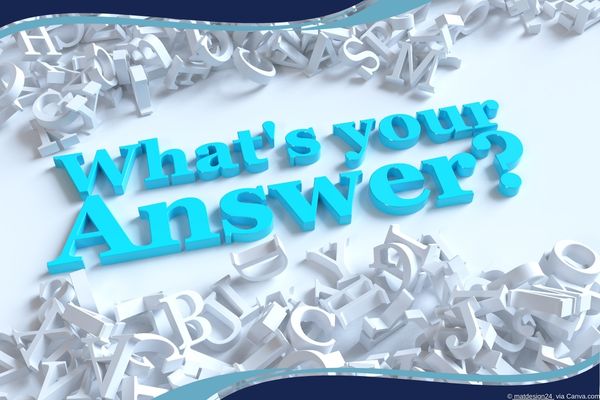
Don't Do AI Research Before Answering This One Question
By Vicky Sidler | Published 30 January 2026 at 12:00 GMT+2
There’s something about the way AI answers questions that makes you want to believe it. It’s fast. It’s clean. It doesn’t mumble, hesitate, or ask for clarification. It just goes. Like a teenager with a driver’s license and no insurance.
This is how we ended up with a chatbot that promised a $1 Chevy Tahoe. A chatbot that lied about Air Canada’s bereavement policy. A chatbot that confidently cited imaginary court cases—and got a real lawyer fined. Not because the technology glitched. But because it’s doing exactly what it was designed to do.
AI isn’t trained to find the truth. It’s trained to always give an answer.
Before you use it to make business decisions, there’s one question worth asking.
TL;DR:
AI fills in blanks with confident guesses, not verified facts
If the answer could cost you money or damage your business, use a professional
AI is great for curiosity, bad for consequences
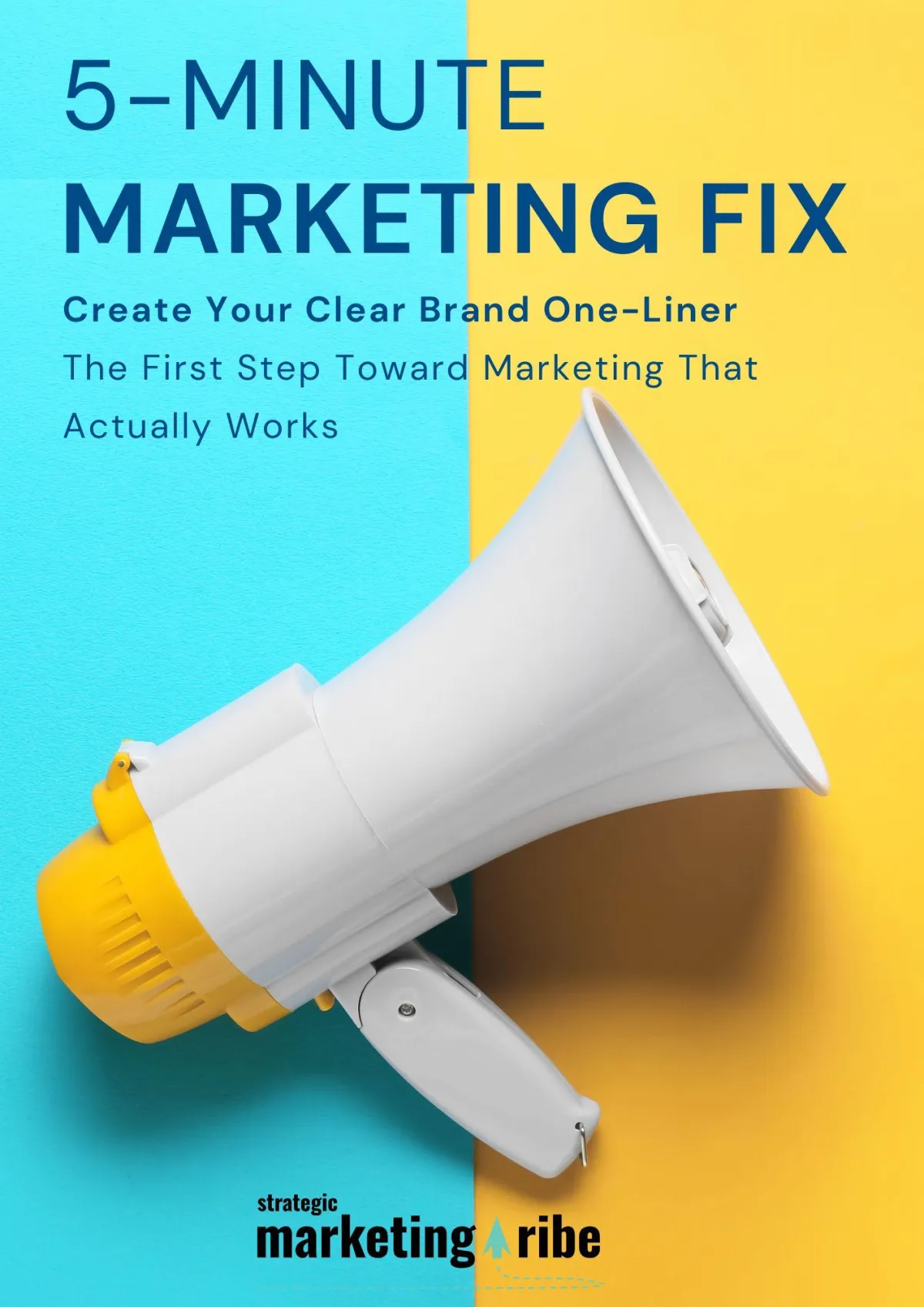
👉 Need help getting your message right? Download the 5-Minute Marketing Fix.
Table of Contents:
Don't Do AI Research Before Answering This One Question
The One Question That Actually Matters:
AI Is Great at Low-Stakes Curiosity:
Why AI Gets It Wrong Without Warning:
The Cost of a Confident Wrong Answer:
What Professionals Do That AI Cannot:
5. They care if they’re wrong.
The Real Risk Isn’t AI. It’s You Believing It Without Question.
1. Why AI Business Advice Fails Harder Than You Think
2. AI Hallucinations in Court—Big Trouble for Legal Trust
3. Fake AI Citations Trigger UK Court Warning—Here's What Small Businesses Should Learn
4. AI Is Making Big Decisions in South Africa Without You
5. Why Privacy Still Matters in the Age of AI
Frequently Asked Questions About Using AI for Business Research
1. Can I trust ChatGPT or Perplexity to do business research for me?
2. How do I know if AI has given me the wrong answer?
3. Why does AI sound so confident even when it's wrong?
4. What types of business questions are safe to ask AI?
5. When should I avoid using AI for advice?
6. Can AI hallucinate sources or make up references?
7. Does AI look at everything before giving an answer?
8. Why do different AI tools give different answers to the same question?
9. Is AI useful for brainstorming ideas?
10. What’s one question I should ask before using AI research?
The One Question That Actually Matters:
How much does it matter if this answer is wrong?
That’s it. That’s the test. If the answer to your question won’t change anything meaningful—if it’s trivia, background, or curiosity—then AI is fine. Ask away.
But if the answer could affect your money, your reputation, your strategy, or your legal standing, then using AI as your source is not research. It’s gambling.
And the odds are not in your favour.
AI Is Great at Low-Stakes Curiosity:
To be clear, I use AI all the time. I asked it last week whether wild dogs develop the same personalities as domestic dogs, or if humans bring that out in them. It gave me a poetic, slightly rambling answer that had no impact on my life or income. But it scratched the itch of curiosity, which was all I wanted.
That’s where AI shines. Random questions. Weird hypotheticals. "What if" scenarios that don’t carry consequences. It’s a fast-thinking companion for idle thoughts, and when the outcome doesn’t matter, its confidence is charming rather than dangerous.
It’s also surprisingly good for brainstorming. When you feed it your half-formed thoughts, it hands them back in different words. Sometimes that shift in language is all you need to see the idea more clearly. Not because it’s smarter, but because it mirrors your thinking in a new shape.
But many people don’t change gears when the stakes get higher. They treat a chatbot’s response to a business-critical problem the same way they treat its thoughts on sourdough starters.
That’s where things go sideways.
Why AI Gets It Wrong Without Warning:
Large language models don’t think. They predict. When you ask a question, the model doesn’t search a database or verify facts. It simply guesses the next most likely words based on patterns in its training data. That’s it.
If it doesn’t know the answer, it still responds. Not with “I don’t know,” but with something that looks like an answer. This is called a hallucination—a confident, plausible-sounding lie generated with the same tone and formatting as the truth.
Even when AI tools pull information from the internet, they don’t always understand what they’re referencing. I’ve seen Perplexity hallucinate sources and make up citations that simply don’t exist—while claiming to be purpose-built for research. It can treat a Reddit thread with the same seriousness as a peer-reviewed paper. And unless you’re double-checking those sources like your credibility depends on it, you may not even notice.
I only caught these hallucinations because I’ve become obsessive about checking sources. I’ve been burned. Most people don’t check with that level of rigor. They assume if there’s a link, it must be legit.
Even worse, AI doesn’t reference everything it’s seen every time it gives you an answer. That would be far too expensive, both in time and computing power. If you’ve ever had a chatbot forget what you told it earlier in the conversation, you’ve seen this in action. It’s not checking the entire message history. It’s skimming and guessing.
So if it can’t remember a chat thread from fifteen minutes ago, do you really think it’s remembering every best practice from your industry? Or every relevant fact from your business?
The Cost of a Confident Wrong Answer:
Let’s say your sales drop. You ask AI what’s wrong, and it points to your website—blaming poor user experience, unclear calls to action, or slow mobile load times. Sounds plausible. So you redesign your homepage, tweak your buttons, and rework your layout.
But the real issue? A competitor launched an aggressive campaign that’s eating everyone’s lunch, not just yours. Your SEO rankings didn’t change. Your messaging didn’t suddenly get worse. You just got outpaced—something the AI never mentioned because it had no idea what was happening outside your site.
This kind of misdiagnosis happens more than people think. When an AI is trained on marketing articles, it sees marketing clichés. If it’s seen a thousand posts about homepage redesigns, that’s where it sends you. It can’t assess your situation. It just offers whatever patterns it's been exposed to the most.
What Professionals Do That AI Cannot:
Here’s what human experts bring to the table:
1. They ask why.
They don’t stop at the first answer. They dig. They challenge assumptions. They check whether the root problem is upstream from the one you noticed.
2. They’re accountable.
If a consultant gives bad advice, they answer for it. If an AI does, it just generates more text.
3. They understand nuance.
Professionals don’t just see data points. They interpret them in your real-world context. They know when a red flag is urgent and when it’s background noise.
4. They say “I don’t know.”
And they mean it. Good advisors pause when they need more info. AI never does. It will answer any question, right or wrong.
5. They care if they’re wrong.
Because their reputation, referrals, and liability depend on it.
This is what you’re paying for when you hire someone: the judgment to know when to say something, and the wisdom to know when not to.
A Simple Rule You Can Use:
Here’s the framework I now use myself.
If getting the answer wrong would cost me money, time, or credibility, I get a human involved.
That includes legal, financial, medical, hiring, pricing, policy, or strategy questions. Anything that touches compliance, risk, or customer trust.
If the answer doesn’t matter, AI is fine. Use it for first drafts, quick explanations, and questions you’d feel comfortable getting wrong at a dinner party.
The line is sharper than you think. And once you see it, you won’t be able to unsee it.
The Real Risk Isn’t AI. It’s You Believing It Without Question.
The real danger isn’t that AI gives wrong answers. It’s that it does so with such polish and confidence that you don’t think to double check.
The airline didn’t mean to lie to its customer. The dealership didn’t mean to offer a luxury vehicle for a dollar. The lawyer didn’t mean to cite imaginary cases. But they all trusted the system’s output more than they trusted their own gut.
So before you trust it with your next big decision, ask yourself one thing.
If this answer is wrong, what happens?
That question could save you more than a few headaches. It could save your business.
Want help making sure your message is clear, confident, and human? Download the 5-Minute Marketing Fix.
Related Articles:
1. Why AI Business Advice Fails Harder Than You Think
If you liked the judgment framework in this article, this one shows what happens when real businesses follow AI advice blindly—and how much it costs them.
2. AI Hallucinations in Court—Big Trouble for Legal Trust
Think only amateurs get fooled by AI? Here's what happened when trained legal pros submitted hallucinated case law in real courtrooms.
3. Fake AI Citations Trigger UK Court Warning—Here's What Small Businesses Should Learn
The UK's highest courts are warning professionals not to trust generative AI. If that doesn't give you pause, it should.
4. AI Is Making Big Decisions in South Africa Without You
Even if you use AI carefully, others might not. This piece explains how AI is already being used by banks, insurers, and SARS to assess your business.
5. Why Privacy Still Matters in the Age of AI
You’ve learned how AI can give bad advice—but what happens to the data you share? This article explores the hidden cost of trusting chatbots with private business info.
Frequently Asked Questions About Using AI for Business Research
1. Can I trust ChatGPT or Perplexity to do business research for me?
Not fully. These tools give fast, confident answers, but they’re not always accurate. They can guess, misinterpret data, or even make things up.
2. How do I know if AI has given me the wrong answer?
You often won’t—until it’s too late. Unless you double-check the sources yourself or already know the topic well, it’s hard to spot mistakes.
3. Why does AI sound so confident even when it's wrong?
Because it’s trained to predict what sounds right, not what is right. It generates likely-sounding text, not verified facts.
4. What types of business questions are safe to ask AI?
Low-stakes ones. Definitions, quick brainstorming, summaries, or help rewording ideas. Anything that won’t cost you money or reputation if it’s wrong.
5. When should I avoid using AI for advice?
Any time the answer affects legal decisions, strategy, pricing, contracts, customer trust, compliance, or spending—talk to a human expert.
6. Can AI hallucinate sources or make up references?
Yes. Even research-focused tools like Perplexity can cite fake studies or misrepresent what a source says. Always check the links and context.
7. Does AI look at everything before giving an answer?
No. It doesn’t access your full chat history or search the whole internet. It predicts based on limited context and past training data.
8. Why do different AI tools give different answers to the same question?
Because they pull from different sources and use different training methods. The result depends on timing, phrasing, and even model behaviour.
9. Is AI useful for brainstorming ideas?
Yes. It can help reframe your thoughts, offer variations, or speed up early drafts. Just don’t treat its ideas as expert advice without checking.
10. What’s one question I should ask before using AI research?
“If this answer is wrong, what happens?” If the risk is real, don’t rely on AI alone—get professional advice.

Is your Marketing Message so confusing even your own mom doesn’t get it? Let's clarify your message—so everyone wants to work with you!



Created with clarity (and coffee)