
StoryBrand Marketing Agency
Is Your Marketing Message So Confusing Even Your Own Mom Doesn’t Get It?
We're an award-winning StoryBrand Marketing Agency that helps Service Businesses clarify their messaging so everyone wants to work with you!
✓ Build trust and authority in your industry
✓ Connect with CLIENTS WHO ACTUALLY GET IT
✓ MARKETING THAT FEELS NATURAL
WATCH THIS VIDEO
If your message isn’t landing—and the right clients aren’t showing up—it’s not your fault. Most service business owners are great at what they do. They just struggle to talk about it clearly.
In this video, I’ll walk you through how we fix that using the StoryBrand Framework, plus how to get started with either DIY or done-for-you options.

WHAT HAPPENS WHEN YOUR MESSAGE ISN’T CLEAR
Can your mom explain what you do?
Can you easily explain what you do?
Can anyone?
If not, that's the problem we fix.
Because when people don’t understand what you do, they move on. You end up working harder just to stay in the game.
You’re always re-explaining yourself
Your website doesn’t convert visitors into clients
Your leads aren’t the right fit
Referrals become scarce
Marketing is frustrating as all hell
But it doesn’t have to be this way. A clear message makes all of that easier. It’s the difference between chasing leads—and attracting the right ones.
You might not believe it yet, but marketing can actually be the opposite of frustrating when you're doing it right.
MAKE YOUR MARKETING Simpler
Whether you want to learn the system or hand it over completely, the goal is the same: clear messaging that brings in better clients with less effort.

A DIY SYSTEM THAT’S SIMPLE TO FOLLOW

for weekly group coaching, templates, and a proven system that fits seamlessly into your week—without taking over your life.
.

COACHING THAT MEETS YOU WHERE YOU ARE
Want someone to walk you through it? Get 1:1 or team coaching to clarify your message and apply the StoryBrand Framework to your business in real time.
.

DONE-FOR-YOU MARKETING
Too busy to do it yourself? We’ll build your messaging, write your copy, create the assets you need, and handle your StoryBrand marketing—so you can stay focused on running your business.
HI, I'm Vicky Sidler
And I’VE BEEN WHERE YOU ARE

I know how it feels to stare at your marketing and think, “Why isn’t this working?” That's why I created a StoryBrand Marketing Agency.
All in all, your business isn’t just another brick in the wall—it’s something special. Your story matters, and I’m here to help you share it in a way that feels real, connects with people, and gets results.
As a certified StoryBrand Guide, I specialize in turning complicated ideas into clear, compelling messages that resonate with your audience.
With a background in journalism, I’ve spent decades telling stories that matter and crafting content people want to read.
I’ve developed a proven system to help businesses like yours cut through all the AI trash that's out there and build genuine connections with their audience.
Your story isn’t just important—it’s the reason people will choose your business. Let’s make sure it’s heard loud and clear by the people who need it most.
And sorry if I got Pink Floyd stuck in your head just now...
Hear Directly from DONALD MILLER
In this short clip, StoryBrand’s founder Donald Miller explains why clear messaging and a simple marketing plan change everything.
Donald shares why newsletters are back, what a full StoryBrand campaign includes, and how a certified guide helps you focus on what actually works—without wasting money or time.
Watch to see how working with a StoryBrand Certified Guide can make a measurable difference for your business.
EVERYTHING STORYBRAND, ALL IN ONE PLACE
Whether you need help with strategy, websites, content, or SEO, I offer the full range of StoryBrand marketing services—done with you or done for you.
StoryBrand Framework
StoryBrand Wireframe
StoryBrand Websites
StoryBrand SEO
StoryBrand Video
StoryBrand Copywriting
StoryBrand Email Sequences
StoryBrand Marketing Funnels
StoryBrand Workshops
StoryBrand Consulting
StoryBrand PPC
StoryBrand Lead Generation
StoryBrand
Social Media
StoryBrand Strategy
StoryBrand Content Marketing
StoryBrand Local Service
StoryBrand Coaching
MARKETING THAT DOESN’T TAKE OVER YOUR LIFE
Whether you want to build it yourself or hand it off completely, as a StoryBrand Marketing Agency, we’ll give you a clear message and a simple system that actually works.

1
BOOK A COFFEE CHAT
This is a no-pressure, non-sales call where we discuss what’s working, what’s not, and where you want to go.
.
2
CHOOSE YOUR PATH
Get hands-on support through the StoryBrand Course, 1:1 or team coaching, or let me build the entire marketing system for you—messaging, website, emails, and more.
.
.

3
FIX YOUR MARKETING
Walk away with a message that resonates, a plan that’s easy to follow, and marketing that works while you sleep and finally delivers results.
COFFEE’S ON US (OK, NOT REALLY)
But we’re serious about helping you connect with your audience. Let’s grab a coffee (on Zoom) and chat about your marketing goals.
Wondering how to simplify your message? Let’s talk.
Ready to stand out in an AI-saturated world? We’ve got ideas.
Just need clarity? We’ll help you see the big picture.
This isn’t a sales call – just a friendly, low-pressure chat. At the very least, you’ll walk away with some cool ideas you can try on your own.
SCHEDULE YOUR COFFEE CHAT WITH US TODAY
FIXING YOUR MARKETING SHOULDN’T FEEL IMPOSSIBLE
Most small business owners aren’t marketers—they just want to explain what they do in a way that makes people care.
But when the message isn’t clear, everything else gets harder: websites don’t convert, leads go cold, and social posts fall flat.
You might worry that getting it right will take too much time, cost too much money, or feel like just another online course you’ll never finish.
That’s why I offer three simple paths: do-it-together support through the StoryBrand Course, 1:1 and team coaching, or done-for-you services where I build your full funnel myself.
You’ll get clear messaging, practical templates, and real support—so your marketing finally works and your business actually grows.
YOUR QUESTIONS, ANSWERED
We know marketing can feel overwhelming, and you probably have questions. That’s why we’ve put together answers to the things people ask us most.
What makes Strategic Marketing Tribe different from other StoryBrand marketing agencies?
We’re the StoryBrand marketing agency that skips the boring "corporate speak." We blend the power of StoryBrand with strategic marketing solutions to craft content that feels human, genuine, and impossible to ignore.
How can your strategic marketing solutions benefit my business?
Our strategic marketing solutions simplify your message, clarify your brand story, and help you connect with your ideal customers. It’s marketing that makes sense and gets results – no jargon, no gimmicks, just growth.
What is StoryBrand, and why does it matter?
Think of StoryBrand as a cheat sheet for marketing clarity. It helps you explain what you do in a way that makes people stop, listen, and say, “Oh, I get it.” We use it to create marketing that feels human and that your audience will actually enjoy reading.
Do I need to be familiar with StoryBrand to work with you?
Not at all! Whether you’re a StoryBrand superfan (like us!) or have no idea what it is, we’ll walk you through everything. We’re here to make the process simple, clear, and (dare we say) fun.
How do I know if this is right for my business?
If people keep saying “I don’t really get what you do,” or you’re getting the wrong kind of leads, it’s a sign your message needs work. That’s what we fix.
What if I don’t have time to take a course?
The course is built for time-strapped business owners. You get short lessons, plug-and-play templates, and live support so you’re never stuck or overwhelmed.
What’s the difference between the course and the done-for-you service?
The course gives you training, tools, and weekly support so you can do it yourself. The done-for-you option means I build your whole funnel for you.
How long does it take to see results?
Most people see clearer messaging and better engagement within a week of applying the one-liner. Bigger results (like leads and conversions) follow as you apply it across your marketing.
What if I’ve already tried StoryBrand and it didn’t work?
Many people try to apply StoryBrand on their own and miss key parts. This course walks you through it step-by-step, with real examples and live feedback from a Certified Guide.
STORY, MEET STRATEGY
Let’s make marketing feel less robotic and more real. Find resources from a StoryBrand Marketing Agency that bring your message—and your business—to life.

Shadow AI Risk Is Growing Fast
By Vicky Sidler | Published 27 February 2026 at 12:00 GMT+2
If you think artificial intelligence arrived with a grand launch and a ribbon-cutting ceremony, think again. In most businesses, it slipped in quietly, like a helpful intern who never filled out a contract and somehow now has access to your client list.
According to The Citizen, AI is no longer just a strategic project. It has become behavior. People are using it to draft emails, generate code, automate workflows, and answer client questions, often without anyone formally approving it. That quiet adoption is what experts now call shadow AI.
And for small business owners who prefer simple systems and predictable outcomes, this is not comforting news.
TL;DR:
Shadow AI means employees or software using AI tools without approval or oversight
It includes public tools like ChatGPT, Copilot, Claude and Perplexity
It also includes hidden AI features inside everyday software platforms
Cybercriminals are already using AI to scale phishing and malware attacks
You cannot protect what you cannot see
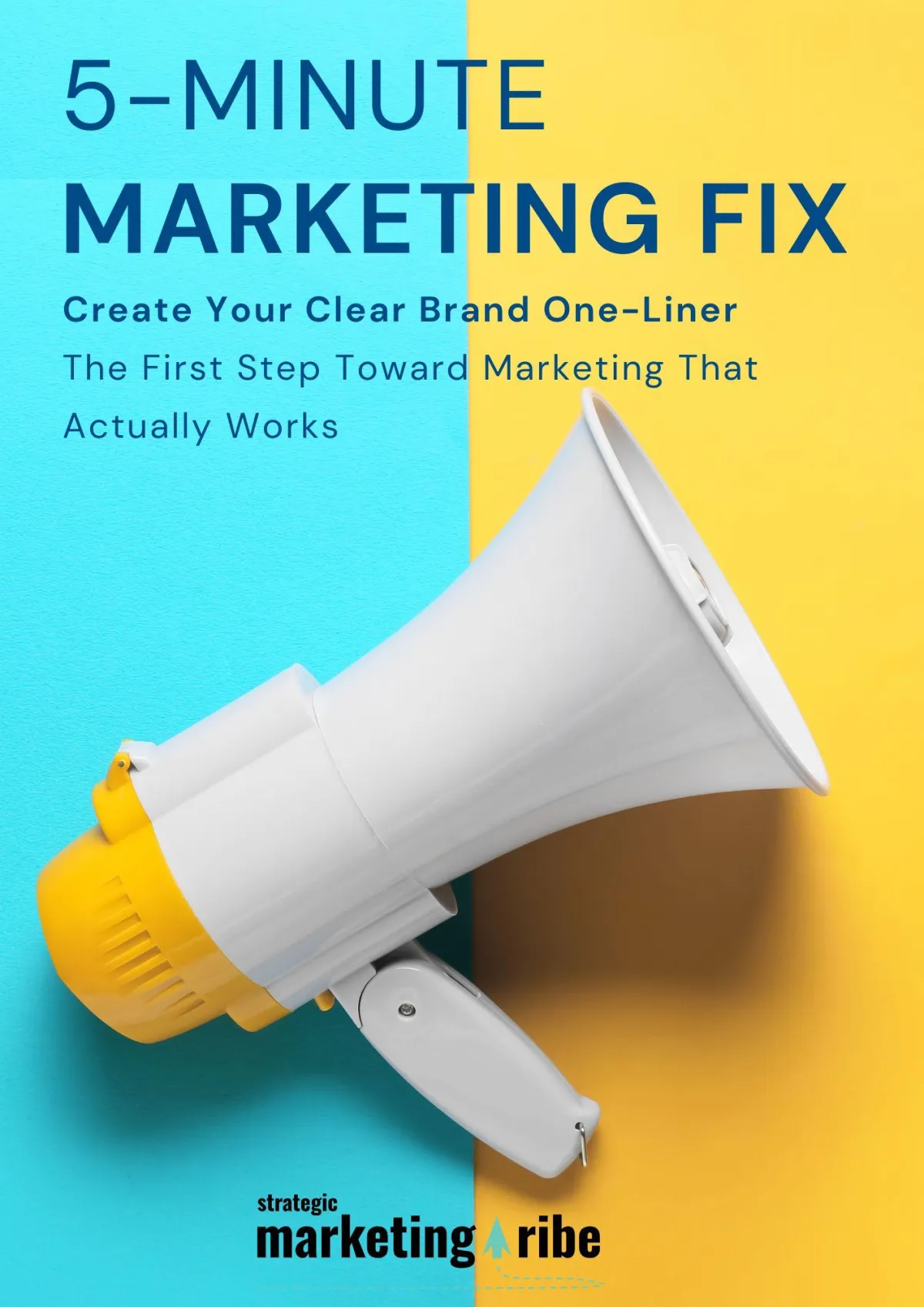
👉 Need help getting your message right? Download the 5-Minute Marketing Fix.
Table of Contents:
Shadow AI Risk Is Growing Fast
Why Invisibility Is the Real Threat:
The Small Business Blind Spot:
Practical Steps Without the Drama:
1. AI Strategy Risks: What Executives Keep Missing
2. Small Businesses Are Being Targeted—Here’s What Cybersecurity Stats Say in 2025
4. AI Fraud Crisis Warning—What Small Biz Must Do Now
5. Why You Can't Trust ChatGPT, Perplexity or Other AI For Legal Advice
Frequently Asked Questions About Shadow AI and Small Business Risk
1. What is shadow AI in simple terms?
2. Is it illegal for employees to use AI tools like ChatGPT at work?
3. How can AI tools expose my small business to cyber attacks?
4. What kind of data should never be uploaded into public AI tools?
5. How do I know if my team is using shadow AI?
6. What is an AI use policy and do I really need one?
7. Can small businesses realistically manage AI risk without a security team?
8. Should I stop using AI altogether to stay safe?
9. What is the first practical step I should take this week?
Before we panic and unplug the WiFi, let us break this down in plain English.
What Is Shadow AI, Really?
Shadow AI sounds dramatic, but the idea is simple. It refers to artificial intelligence systems operating without formal approval, security checks, or clear rules.
That could be a team member pasting client information into a public AI tool to write a proposal. It could be a marketing assistant using an AI design feature inside a software platform without realizing where the data goes. It could even be a new software update that quietly switches on an AI feature you did not know existed.
In larger companies, security teams call these tools prohibited AI applications. That does not mean they are illegal. It means they have not been properly assessed for business use.
For small service businesses, the risk is often less about dramatic cyber warfare and more about accidental exposure. A client database uploaded into the wrong tool. Sensitive pricing copied into a public system. Internal documents stored in places you did not intend.
The problem is not that AI exists. The problem is that it operates invisibly.
Why Invisibility Is the Real Threat:
"Cyber resilience" is a fancy term that simply means your business can withstand digital attacks and disruptions. In the past, most digital threats involved human hackers typing away in dark rooms. Now, machines are doing much of the work.
AI-driven phishing campaigns adapt faster than humans can respond. Malware, which is harmful software designed to damage systems, can now be generated and reshaped continuously. Self-learning agents scan cloud systems for weak identity controls, looking for a way in.
That sounds like a plot from a streaming series, but it is happening now.
The research cited in the article notes that 69 percent of organizations suspect or have evidence of employees using prohibited AI tools. It also predicts that by 2030, more than 40 percent of enterprises will experience security or compliance incidents linked to unauthorized shadow AI.
Compliance simply means following rules, whether legal, contractual, or industry-specific. When AI tools operate outside policy and oversight, businesses may unknowingly break those rules.
For a small business owner, that could translate into data protection fines, broken client trust, or contractual disputes. None of those look good on a Tuesday morning.
The Small Business Blind Spot:
Here is where I see the pattern. Most small businesses do not set out to ignore governance. They are simply busy. When a tool saves time, it gets adopted. When it writes a better email, it gets used again. Before long, it becomes part of daily operations without anyone stepping back to ask where the information is going.
As a StoryBrand Certified Guide and Duct Tape Marketing Consultant, I spend my days helping businesses simplify their message and systems. Clarity is protective. Confusion is expensive. The same principle applies here.
If you do not know which AI tools your team is using, you cannot manage the risk. If you do not have a simple policy that says what is allowed and what is not, behavior will fill the gap.
Practical Steps Without the Drama:
You do not need a global security department to respond sensibly. You need visibility and clear boundaries.
Start with a conversation. Ask your team which AI tools they are using and how. Make it safe for them to answer honestly. If people fear punishment, they will hide behavior, which defeats the point.
Next, decide what data can never be uploaded to public systems. Client contracts, personal information, financial records, and proprietary processes should stay inside secure, approved environments.
Then review your software stack. Many SaaS platforms now include AI features by default. Understand what is switched on and what permissions it has.
Finally, document a simple AI use policy. It does not need to be twenty pages. It needs to be clear.
The goal is not to eliminate innovation. It is to make it visible.
Innovation Needs Oversight:
AI can absolutely make your marketing smarter and your operations leaner. I use it myself as a thinking partner, a draft assistant, and a research shortcut. The difference is that I know where the boundaries are.
If your organization is using AI, officially or unofficially, now is the time to take visibility seriously. You cannot protect what you cannot see, and you cannot govern what you pretend is not happening.
Clarity in messaging builds trust with customers. Clarity in systems protects your business behind the scenes. Both matter.
If you want to start with the front-facing side of that equation, download the 5-Minute Marketing Fix. It will help you articulate exactly what you do and why it matters in one clear sentence.
Related Articles:
1. AI Strategy Risks: What Executives Keep Missing
If shadow AI feels like a ground level problem, this article zooms out to show how rushed AI decisions at leadership level create legal, ethical and brand risk. It helps you see how small daily shortcuts often start with unclear strategy at the top.
2. Small Businesses Are Being Targeted—Here’s What Cybersecurity Stats Say in 2025
This piece backs up the warning with real numbers, showing how often small businesses are being attacked and which scams are growing fastest. It turns abstract AI risk into concrete scenarios you can actually prepare for.
3. AI, Cybersecurity & Social Media Now Drive Small Business Growth—New 2025 Report Reveals Key Shifts
While the shadow AI article focuses on hidden risk, this one shows just how mainstream AI adoption has become. It balances caution with opportunity and explains why clear guardrails now matter more than ever.
4. AI Fraud Crisis Warning—What Small Biz Must Do Now
Here the spotlight shifts to external threats like voice cloning and impersonation scams. Read this next if you want the full picture of how AI can expose your business from both the inside and the outside.
5. Why You Can't Trust ChatGPT, Perplexity or Other AI For Legal Advice
If compliance risk caught your attention, this article dives into one of the most common and dangerous uses of AI in small business. It shows how everyday habits like asking AI for contracts or legal opinions can quietly create serious liability.
Frequently Asked Questions About Shadow AI and Small Business Risk
1. What is shadow AI in simple terms?
Shadow AI is any artificial intelligence tool being used in your business without formal approval or oversight. That could be an employee using ChatGPT for client work, an AI feature switched on inside your software, or a tool connected to company data without clear rules. If no one has reviewed it or set boundaries, it counts as shadow AI.
2. Is it illegal for employees to use AI tools like ChatGPT at work?
Not automatically. The issue is not legality but governance. If employees upload client data or sensitive information into public AI platforms without approval, it can create privacy, contractual or compliance problems. The risk comes from how the tool is used, not just from using it.
3. How can AI tools expose my small business to cyber attacks?
AI tools can increase risk if they connect to sensitive systems or store data in ways you do not control. Attackers also use AI to create more convincing phishing emails, fake invoices and impersonation scams. When AI systems or non human accounts are not properly monitored, they can become entry points for breaches.
4. What kind of data should never be uploaded into public AI tools?
Client personal information, financial records, contracts, proprietary processes, pricing models and internal strategy documents should stay out of public AI systems unless you have verified secure, approved environments. If you would not post it on social media, do not paste it into an unapproved AI tool.
5. How do I know if my team is using shadow AI?
Start by asking. Many business owners assume they would know, but usage often grows quietly. Have an open conversation about which tools are being used and for what purpose. Review your software subscriptions and check whether AI features are enabled by default.
6. What is an AI use policy and do I really need one?
An AI use policy is a simple document that explains which tools are allowed, what data can be used, and what is off limits. Even a short, clear policy helps set expectations and reduces confusion. Without it, people make their own rules, and that is where risk increases.
7. Can small businesses realistically manage AI risk without a security team?
Yes, if the focus is on visibility and clarity rather than complexity. You do not need a large department. You need awareness of which tools are in use, basic rules about sensitive data, and regular review of permissions and access levels.
8. Should I stop using AI altogether to stay safe?
No. AI can improve productivity, marketing and customer support when used responsibly. The goal is not elimination but oversight. When tools are visible, approved and governed, they become assets instead of hidden liabilities.
9. What is the first practical step I should take this week?
Schedule a short internal review. Ask your team which AI tools they use, how they use them, and what data they share. From there, decide on clear boundaries and document them. Even one structured conversation can reduce invisible risk significantly.

Is your Marketing Message so confusing even your own mom doesn’t get it? Let's clarify your message—so everyone wants to work with you!




Created with clarity (and coffee)