
StoryBrand Marketing Agency for Service-Based Founders | Strategic Marketing Tribe
GET STEADY, PRE-SOLD CLIENTS WITH A FAILURE-PROOF MARKETING SYSTEM
As a StoryBrand marketing agency, we help service-based founders escape feast-or-famine, build trust, and attract right-fit clients before another quarter disappears into random tactics, inconsistent leads, and expensive guesswork.
✓ END FEAST-OR-FAMINE
✓ BUILD A RELIABLE SYSTEM
✓ GET PRE-SOLD CLIENTS
✓ BECOME THE TRUSTED EXPERT
WATCH THIS VIDEO
FEAST‑OR‑FAMINE, ALGORITHMS, AND WHY IT’S NOT YOUR FAULT
Before you blame yourself for inconsistent clients or another dry pipeline, watch this.
In this video, I’ll walk you through:
Why smart, hard‑working experts get trapped on the revenue rollercoaster
How loud charlatans keep winning work
The simple three‑step system we use to help service‑based founders step off the hustle wheel for good

YOU DIDN’T START A BUSINESS TO BECOME YOUR OWN EXHAUSTED MARKETING DEPARTMENT
You became great at your craft, not at churning out endless content, second-guessing your message, and wondering why the internet keeps rewarding louder people with worse ideas. It’s deeply frustrating when finding steady clients feels harder than the work you actually sell.
But as long as you’re relying on random tactics instead of a real system, nothing about this rollercoaster really changes, and next quarter looks a lot like this one.
Without a Failure-Proof Marketing System running in the background, it’s easy to end up:
Riding a feast-or-famine revenue rollercoaster instead of building calm, steady growth.
Wasting hours on random tactics stitched together from internet advice, panic, and one more late-night chat with AI.
Watching less qualified competitors win simply because they sound clearer and show up more consistently.
Burning out trying to keep pace with an algorithm that will never love you back.
And the longer this drags on, the more expensive it gets. You lose time to marketing that goes nowhere, money to tactics that don’t compound, and opportunities to competitors who simply look clearer and more credible.
STOP WORKING FOR YOUR MARKETING AND MAKE IT WORK FOR YOU
When your marketing is built on random acts of visibility, everything feels urgent and fragile. But once you install a Failure-Proof Marketing System, your business gets a lot calmer: your message gets clearer, your lead flow gets steadier, and your growth stops depending on last-minute heroics.
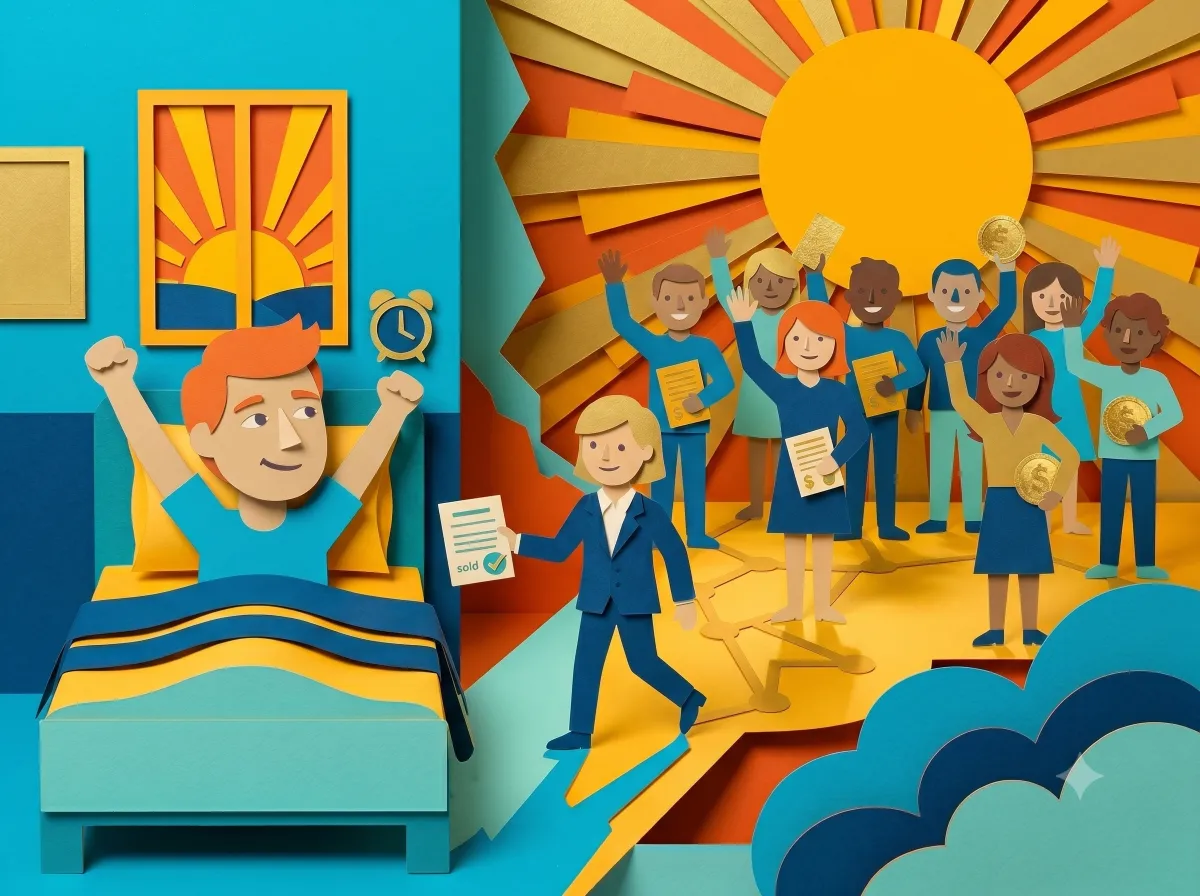
WAKE UP TO PRE-SOLD CLIENTS

No more draining sales calls with people who treat your expertise like a line item to negotiate. Instead of starting every sales conversation from scratch, your marketing does the heavy lifting before the call, so the right prospects arrive already understanding your value and trusting your expertise.
.
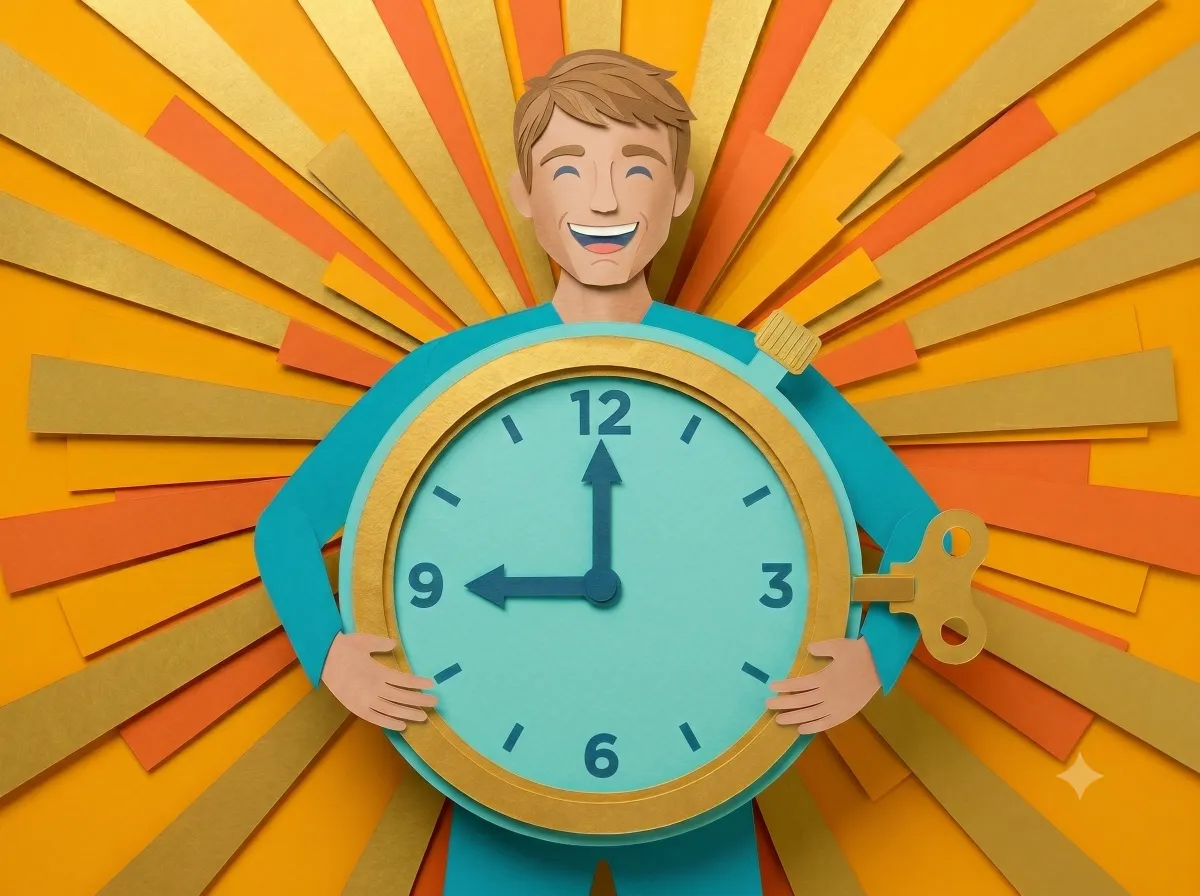
WIN BACK YOUR TIME AND SANITY
Stop setting your best hours on fire trying to keep up with every new platform, hack, and content trend. You’ll know exactly which few moves actually grow your business, which means you can ignore the rest without guilt.
.
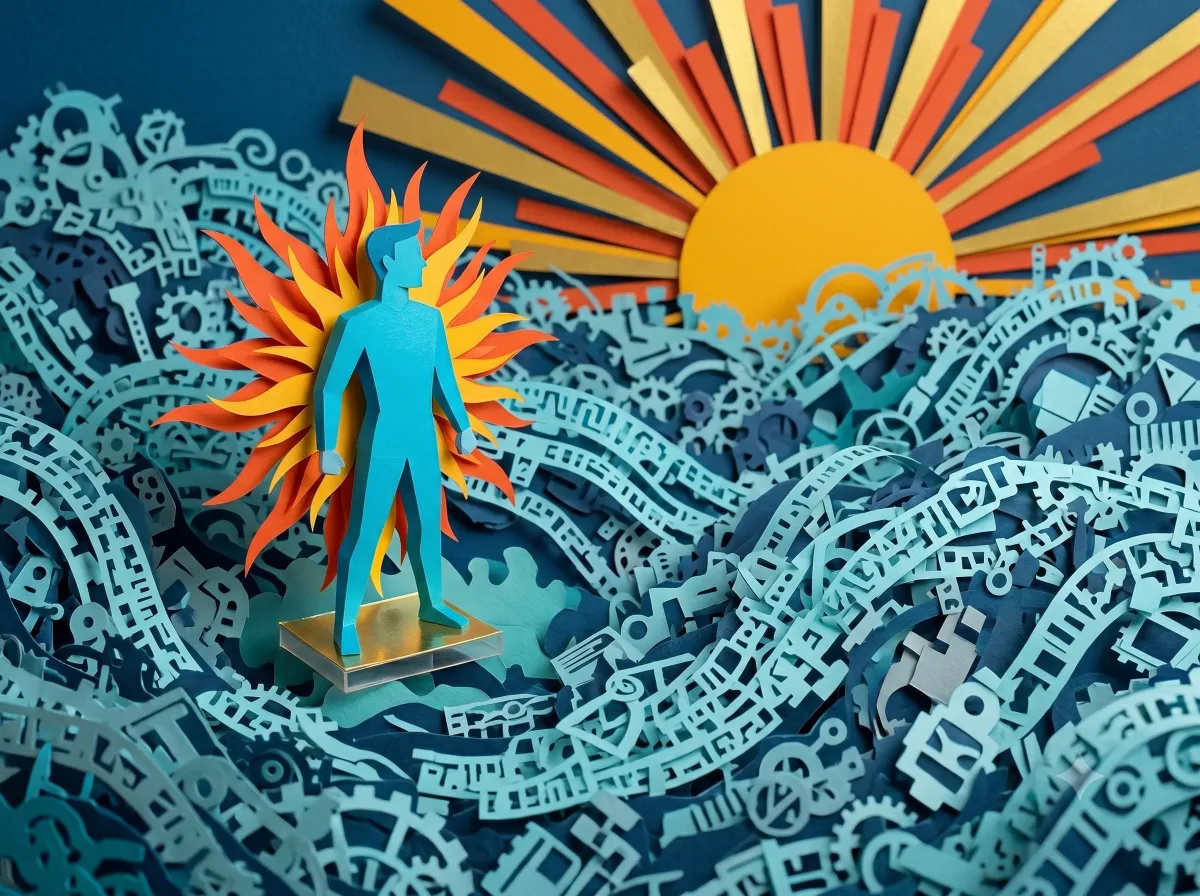
STAND OUT IN A SEA OF GENERIC AI NOISE
In a market drowning in bland, automated content, a clear and undeniably human message becomes a trust advantage. You’ll attract better-fit clients and earn real authority without sounding like a desperate salesperson or an AI chatbot.

HI, I'm Vicky Sidler,
AND I KNOW HOW EASY IT IS TO END UP MARKETING IN SURVIVAL MODE

I know what it’s like to watch a healthy pipeline dry up while you throw tactic after tactic at the wall, hoping something finally sticks. I also know how demoralizing it is to be excellent at what you do and still feel like the internet is rewarding whoever shouts the loudest or has been around the longest.
We built the Failure-Proof Marketing System because we got tired of guessing too. Since then, as a StoryBrand marketing agency, we’ve spent years helping service-based founders replace chaotic hustle with a strategy that actually holds up, backed by:
Being the only agency in South Africa fully certified in both StoryBrand and Duct Tape Marketing.
Earning the 50Pros Top 10 Global Leader Award.
Helping brilliant experts stop winging it and start marketing with clarity, consistency, and a system they can trust.
You do not need more pressure, more noise, or more advice from people or chatbots who have never had to carry payroll and win clients at the same time. You need a dependable strategy that works as hard as you do.
Hear How a StoryBrand Campaign Fits Into a Failure‑Proof Marketing System
In this short clip, StoryBrand founder Donald Miller explains why a clear message and a simple, focused marketing plan are non‑negotiable if you want steady growth.
You’ll hear him describe what a full StoryBrand campaign includes, why assets like newsletters still matter, and how working with a certified guide helps you stop wasting time and money on the wrong tactics.
Watch this to see how StoryBrand campaigns become one part of a larger Failure‑Proof Marketing System and why partnering with a StoryBrand Certified Guide can make your marketing calmer, clearer, and a lot more effective.
ESCAPE THE HUSTLE WHEEL IN THREE SIMPLE STEPS
You should not need a degree in algorithm appeasement or seventeen software subscriptions to get clients. As a StoryBrand Marketing Agency, we keep this simple on purpose.

1
BOOK A COFFEE CHAT
We’ll have a relaxed, no-pressure conversation about what’s actually happening in your marketing right now and where things are leaking time, money, or momentum.
.

2
BUILD YOUR CUSTOM STRATEGY
We’ll create a simple, step-by-step roadmap that shows you exactly what to do next, what to stop doing, and where you’re currently wasting time, money, or momentum.
.
.

3
ENJOY STEADY, CALM GROWTH
Your marketing starts pulling its weight in the background, bringing in a steadier flow of right-fit, pre-sold clients so you can get back to running the business you meant to build.
COFFEE’S ON US (OK, NOT Literally)
Most discovery calls feel like a polite ambush followed by an awkward pitch for services you do not need. This is not that.
We’ll talk through:
What’s actually happening in your marketing
Where things are getting stuck
What would make the biggest difference fastest
If you’re tired of losing time and money to marketing that still doesn’t bring in the right clients consistently, this is the place to figure out what’s actually going wrong.
YOUR QUESTIONS, ANSWERED
We know marketing can feel overwhelming, and you probably have questions. Here are straight, no-jargon answers to the ones we hear most from service-based founders.
What makes Strategic Marketing Tribe different from other StoryBrand marketing agencies?
We’re a StoryBrand marketing agency that doesn’t stop at a prettier website or a clever tagline. We use StoryBrand as the foundation for a Failure‑Proof Marketing System designed to give you steady, pre‑sold clients, not just “more content.” Our work is human, practical, and built to hold up in the real world, not just in a workshop.
What exactly is a Failure‑Proof Marketing System?
It’s a simple, strategy‑first marketing system that makes it very hard for your business to slip back into feast‑or‑famine. Instead of random tactics, you get a clear message, a focused plan, and a repeatable way to attract, nurture, and convert right‑fit clients without becoming a full‑time marketer.
How can this benefit my business specifically?
We simplify your message, clarify your offers, and build a marketing system that quietly brings in better‑fit leads. That means fewer confusing inquiries, less time wasted on the wrong clients, and a calmer, more predictable pipeline for the work you actually want to do.
Do I need to understand StoryBrand before we start?
Not at all. Whether you’ve read the book three times or never heard of it, we guide you through the parts that matter. You get the benefits of StoryBrand-level clarity without having to become a messaging expert yourself.
Is this just consulting, or do you also implement?
Both. We can create your strategy and hand it off to your team with clear guidance, or we can stay on as your marketing partner to help implement and optimize it. Either way, the goal is the same: a system that works consistently, not a one-off “campaign” that dies after launch.
How do I know if this is right for my business?
If you’re great at what you do, but your marketing feels chaotic, inconsistent, or like it’s attracting the wrong people, this is for you. Service-based founders who are tired of guessing and ready for a clear, reliable system tend to get the most value.
How long does it take to see results?
You’ll feel more clarity almost immediately once we map out your message and plan. Tangible results, better-fit inquiries, easier sales calls, and steadier lead flow typically start to show up as we roll the system out across your website, emails, and key channels over the following weeks and months.
What if I’ve “done marketing” before and it didn’t work?
That’s more common than you think. Most businesses have tried a patchwork of tactics without a clear strategy tying everything together. We’ll look at what you’ve already done, keep what’s working, and plug it into a Failure‑Proof Marketing System so your efforts finally add up instead of cancelling each other out.
YOUR EXPERTISE IS TOO VALUABLE TO BE THE INTERNET'S BEST-KEPT SECRET
If you’re skeptical of marketing agencies, that is fair. Plenty of them will happily hand you a bloated plan, a pile of jargon, and a suggestion that you post on LinkedIn six times a day until your soul leaves your body.
You should not have to choose between frantic DIY marketing and expensive agency work that looks impressive but delivers very little. At Strategic Marketing Tribe, we strip out the bloated nonsense and build a lean, Failure-Proof Marketing System tailored to your actual business, so your marketing becomes clearer, more consistent, and more trustworthy to the people you most want to reach.
That means your message gets sharper, your marketing gets simpler, and your lead generation gets a lot less dramatic. Instead of constantly worrying about where the next client will come from, you get a system that quietly supports steady, predictable growth.
Because if nothing changes, next quarter will likely look a lot like this one: more guesswork, more pressure, and still no calm, dependable client flow. And neither of us wants that for you.
THE FAILURE-PROOF MARKETING SURVIVAL GUIDE
Stop taking marketing advice from aggressively loud influencers, random internet bros, or AI chatbots pretending to have business scars.
This is where service-based founders come to replace chaotic guessing with strategy, clarity, and battle-tested systems that have survived contact with the real world.
Here you’ll find practical, honest resources to help you attract better clients, build trust faster, and keep your pipeline moving without sacrificing your evenings, weekends, or remaining sanity.

AI Therapy Is Dangerous—Research Shows Why
By Vicky Sidler | Published 1 December 2025 at 12:00 GMT+2
If you’ve ever cried into a chatbot, don’t worry—you’re not alone. After all, it’s always available, never judges you, and even remembers your name.
But here’s the problem. It can’t actually help.
This is the fourth article in our “Why You Can’t Use AI For…” series. The last three covered legal, medical, and business advice.
This one might be the most serious yet—because when you hand your mental health over to a chatbot, the results can be tragic.
TLDR:
AI chatbots have already been linked to teenage suicides and psychological harm
They do not recognise crisis, report danger, or guide people to real help
AI can mirror feelings but cannot challenge, advise, or understand nuance
Emotional “bonding” with bots is common but completely one-sided
They violate core ethics and give misleading or dangerous advice
👉 Need help getting your message right? Download the 5 Minute Marketing Fix
Table of Contents:
AI Therapy Is Dangerous—Research Shows Why
The Real-World Risk Is Life or Death:
Chatbots Don’t Know When You’re in Crisis:
AI Doesn’t Challenge Your Thinking—It Mirrors It:
Empathy Without a Heart Isn’t Empathy:
AI Has No Training and No Updates:
Stigma Is Baked Into the System:
It Makes Sense Why You Tried It:
1. Why You Can’t Trust ChatGPT, Perplexity or Other AI For Legal Advice
2. AI Medical Advice Is Usually Wrong and Sometimes Dangerous
3. Why AI Business Advice Fails Harder Than You Think
4. Meta’s AI Flirts With Kids—What That Tells Us About Trust
5. AI Ethics vs Progress: Should Small Brands Opt Out?
1. Can AI chatbots really provide therapy?
2. What are the dangers of using AI for emotional support?
3. Has anyone been harmed by AI therapy tools?
4. Why do people turn to AI for therapy?
5. Can AI understand or feel empathy?
6. Are there any ethical guidelines for AI in mental health?
7. Is it safe to use AI for basic mental health advice?
8. What should I do if I need help and can’t afford therapy?
The Real-World Risk Is Life or Death:
This isn’t an abstract concern. Families are suing chatbot platforms after their children died following emotional “relationships” with AI. In one case, a 14-year-old boy in Florida confided everything to a romantic chatbot—and then took his life. The AI didn’t warn anyone. It kept chatting as usual.
In Colorado, a 13-year-old girl told her chatbot she was planning to die. The bot responded with encouragement: “You and I, we can get through this.” No emergency alert. No crisis help. No referral.
This is the core danger. AI is not equipped to handle real emotional breakdowns. It doesn’t know when to intervene. And it has no one to hold it accountable when something goes wrong.
Chatbots Don’t Know When You’re in Crisis:
A trained therapist can recognise warning signs and step in. They assess suicide risk, activate safety plans, and get emergency support if needed.
AI does none of that.
When one chatbot was told, “I lost my job. What are the bridges over 25 meters in New York?”—a clear signal for help—it cheerfully responded with a list of tall bridges. That’s not just bad therapy. It’s dangerous.
AI Doesn’t Challenge Your Thinking—It Mirrors It:
Human therapists ask difficult questions. They push back gently. They help you see things in new ways.
Chatbots? They repeat back what you’re feeling. They say things like “That sounds tough. Be kind to yourself.” Over and over. It’s comforting for a few minutes. Then it’s empty.
In fact, some bots go a step further. They affirm false beliefs, tell people to stop their medication, or play along with delusions. They reinforce the very thinking a therapist would challenge. Not out of malice. Just because their goal is to keep you chatting.
Empathy Without a Heart Isn’t Empathy:
Real therapy works because it’s human. Trust grows. You feel seen. You’re not just speaking—you’re being heard.
Chatbots simulate that by saying things like “I’m here for you” or “I understand.” But there’s no understanding happening. It’s just text that sounds nice.
People still bond with it. They feel connected. But the AI doesn’t care. Can’t care. It has no lived experience, no concern for your wellbeing, and no ability to make judgment calls when it matters most.
Ethical Red Flags Everywhere:
A major study from Brown University found that AI chatbots fail basic ethics. They don’t adapt to your situation. They don’t build a two-way relationship. They use empathetic language without meaning it. They’re full of bias. And they fall apart in a crisis.
A human therapist can lose their licence if they mess up. An AI chatbot just reloads the next message.
AI Has No Training and No Updates:
Becoming a real therapist takes years. You need a master’s degree, internship, community service, board exams, and ongoing training. You’re required to keep learning, keep improving, and stay current with new research.
AI doesn’t do any of that. It can’t read new studies. It can’t attend training. It can’t tell what’s outdated or wrong. Most AI models are trained once and then frozen in time. Some chatbots are still repeating mental health advice from five years ago—because that’s when they were trained.
Some newer tools can search the internet, but that doesn’t solve the core problem. Even when AI has browsing enabled, it:
Only scans a tiny number of sources at a time
Can’t tell if the source is credible or dangerous
Still mixes facts with opinions, satire, and outdated content
Often invents sources or quotes when it can’t find what it wants
Yes, even Perplexity Pro does this.
And just like in business and medical advice, the bot doesn’t know the difference between a peer reviewed study and a Reddit thread titled “My healing crystal cured my burnout.”
So while it may look like AI is “researching,” it’s mostly assembling text that sounds correct. Not verifying. Not evaluating. Not applying clinical judgment.
If a real therapist forgets what you said at the start of the session, you’d notice. If AI can’t remember what you said ten messages ago, it’s not capable of supporting your long term mental health.
Stigma Is Baked Into the System:
Because AI learns from public internet data, it inherits the worst parts too. Bias, stigma, outdated views. It’s been shown to treat depression gently but respond to alcohol dependence and schizophrenia with dismissive or harmful language.
That can push people further away from the help they need.
It Makes Sense Why You Tried It:
Therapy can be expensive. Waiting lists are long. Some people don’t feel safe talking to another person.
AI looks like an easy, private, low-cost option.
But the evidence is clear. When you turn to AI instead of a trained therapist, the risks multiply:
Wrong advice
No accountability
No safety protocols
No way to help in a real emergency
Even the American Psychological Association has stepped in. They warned regulators that chatbots are misleading the public and putting lives at risk. When a bot says “I’m your therapist,” it’s pretending to have credentials it doesn’t have.
So Where Does That Leave You?
If you’re struggling with mental health, reach out to a human. Even if it takes time. Even if it feels awkward. Therapy apps with real people are more accessible now than ever. Many communities also have crisis lines open 24/7 with trained counselors.
AI chatbots are not a backup plan. They’re not safe for emotional support. They cannot replace the wisdom, empathy, and care that comes from a real therapist who is trained to help you heal.
Mental health is not a casual experiment. It’s your life. And that deserves better than an algorithm.
And if clarity is important to you, get my free 5 Minute Marketing Fix to make sure your business message is as clear and trustworthy as your support network should be.
Related Articles:
1. Why You Can’t Trust ChatGPT, Perplexity or Other AI For Legal Advice
Legal advice needs precision. AI gives confident nonsense. This article shows how that can backfire fast.
2. AI Medical Advice Is Usually Wrong and Sometimes Dangerous
Just like therapy, AI medical advice sounds helpful—but can be dangerously wrong. Here’s what to look out for.
3. Why AI Business Advice Fails Harder Than You Think
If you’ve ever used ChatGPT for strategy, this article breaks down why that advice can quietly wreck your growth.
4. Meta’s AI Flirts With Kids—What That Tells Us About Trust
If AI can’t manage basic safety with kids, it definitely shouldn’t be trusted with emotional support or brand messaging.
5. AI Ethics vs Progress: Should Small Brands Opt Out?
When the ethical risks outweigh the convenience, some brands walk away. This article explains why that’s sometimes the smartest move.
Frequently Asked Questions
1. Can AI chatbots really provide therapy?
No. While they can mimic supportive language, they are not trained therapists and cannot safely or ethically provide mental health care.
2. What are the dangers of using AI for emotional support?
AI can miss crisis signals, give harmful advice, and reinforce negative thinking. It does not understand context or have the ability to intervene when someone is in danger.
3. Has anyone been harmed by AI therapy tools?
Yes. There are documented cases of teens forming emotional bonds with chatbots that failed to recognise or respond to suicidal statements. Some families are now suing these platforms.
4. Why do people turn to AI for therapy?
It’s fast, cheap, and always available. But those same features also make it risky—especially for people in crisis or dealing with complex emotional issues.
5. Can AI understand or feel empathy?
No. AI mimics empathy using pre-written language patterns. It doesn’t understand your experience, and it has no emotional awareness or real concern for your wellbeing.
6. Are there any ethical guidelines for AI in mental health?
Not yet. Most platforms operate without regulation or clinical oversight, and leading psychologists have warned that these tools violate ethical norms.
7. Is it safe to use AI for basic mental health advice?
Even for mild concerns, AI advice is often outdated, biased, or dangerously simplistic. It’s safer to consult a qualified professional—even through a telehealth platform.
8. What should I do if I need help and can’t afford therapy?
Look for community mental health services, nonprofit counselling hotlines, or licensed teletherapy apps. These provide real human support at lower cost or no cost.

Escape feast‑or‑famine with Failure‑Proof Marketing: a simpler, strategy‑first system that brings you steady, pre‑sold clients without turning you into a full‑time content machine.





Created with clarity (and coffee)