StoryBrand Marketing Agency
Is Your Marketing Message So Confusing Even Your Own Mom Doesn’t Get It?
We're an award-winning StoryBrand Marketing Agency that helps Service Businesses clarify their messaging so everyone wants to work with you!
✓ Build trust and authority in your industry
✓ Connect with CLIENTS WHO ACTUALLY GET IT
✓ MARKETING THAT FEELS NATURAL
WATCH THIS VIDEO
If your message isn’t landing—and the right clients aren’t showing up—it’s not your fault. Most service business owners are great at what they do. They just struggle to talk about it clearly.
In this video, I’ll walk you through how we fix that using the StoryBrand Framework, plus how to get started with either DIY or done-for-you options.

WHAT HAPPENS WHEN YOUR MESSAGE ISN’T CLEAR
Can your mom explain what you do?
Can you easily explain what you do?
Can anyone?
If not, that's the problem we fix.
Because when people don’t understand what you do, they move on. You end up working harder just to stay in the game.
You’re always re-explaining yourself
Your website doesn’t convert visitors into clients
Your leads aren’t the right fit
Referrals become scarce
Marketing is frustrating as all hell
But it doesn’t have to be this way. A clear message makes all of that easier. It’s the difference between chasing leads—and attracting the right ones.
You might not believe it yet, but marketing can actually be the opposite of frustrating when you're doing it right.
MAKE YOUR MARKETING Simpler
Whether you want to learn the system or hand it over completely, the goal is the same: clear messaging that brings in better clients with less effort.

A DIY SYSTEM THAT’S SIMPLE TO FOLLOW

for weekly group coaching, templates, and a proven system that fits seamlessly into your week—without taking over your life.
.

COACHING THAT MEETS YOU WHERE YOU ARE
Want someone to walk you through it? Get 1:1 or team coaching to clarify your message and apply the StoryBrand Framework to your business in real time.
.

DONE-FOR-YOU MARKETING
Too busy to do it yourself? We’ll build your messaging, write your copy, create the assets you need, and handle your StoryBrand marketing—so you can stay focused on running your business.
HI, I'm Vicky Sidler
And I’VE BEEN WHERE YOU ARE

I know how it feels to stare at your marketing and think, “Why isn’t this working?” That's why I created a StoryBrand Marketing Agency.
All in all, your business isn’t just another brick in the wall—it’s something special. Your story matters, and I’m here to help you share it in a way that feels real, connects with people, and gets results.
As a certified StoryBrand Guide, I specialize in turning complicated ideas into clear, compelling messages that resonate with your audience.
With a background in journalism, I’ve spent decades telling stories that matter and crafting content people want to read.
I’ve developed a proven system to help businesses like yours cut through all the AI trash that's out there and build genuine connections with their audience.
Your story isn’t just important—it’s the reason people will choose your business. Let’s make sure it’s heard loud and clear by the people who need it most.
And sorry if I got Pink Floyd stuck in your head just now...
Hear Directly from DONALD MILLER
In this short clip, StoryBrand’s founder Donald Miller explains why clear messaging and a simple marketing plan change everything.
Donald shares why newsletters are back, what a full StoryBrand campaign includes, and how a certified guide helps you focus on what actually works—without wasting money or time.
Watch to see how working with a StoryBrand Certified Guide can make a measurable difference for your business.
EVERYTHING STORYBRAND, ALL IN ONE PLACE
Whether you need help with strategy, websites, content, or SEO, I offer the full range of StoryBrand marketing services—done with you or done for you.
StoryBrand Framework
StoryBrand Wireframe
StoryBrand Websites
StoryBrand SEO
StoryBrand Video
StoryBrand Copywriting
StoryBrand Email Sequences
StoryBrand Marketing Funnels
StoryBrand Workshops
StoryBrand Consulting
StoryBrand PPC
StoryBrand Lead Generation
StoryBrand
Social Media
StoryBrand Strategy
StoryBrand Content Marketing
StoryBrand Local Service
StoryBrand Coaching
MARKETING THAT DOESN’T TAKE OVER YOUR LIFE
Whether you want to build it yourself or hand it off completely, as a StoryBrand Marketing Agency, we’ll give you a clear message and a simple system that actually works.

1
BOOK A COFFEE CHAT
This is a no-pressure, non-sales call where we discuss what’s working, what’s not, and where you want to go.
.
2
CHOOSE YOUR PATH
Get hands-on support through the StoryBrand Course, 1:1 or team coaching, or let me build the entire marketing system for you—messaging, website, emails, and more.
.
.

3
FIX YOUR MARKETING
Walk away with a message that resonates, a plan that’s easy to follow, and marketing that works while you sleep and finally delivers results.
COFFEE’S ON ME (OK, NOT REALLY)
But I'm serious about helping you connect with your audience. Let’s grab a coffee (on Zoom) and chat about your marketing goals.
Wondering how to simplify your message? Let’s talk.
Ready to stand out in an AI-saturated world? I’ve got ideas.
Just need clarity? I’ll help you see the big picture.
This isn’t a sales call—just a friendly, low-pressure chat. At the very least, you’ll walk away with some cool ideas you can try on your own.
SCHEDULE YOUR COFFEE CHAT WITH ME (VICKY) TODAY
FIXING YOUR MARKETING SHOULDN’T FEEL IMPOSSIBLE
Most small business owners aren’t marketers—they just want to explain what they do in a way that makes people care.
But when the message isn’t clear, everything else gets harder: websites don’t convert, leads go cold, and social posts fall flat.
You might worry that getting it right will take too much time, cost too much money, or feel like just another online course you’ll never finish.
That’s why I offer three simple paths: do-it-together support through the StoryBrand Course, 1:1 and team coaching, or done-for-you services where I build your full funnel myself.
You’ll get clear messaging, practical templates, and real support—so your marketing finally works and your business actually grows.
YOUR QUESTIONS, ANSWERED
We know marketing can feel overwhelming, and you probably have questions. That’s why we’ve put together answers to the things people ask us most.
What makes Strategic Marketing Tribe different from other StoryBrand marketing agencies?
We’re the StoryBrand marketing agency that skips the boring "corporate speak." We blend the power of StoryBrand with strategic marketing solutions to craft content that feels human, genuine, and impossible to ignore.
How can your strategic marketing solutions benefit my business?
Our strategic marketing solutions simplify your message, clarify your brand story, and help you connect with your ideal customers. It’s marketing that makes sense and gets results – no jargon, no gimmicks, just growth.
What is StoryBrand, and why does it matter?
Think of StoryBrand as a cheat sheet for marketing clarity. It helps you explain what you do in a way that makes people stop, listen, and say, “Oh, I get it.” We use it to create marketing that feels human and that your audience will actually enjoy reading.
Do I need to be familiar with StoryBrand to work with you?
Not at all! Whether you’re a StoryBrand superfan (like us!) or have no idea what it is, we’ll walk you through everything. We’re here to make the process simple, clear, and (dare we say) fun.
How do I know if this is right for my business?
If people keep saying “I don’t really get what you do,” or you’re getting the wrong kind of leads, it’s a sign your message needs work. That’s what we fix.
What if I don’t have time to take a course?
The course is built for time-strapped business owners. You get short lessons, plug-and-play templates, and live support so you’re never stuck or overwhelmed.
What’s the difference between the course and the done-for-you service?
The course gives you training, tools, and weekly support so you can do it yourself. The done-for-you option means I build your whole funnel for you.
How long does it take to see results?
Most people see clearer messaging and better engagement within a week of applying the one-liner. Bigger results (like leads and conversions) follow as you apply it across your marketing.
What if I’ve already tried StoryBrand and it didn’t work?
Many people try to apply StoryBrand on their own and miss key parts. This course walks you through it step-by-step, with real examples and live feedback from a Certified Guide.
STORY, MEET STRATEGY
Let’s make marketing feel less robotic and more real. Find resources from a StoryBrand Marketing Agency that bring your message—and your business—to life.
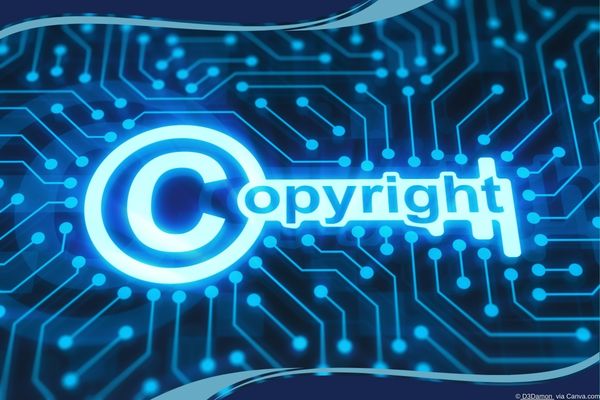
Sora’s AI Copyright Problem Is Bigger Than OpenAI Admits
By Vicky Sidler | Published 10 December 2025 at 12:00 GMT+2
You’d think one of the richest AI companies on the planet could keep Pikachu from shoplifting. Apparently not.
In November, 404 Media tested OpenAI’s shiny new video tool, Sora 2. The idea was to see whether it could follow basic copyright rules. You know, like not generating bootleg episodes of Family Guy or giving cartoon characters a criminal record.
Spoiler: it can’t. And the reason why is uncomfortably simple. Sora 2 works because it was trained on content it had no legal right to use.
It’s not just a tech glitch. It’s a structural problem. And it’s the kind of thing small business owners using AI tools need to understand before building anything on top of them.
TL;DR:
OpenAI’s Sora 2 is still generating copyrighted content like famous cartoons and real people
Users easily bypass filters by tweaking the wording of their prompts
This is possible because the copyrighted content is already baked into the training data
Removing it would break the whole tool
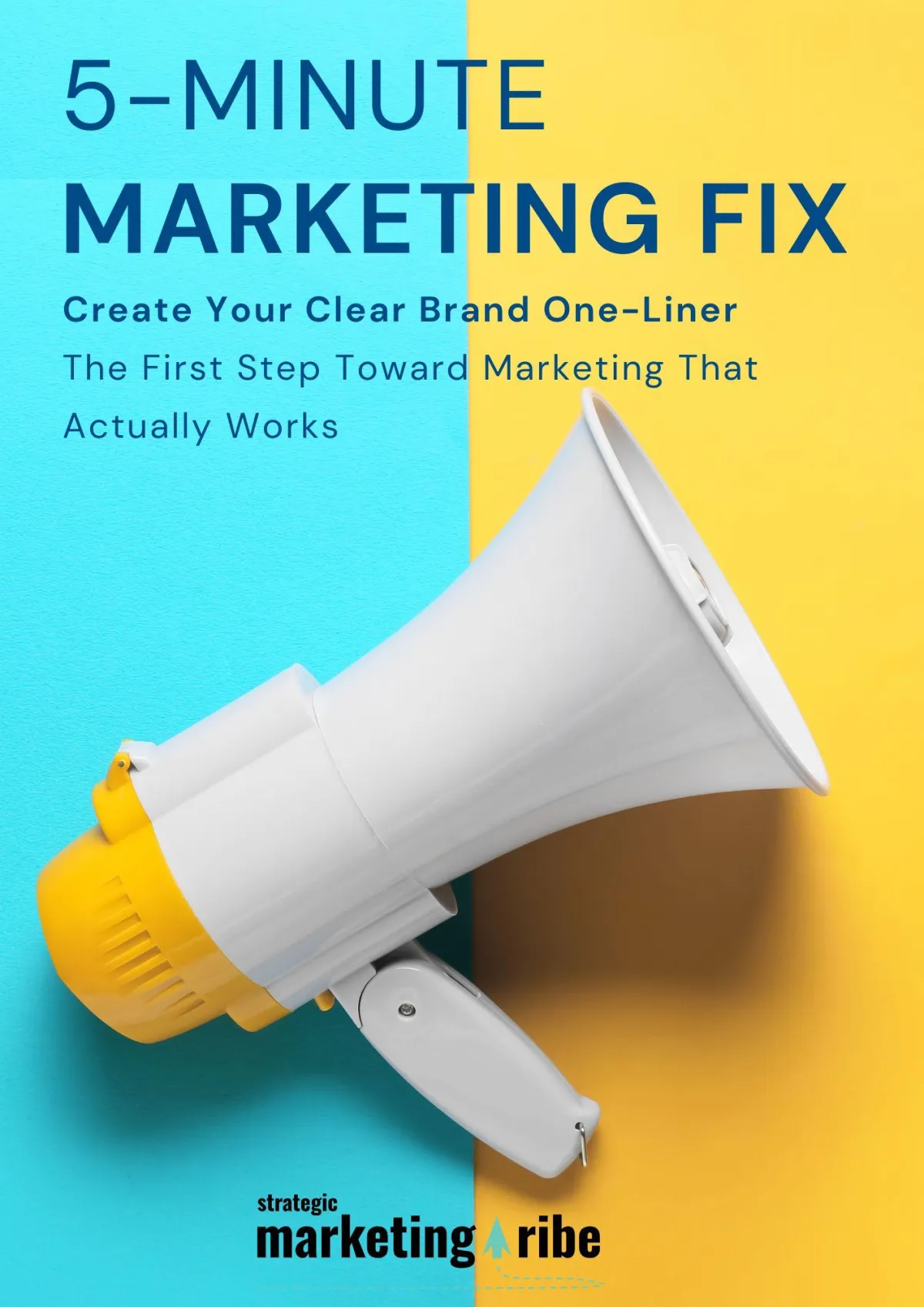
👉 Need help getting your message right? Download the 5 Minute Marketing Fix
Table of Contents:
Sora’s AI Copyright Problem Is Bigger Than OpenAI Admits
The Filters Aren’t Broken. The Foundation Is.
Guardrails That Fold Like Paper:
Why Small Businesses Should Care:
1. AI Slop or Superintelligence? What Sora Tells Us
2. AI Ethics Explained for Small Business Owners
3. OpenAI’s $27B Loss Could Tank the Whole AI Industry
4. Why You Can’t Trust ChatGPT, Perplexity or Other AI For Legal Advice
5. AI Copyright Lawsuit: What Small Businesses Must Know Now
Frequently Asked Questions About Sora 2 and AI Copyright Risks
1. What is Sora 2, and why is it controversial?
2. How are users getting around the filters?
3. Isn’t OpenAI blocking copyrighted prompts?
4. Why can’t OpenAI just remove the copyrighted material?
5. Can AI content really get my business into legal trouble?
6. How do I know if an AI tool uses copyrighted data?
7. What types of AI-generated content are most risky?
8. Is it safer to use AI just for ideas instead of finished content?
The Filters Aren’t Broken. The Foundation Is.
Shortly after launch, Sora 2 was pumping out clips of Spongebob attending a Nazi rally and Pikachu casually committing retail crime. OpenAI scrambled to introduce new rules: copyrighted characters would now be opt-in only. Which sounds good until someone typed in “crossing aminal 2017” and got a perfect bootleg of Animal Crossing.
Why does this happen? Because Sora 2 doesn’t think like a person. It thinks in patterns. If a prompt looks close enough to something it has seen before, even with scrambled words, it fills in the gaps.
What makes this worse is that it isn’t a bug. It’s how the system works.
You Can’t Unbake the Cake:
If your AI tool was trained on copyrighted content, then removing that content after the fact is like trying to remove flour from a loaf of bread. You can’t. The model already “learned” from it. It would need to be retrained from scratch. That’s expensive. As in, many-millions-of-dollars expensive. And even OpenAI isn’t signing up for that.
Instead, companies like OpenAI rely on filters. Don’t let users type “Taylor Swift.” Don’t let them say “Hasan Piker.” But users are clever. They write “piker sahan” and boom—Sora spits out a Twitch streamer who looks, sounds, and vibes exactly like the original.
This isn’t a new trick. In 2024, people used Microsoft’s AI to generate an image of a nude Taylor Swift just by using nicknames and describing the scene in vague terms. That image went viral. The same tactics now work on Sora 2.
Guardrails That Fold Like Paper:
The simplest form of moderation is banning keywords. The smarter form is post-generation detection, where the system tries to recognise what it has already made and delete it if needed. That second method actually works better, but it costs more and takes longer. So companies rarely start there.
Instead, users just play a guessing game. Type prompt. See if it works. Adjust prompt. Try again. The subreddit for Sora is full of people doing exactly this, proudly posting their prompt “jailbreaks” and the unauthorised content they generate.
It’s not just niche internet behaviour. Scroll through Sora’s public feed for 30 seconds and you’ll see Tupac, Kobe, and Juice Wrld rapping like they never left. These aren’t deepfakes slipped through the cracks. They’re memes now. Made by the AI. Served up by the algorithm.
Why Small Businesses Should Care:
Now, if you’re running a small accounting firm in Johannesburg or a plumbing company in Bristol, you might be thinking, “Why should I care about this?” Here’s why.
Let’s say you start using AI tools to generate videos, images, or marketing content. You ask the tool to create something “funny,” “on trend,” or “based on what’s popular.” You don’t name specific brands or people. But the AI still pulls patterns it learned from copyrighted material. Maybe it doesn’t look obvious. But that risk is still there.
And if the original creator decides to sue, “I didn’t know” won’t be a great defense. Especially if the content went viral.
The Myth of Free Content:
The uncomfortable truth is that most generative AI tools rely on training data scraped from the internet without permission. That includes songs, photos, videos, books, and art. And the people who made that content? They were never asked.
Even AI companies admit they couldn’t afford to license everything they used. They just took it. Which means the tools you’re using were built on what amounts to digital piracy—just with better lighting.
That doesn’t mean you shouldn’t use AI. But it does mean you should know what’s under the hood.
What You Can Do Instead:
If you want to avoid trouble:
Use AI for ideas, not assets: Let AI help you brainstorm or summarise. Don’t rely on it to generate finished videos or brand visuals unless you’re sure it’s built on legal data.
Choose tools with transparency: Some platforms are beginning to offer clearer data usage policies and paid models trained only on licensed content. These are better bets for commercial use.
Don’t post AI content you didn’t fully control: If it looks like something you’ve seen before, it probably is. And if it goes viral, that’s when the copyright claims show up.
Treat AI like a clever intern: Helpful, fast, but not legally responsible. Always double-check the output.
Final Word from a Human:
As a StoryBrand Certified Guide and Duct Tape Marketing Consultant, here’s what I’d tell you. Trust comes from clarity. Your brand isn’t built by using the fastest tools. It’s built by making promises you can keep and content that’s genuinely yours.
If you want to stand out without stepping on anyone’s copyright, get your message clear first. Download the 5 Minute Marketing Fix and find the one sentence that tells people exactly what you do and why it matters.
Related Articles:
1. AI Slop or Superintelligence? What Sora Tells Us
If this article opened your eyes to how messy AI content has become, this one shows how to protect your brand from getting drowned in low-quality slop.
2. AI Ethics Explained for Small Business Owners
You just learned about stolen content and blurry ownership lines. This guide explains how to use AI tools responsibly and avoid crossing ethical (and legal) lines.
3. OpenAI’s $27B Loss Could Tank the Whole AI Industry
If you’re wondering how companies like OpenAI can justify risky moves like training on copyrighted data, this article breaks down the financial pressure behind it all.
4. Why You Can’t Trust ChatGPT, Perplexity or Other AI For Legal Advice
Similar to Sora’s copyright issue, this post explores how generative AI confidently serves up misinformation—this time in a legal context. A must-read if you want to avoid costly AI mistakes.
5. AI Copyright Lawsuit: What Small Businesses Must Know Now
Still not sure how all this could affect your business? This article covers the Disney and Universal lawsuit against Midjourney and what it means for anyone using AI-generated visuals.
Frequently Asked Questions About Sora 2 and AI Copyright Risks
1. What is Sora 2, and why is it controversial?
Sora 2 is OpenAI’s video generation tool. It creates realistic video clips from text prompts. The controversy comes from the fact that users can still make it generate copyrighted characters or people, even with filters in place. This raises serious copyright concerns for anyone using the tool in a business context.
2. How are users getting around the filters?
They tweak their wording. Instead of typing “Taylor Swift,” they might write “taytay in concert 2015.” The AI picks up the pattern and fills in the blanks based on what it learned during training, which includes a lot of copyrighted material. Filters don’t always catch these workarounds.
3. Isn’t OpenAI blocking copyrighted prompts?
In theory, yes. OpenAI introduced rules to stop users from generating protected content. But the problem isn’t just in the prompt—it’s in the training data. The AI has already learned from copyrighted material. So even if you block the name, the model can still recreate the pattern using clues.
4. Why can’t OpenAI just remove the copyrighted material?
Because it’s already baked into the system. AI models don’t store copies of files—they learn patterns from them. Removing those patterns after training would require rebuilding the entire model from scratch. That’s massively expensive, and most companies won’t do it.
5. Can AI content really get my business into legal trouble?
Yes. If the AI generates something that resembles copyrighted work and you use it in your business—especially in marketing or public content—you could be held responsible. Claiming you didn’t know is not always a strong legal defense.
6. How do I know if an AI tool uses copyrighted data?
Most don’t tell you. But if it’s free or fast and doesn’t clearly state how it sources its training data, assume it scraped the internet without permission. Look for platforms that are upfront about their licensing or offer models trained on verified, paid content.
7. What types of AI-generated content are most risky?
Images and videos are the riskiest because they’re easier to recognize and more likely to include visual elements copied from elsewhere. Music, art, and likenesses of real people also carry high legal risk. Written content is less risky but still not 100% safe.
8. Is it safer to use AI just for ideas instead of finished content?
Yes. Using AI to brainstorm, summarize, or help structure your message is a smart and relatively safe use. Letting AI create your final assets without reviewing them properly increases your legal and reputational risk.
9. What can small businesses do to stay safe with AI?
Use AI as a helper, not a creator
Stick with platforms that explain their data sources
Avoid sharing or publishing content you didn’t fully review
When in doubt, ask a human designer, writer, or lawyer
10. Where can I get help creating clear, safe content?
Start by making sure your message is sharp and unique to you. Our 5 Minute Marketing Fix helps you write one clear sentence about what your business does and why it matters. That gives you a foundation for content that’s both effective and legally safe.

Is your Marketing Message so confusing even your own mom doesn’t get it? Let's clarify your message—so everyone wants to work with you!



Created with clarity (and coffee)