
StoryBrand Marketing Agency
Is Your Marketing Message So Confusing Even Your Own Mom Doesn’t Get It?
We're an award-winning StoryBrand Marketing Agency that helps Service Businesses clarify their messaging so everyone wants to work with you!
✓ Build trust and authority in your industry
✓ Connect with CLIENTS WHO ACTUALLY GET IT
✓ MARKETING THAT FEELS NATURAL
WATCH THIS VIDEO
If your message isn’t landing—and the right clients aren’t showing up—it’s not your fault. Most service business owners are great at what they do. They just struggle to talk about it clearly.
In this video, I’ll walk you through how we fix that using the StoryBrand Framework, plus how to get started with either DIY or done-for-you options.

WHAT HAPPENS WHEN YOUR MESSAGE ISN’T CLEAR
Can your mom explain what you do?
Can you easily explain what you do?
Can anyone?
If not, that's the problem we fix.
Because when people don’t understand what you do, they move on. You end up working harder just to stay in the game.
You’re always re-explaining yourself
Your website doesn’t convert visitors into clients
Your leads aren’t the right fit
Referrals become scarce
Marketing is frustrating as all hell
But it doesn’t have to be this way. A clear message makes all of that easier. It’s the difference between chasing leads—and attracting the right ones.
You might not believe it yet, but marketing can actually be the opposite of frustrating when you're doing it right.
MAKE YOUR MARKETING Simpler
Whether you want to learn the system or hand it over completely, the goal is the same: clear messaging that brings in better clients with less effort.

A DIY SYSTEM THAT’S SIMPLE TO FOLLOW

for weekly group coaching, templates, and a proven system that fits seamlessly into your week—without taking over your life.
.

COACHING THAT MEETS YOU WHERE YOU ARE
Want someone to walk you through it? Get 1:1 or team coaching to clarify your message and apply the StoryBrand Framework to your business in real time.
.

DONE-FOR-YOU MARKETING
Too busy to do it yourself? We’ll build your messaging, write your copy, create the assets you need, and handle your StoryBrand marketing—so you can stay focused on running your business.
HI, I'm Vicky Sidler
And I’VE BEEN WHERE YOU ARE

I know how it feels to stare at your marketing and think, “Why isn’t this working?” That's why I created a StoryBrand Marketing Agency.
All in all, your business isn’t just another brick in the wall—it’s something special. Your story matters, and I’m here to help you share it in a way that feels real, connects with people, and gets results.
As a certified StoryBrand Guide, I specialize in turning complicated ideas into clear, compelling messages that resonate with your audience.
With a background in journalism, I’ve spent decades telling stories that matter and crafting content people want to read.
I’ve developed a proven system to help businesses like yours cut through all the AI trash that's out there and build genuine connections with their audience.
Your story isn’t just important—it’s the reason people will choose your business. Let’s make sure it’s heard loud and clear by the people who need it most.
And sorry if I got Pink Floyd stuck in your head just now...
Hear Directly from DONALD MILLER
In this short clip, StoryBrand’s founder Donald Miller explains why clear messaging and a simple marketing plan change everything.
Donald shares why newsletters are back, what a full StoryBrand campaign includes, and how a certified guide helps you focus on what actually works—without wasting money or time.
Watch to see how working with a StoryBrand Certified Guide can make a measurable difference for your business.
EVERYTHING STORYBRAND, ALL IN ONE PLACE
Whether you need help with strategy, websites, content, or SEO, I offer the full range of StoryBrand marketing services—done with you or done for you.
StoryBrand Framework
StoryBrand Wireframe
StoryBrand Websites
StoryBrand SEO
StoryBrand Video
StoryBrand Copywriting
StoryBrand Email Sequences
StoryBrand Marketing Funnels
StoryBrand Workshops
StoryBrand Consulting
StoryBrand PPC
StoryBrand Lead Generation
StoryBrand
Social Media
StoryBrand Strategy
StoryBrand Content Marketing
StoryBrand Local Service
StoryBrand Coaching
MARKETING THAT DOESN’T TAKE OVER YOUR LIFE
Whether you want to build it yourself or hand it off completely, as a StoryBrand Marketing Agency, we’ll give you a clear message and a simple system that actually works.

1
BOOK A COFFEE CHAT
This is a no-pressure, non-sales call where we discuss what’s working, what’s not, and where you want to go.
.
2
CHOOSE YOUR PATH
Get hands-on support through the StoryBrand Course, 1:1 or team coaching, or let me build the entire marketing system for you—messaging, website, emails, and more.
.
.

3
FIX YOUR MARKETING
Walk away with a message that resonates, a plan that’s easy to follow, and marketing that works while you sleep and finally delivers results.
COFFEE’S ON US (OK, NOT REALLY)
But we’re serious about helping you connect with your audience. Let’s grab a coffee (on Zoom) and chat about your marketing goals.
Wondering how to simplify your message? Let’s talk.
Ready to stand out in an AI-saturated world? We’ve got ideas.
Just need clarity? We’ll help you see the big picture.
This isn’t a sales call – just a friendly, low-pressure chat. At the very least, you’ll walk away with some cool ideas you can try on your own.
SCHEDULE YOUR COFFEE CHAT WITH US TODAY
FIXING YOUR MARKETING SHOULDN’T FEEL IMPOSSIBLE
Most small business owners aren’t marketers—they just want to explain what they do in a way that makes people care.
But when the message isn’t clear, everything else gets harder: websites don’t convert, leads go cold, and social posts fall flat.
You might worry that getting it right will take too much time, cost too much money, or feel like just another online course you’ll never finish.
That’s why I offer three simple paths: do-it-together support through the StoryBrand Course, 1:1 and team coaching, or done-for-you services where I build your full funnel myself.
You’ll get clear messaging, practical templates, and real support—so your marketing finally works and your business actually grows.
YOUR QUESTIONS, ANSWERED
We know marketing can feel overwhelming, and you probably have questions. That’s why we’ve put together answers to the things people ask us most.
What makes Strategic Marketing Tribe different from other StoryBrand marketing agencies?
We’re the StoryBrand marketing agency that skips the boring "corporate speak." We blend the power of StoryBrand with strategic marketing solutions to craft content that feels human, genuine, and impossible to ignore.
How can your strategic marketing solutions benefit my business?
Our strategic marketing solutions simplify your message, clarify your brand story, and help you connect with your ideal customers. It’s marketing that makes sense and gets results – no jargon, no gimmicks, just growth.
What is StoryBrand, and why does it matter?
Think of StoryBrand as a cheat sheet for marketing clarity. It helps you explain what you do in a way that makes people stop, listen, and say, “Oh, I get it.” We use it to create marketing that feels human and that your audience will actually enjoy reading.
Do I need to be familiar with StoryBrand to work with you?
Not at all! Whether you’re a StoryBrand superfan (like us!) or have no idea what it is, we’ll walk you through everything. We’re here to make the process simple, clear, and (dare we say) fun.
How do I know if this is right for my business?
If people keep saying “I don’t really get what you do,” or you’re getting the wrong kind of leads, it’s a sign your message needs work. That’s what we fix.
What if I don’t have time to take a course?
The course is built for time-strapped business owners. You get short lessons, plug-and-play templates, and live support so you’re never stuck or overwhelmed.
What’s the difference between the course and the done-for-you service?
The course gives you training, tools, and weekly support so you can do it yourself. The done-for-you option means I build your whole funnel for you.
How long does it take to see results?
Most people see clearer messaging and better engagement within a week of applying the one-liner. Bigger results (like leads and conversions) follow as you apply it across your marketing.
What if I’ve already tried StoryBrand and it didn’t work?
Many people try to apply StoryBrand on their own and miss key parts. This course walks you through it step-by-step, with real examples and live feedback from a Certified Guide.
STORY, MEET STRATEGY
Let’s make marketing feel less robotic and more real. Find resources from a StoryBrand Marketing Agency that bring your message—and your business—to life.

Why I Fired Claude and Went Back to ChatGPT
By Vicky Sidler | Published 10 January 2026 at 12:00 GMT+2
There is a very specific kind of doubt that creeps in when smart people you respect all agree on something and your lived experience stubbornly refuses to cooperate. That was me, staring at yet another blog draft written by Claude and wondering whether I had quietly lost my ability to recognize decent writing.
Everyone I know in copywriting circles kept saying the same thing. Claude is better. Claude is more human. Claude writes beautifully. Meanwhile, I was reading drafts I had technically authored and thinking they were some of the worst blog posts I had ever produced, even by my own forgiving standards.
At first, I assumed the problem was me. Maybe I was bad at prompting. Maybe I had missed some secret instruction manual everyone else received. That theory fell apart quickly, because my prompt was not vague or lazy. It was detailed, structured, and filled with examples of exactly what I wanted the output to look like.
So if the instructions were clear and the output still felt bloated and off-brand, something else had to be going on.
TL;DR:
You are not bad at prompting if an AI tool does not fit your workflow
Claude writes like a writer, while ChatGPT behaves more like an assistant
Productivity depends on how you think, not which tool is trending
Writing style, speed, and authenticity matter more than polish
No AI tool is perfect and that is the point
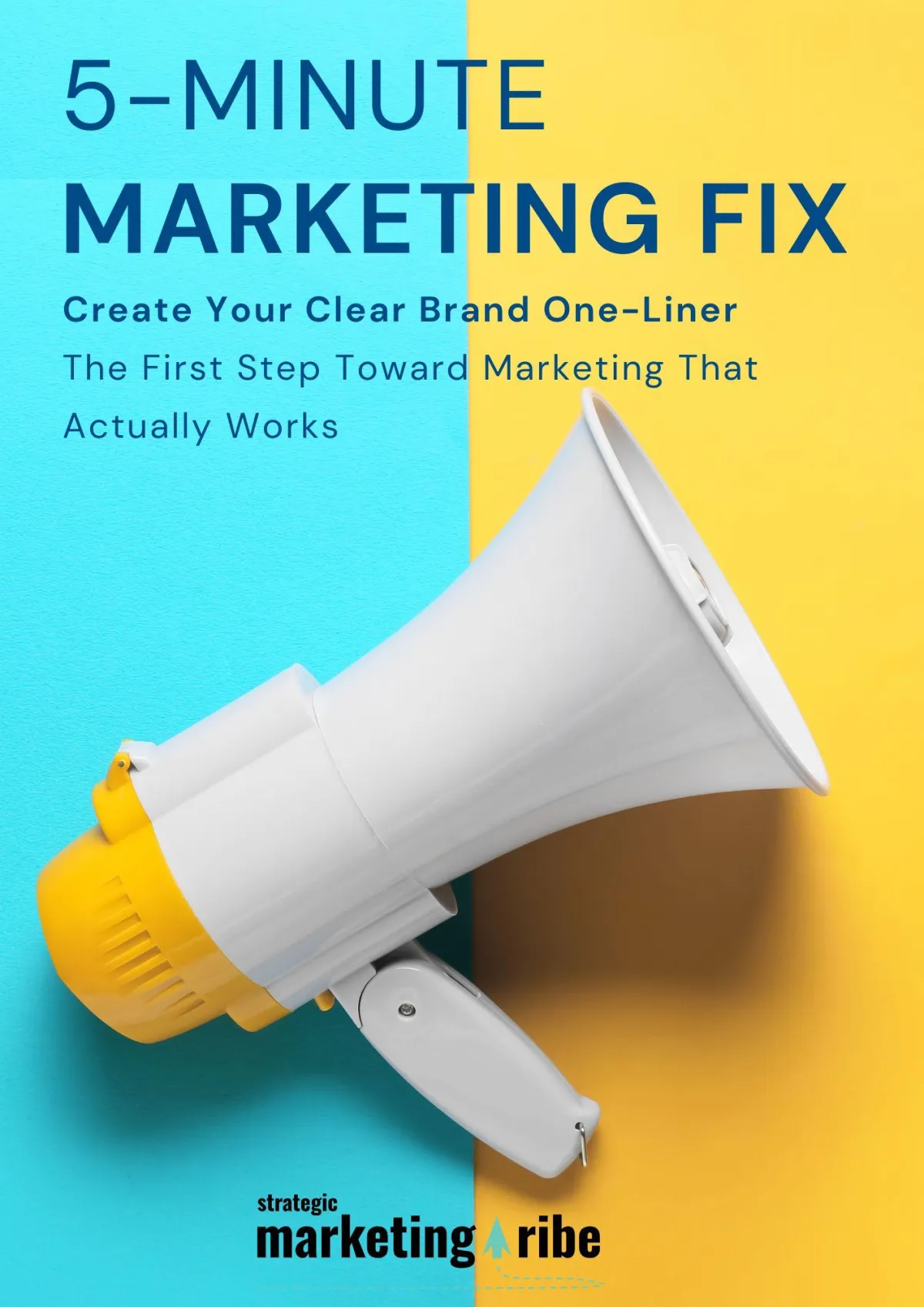
Need help getting your message right? Download the 5-Minute Marketing Fix.
Table of Contents:
Why I Fired Claude and Went Back to ChatGPT
The Moment It Finally Clicked:
Why Writing Volume Changes Everything:
I’m Not Just Writing. I’m Having Fun.
The Problem With AI Tool Rankings:
ChatGPT Is Not Perfect Either:
What Small Business Owners Should Learn From This:
1. Why Replacing Copywriters With AI Will Destroy Your Brand
2. AI Content Does Not Hurt Google Rankings New Study Finds
3. How the Em Dash Became AI's Tell-Tale Punctuation
4. OpenAI's $27B Loss Could Tank the Whole AI Industry
5. Marketing Hourglass Explained: A Smarter Way to Grow Your Small Business
Frequently Asked Questions About Claude vs ChatGPT for Copywriting
1. Is Claude or ChatGPT better for writing blog posts?
2. Why does Claude feel more wordy than ChatGPT?
3. What’s the best AI for daily content creation?
4. Can AI really write in my voice?
5. Why do some people love Claude but I don’t?
6. Is ChatGPT perfect for copywriting?
7. Can I automate AI to write blogs without touching them?
8. What’s the best AI for copywriters who want full control?
The Moment It Finally Clicked:
The turning point came when I stopped asking whether Claude was good and started asking whether it was good for me.
I am proactive by nature. I want to get to the point quickly, understand the structure, and then do the thinking and rewriting myself. I also value authenticity far too much to let a tool do the full job for me, even if it technically could.
Claude does not want to hand over a rough sketch. It wants to finish the painting. It fills in transitions, smooths edges, and adds emotional texture before I have even decided what the piece is trying to say. That might feel helpful to someone who wants a near-final draft, but for me it felt like creative interference.
ChatGPT, on the other hand, gives me a skeleton. Sometimes it is clumsy. Sometimes it misses words or punctuation for no obvious reason. On bad days, it can be spectacularly uncooperative. None of that bothers me, because I rewrite everything anyway.
The Funny Thing About Style:
It never really occurred to me that I had a “style” until someone showed me a tool that mimics tone based on your LinkedIn posts. Out of curiosity, they used my profile as the input.
The result was probably the closest any AI has come to sounding like me. And still, I would not have published it as-is unless I had been sick, sleep-deprived, or possibly sedated.
That test made something painfully clear. I do have a style. It is very specific. And that makes it hard for any tool to nail my voice right out of the gate.
So maybe Claude was not failing. It was just doing its own thing. But when you already know what you want to say and how you want to say it, a tool that insists on “writing” for you becomes more of a nuisance than a help.
Why Writing Volume Changes Everything:
There is another factor most AI comparison articles politely ignore. Time.
I write daily blogs. That means I need a starting point I can trust to be fast, clean, and structurally sound. I do not have the luxury of spending an extra thirty minutes stripping excess language out of every draft before I even begin rewriting it in my own voice.
Claude required too much undoing before the real work could start. ChatGPT lets me move straight into the part of the process I enjoy and do best, which is shaping the message and tightening the clarity.
When you are publishing frequently, the cost of friction adds up quickly.
I’m Not Just Writing. I’m Having Fun.
There’s another part I almost forgot to mention. I’m having a ridiculous amount of fun with this process.
Writing daily posts. Recording short videos. Choosing which stories to tell and how to tell them. I’m not doing it because I have to. I’m doing it because it’s energizing. Because it sparks ideas. Because I’m genuinely proud of what I’m creating.
It reminds me of how my nieces and I sometimes sit and make clothes for their paper dolls. We don’t do it because it’s the fastest or most efficient way to get a result. We do it because it’s ours. Because it’s fun. Because every tiny decision feels like part of something bigger.
Yes, I could automate my daily news updates. I could build a system to scan news sites, pull relevant keywords, generate a blog post, and publish it before I even wake up. There’s no shortage of tools offering that exact pipeline.
But then what would I do with the part I actually like? The part where I think about what matters. The part where I craft the tone. The part where I get to say things how I want to say them.
Giving that to a machine would feel less like delegation and more like surrender.
And maybe that is exactly what sucks for you. Maybe everything I just described sounds exhausting. You want the post done. You want it polished. You want to move on with your day.
And that, right there, is the real problem with AI tool rankings.
The Problem With AI Tool Rankings:
Most articles about which AI tool is best are deeply flawed because they assume everyone has the same goal.
Some people want the AI to do eighty percent of the writing. Others want it to do twenty percent of the thinking. Those are not the same task, yet they are often evaluated using the same criteria.
Claude excels when you want a polished, flowing draft that feels emotionally complete. ChatGPT excels when you want logic, structure, and momentum. Declaring one universally better misses the nuance entirely.
ChatGPT Is Not Perfect Either:
Let me be clear. I did not switch back to ChatGPT because it is flawless. It is not.
It sometimes drops words. It occasionally mangles punctuation. On certain days it seems determined to misunderstand perfectly reasonable instructions. I fix all of that during my rewrite process, so it does not slow me down.
What matters is that it stays out of my way creatively. It gives me enough to work with and then lets me take over.
What Small Business Owners Should Learn From This:
If you run a service business, your marketing tools should support how you think and work, not force you into someone else’s process.
Before choosing an AI tool, ask yourself what you actually want help with. Do you want structure or polish? Speed or elegance? Assistance or authorship?
The best tool is the one that helps you show up consistently without draining your energy.
Clarity in marketing works the same way clarity in writing does. When your starting point fits your personality and workflow, everything downstream becomes easier.
If you want to get your message clear before worrying about tone and polish, start with one strong sentence that explains what you do and why it matters.
That is exactly what the 5-Minute Marketing Fix helps you do.
Related Articles:
1. Why Replacing Copywriters With AI Will Destroy Your Brand
If you related to my preference for keeping the fun parts of writing, this article shows why outsourcing too much creativity to machines can damage your brand’s voice—permanently.
2. AI Content Does Not Hurt Google Rankings New Study Finds
Worried that using ChatGPT might hurt your SEO? This article breaks down real data and shows why quality matters more than authorship. A good follow-up if you're still wondering where Google draws the line.
3. How the Em Dash Became AI's Tell-Tale Punctuation
If Claude’s overdone prose drove you up the wall, this article will make you laugh. It explores how even punctuation gives AI away—and why a little imperfection makes writing feel more human.
4. OpenAI's $27B Loss Could Tank the Whole AI Industry
Finding the right AI tool is only part of the equation. This piece zooms out and asks whether the tools we rely on will still be around next year—and what to do about it.
5. Marketing Hourglass Explained: A Smarter Way to Grow Your Small Business
If you’re enjoying the creative process like I am, this one gives the bigger picture. It connects consistent content creation to customer trust and long-term business growth.
Frequently Asked Questions About Claude vs ChatGPT for Copywriting
1. Is Claude or ChatGPT better for writing blog posts?
It depends on your style. Claude writes more polished, flowing drafts with emotional tone built in. ChatGPT focuses more on structure and clarity, which makes it easier to rewrite. If you want something closer to a finished draft, Claude might suit you. If you prefer to rework copy yourself, ChatGPT is often faster and less bloated.
2. Why does Claude feel more wordy than ChatGPT?
Claude is trained to be “helpful,” which usually means longer, more detailed answers. Even when you ask it to be concise, it tends to explain more. ChatGPT has been tuned to be more efficient and direct, especially in newer versions.
3. What’s the best AI for daily content creation?
For volume and speed, many users prefer ChatGPT because it gives clean structure with fewer edits needed. If you’re publishing daily and want to save time, ChatGPT may be more practical. Claude may require more rewriting to remove extra fluff.
4. Can AI really write in my voice?
Sort of. Tools like Claude and ChatGPT can mimic tone to an extent, especially if you give them strong examples. But if your voice is distinct or specific, like most experienced writers, you’ll still need to rewrite or fine-tune the output to make it sound like you.
5. Why do some people love Claude but I don’t?
It’s probably a workflow mismatch. Some people want AI to do most of the writing. Others just want help with outlining or brainstorming. Claude is ideal for people who want softer, more complete drafts. If you like being hands-on, ChatGPT may suit you better.
6. Is ChatGPT perfect for copywriting?
No. It sometimes leaves out punctuation or misinterprets instructions. But if you’re planning to rewrite or polish the draft anyway, those issues are usually quick to fix. The benefit is that it doesn’t overstep or over-polish.
7. Can I automate AI to write blogs without touching them?
Technically yes, but that’s not always a good idea. You lose control of tone, strategy, and trust. Readers can tell when something feels “machine-made.” A better option is to let AI help, then review and personalise the content before publishing.
8. What’s the best AI for copywriters who want full control?
ChatGPT usually gives more flexible first drafts. It behaves more like a junior assistant than a full writer. If you want to keep creative control and add your own voice, ChatGPT is a strong fit.
9. Will Google penalise me for using AI content?
No, not if the content is helpful and well-edited. Google cares more about the value and clarity of the content than how it was created. If you’re using AI to support your writing, not replace it, you’re on safe ground.
10. Should I use both Claude and ChatGPT for writing?
You can. Some writers use Claude for warm-up drafts and ChatGPT for outlines. Others stick to one tool that fits their process. Try both and see which one helps you work faster without sacrificing your voice.

Is your Marketing Message so confusing even your own mom doesn’t get it? Let's clarify your message—so everyone wants to work with you!




Created with clarity (and coffee)