
StoryBrand South Africa Certified Guide & Coach | Duct Tape Marketing Consultant

About Vicky Sidler
Marketing News Reporter & Industry Journalist
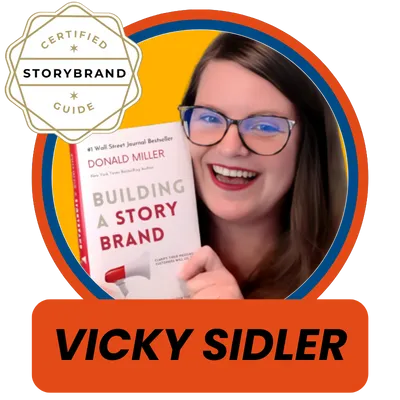
Vicky Sidler is an experienced marketing industry journalist and strategist with more than 15 years in journalism, content strategy, and digital marketing. As a Marketing News Reporter for Strategic Marketing Tribe, she covers breaking developments, trends, and insights that shape the marketing world—from AI in advertising to the latest in customer experience strategy.
Vicky is an award-winning StoryBrand Certified Guide and Duct Tape Marketing Certified Strategist, combining two of the most effective marketing frameworks to help small businesses simplify their message and build marketing systems that work. Her journalism background ensures every piece she writes is fact-checked, insightful, and practical.
Her articles regularly analyze key marketing trends, platform updates, and case studies—offering small business owners, marketers, and industry professionals clear, actionable takeaways. She specializes in topics such as:
Digital marketing strategy
Content marketing and brand storytelling
Marketing technology and automation
AI’s impact on marketing
StoryBrand and Duct Tape Marketing best practices
Education & Credentials
BA in Journalism & English, University of Johannesburg
StoryBrand Certified Guide
StoryBrand Certified Coach
Duct Tape Marketing Certified Strategist
Over 20 years in journalism and marketing communications
Founder & CEO of Strategic Marketing Tribe
Winner of 50Pros Top 10 Global Leader award




Contact
Recent Work

Why AI Comments Are Everywhere and What They Really Do
By Vicky Sidler | Published 2 February 2026 at 12:00 GMT+2
If you have posted anything online recently and received a comment that sounded thoughtful but felt oddly hollow, and included a weird emoji you’ve never seen before, you are not imagining things. It probably thanked you for your insight, referenced a vague point you made, and somehow managed to say nothing useful at all. You might have stared at it for a second, nodded politely, and moved on with your day.
That reaction makes sense. These comments feel pointless because for you, as the person receiving them, they are.
The twist is that they are not pointless for the people creating them.
The internet is now packed with AI generated comments because they quietly make money, distort algorithms, and exploit incentives that were never designed with honesty in mind.
Before we talk about what to do, it helps to understand why this is happening at all.
TL;DR:
AI comments are not meant to help you. They are designed to make money for someone else.
Most exist to push affiliate links, fake engagement, or ad fraud at scale.
Platform algorithms accidentally reward comments far more than real human behaviour.
Fake engagement ruins your ability to understand what your audience actually wants.
The smartest move is to stop chasing comments and focus on signals bots cannot fake.
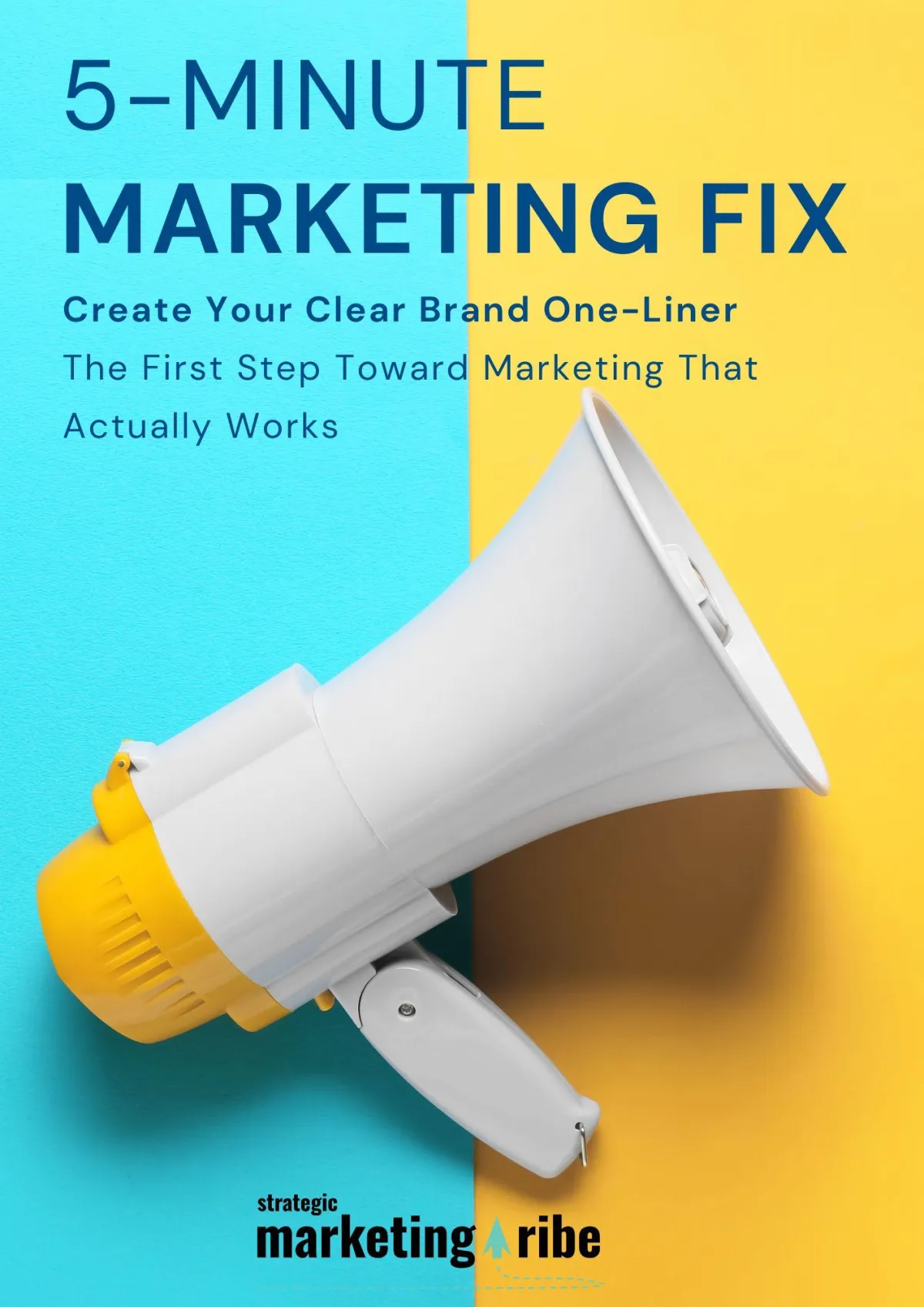
Need help getting your message right? Download the 5-Minute Marketing Fix.
Table of Contents:
Why AI Comments Are Everywhere and What They Really Do
Why These Comments Exist in the First Place
The Algorithm Is the Real Enabler:
Why They Sound Smarter Than They Used To:
Why This Is Bad for Small Businesses:
1. Dead Internet Theory: Are You Marketing to Bots?
2. AI Is Making Big Decisions in South Africa Without You
3. Marketing Confidence 2026: Why Most Teams Feel Lost
4. Marketing for Small Business 2026: What Actually Works Now
5. AI Predictions for 2026: Here's What Chatbots Think Happens Next
Frequently Asked Questions About AI Comments and Fake Engagement
1. Why are there so many weird comments on my LinkedIn and YouTube posts?
2. Do fake comments actually help my content perform better?
3. How do AI bots make money from comments?
4. Can fake engagement hurt my business?
5. How can I tell if a comment is fake?
6. What platforms are most affected by fake comments?
7. Is there a way to block or reduce AI-generated comments?
8. Should I ever buy engagement for my content?
Why These Comments Exist in the First Place
On the surface, an AI comment looks harmless. It reacts to your post. It sounds relevant. It even feels polite. Underneath that politeness is a very boring reason for its existence.
Money.
Many AI comments are part of affiliate marketing systems where volume matters more than quality. A bot can leave hundreds or thousands of comments a day across LinkedIn, YouTube, or Instagram. Even if only a tiny percentage of people click a link or follow a profile, the maths works out in the operator’s favour.
One documented case showed an affiliate marketer earning several thousand dollars from a single short form video simply by placing comments early and often. At scale, this becomes predictable income, even if most comments are ignored or removed.
To you, it looks like noise. To them, it looks like yield.
The Algorithm Is the Real Enabler:
This problem does not exist because people are especially sneaky. It exists because platforms quietly reward comments far more than they reward attention.
On LinkedIn, comments carry significantly more weight than likes when deciding how far a post travels. That means one fake comment can signal more value to the algorithm than dozens of real likes. The system cannot reliably tell whether the comment came from a human with intent or a bot with a script.
YouTube has a similar issue. Comments influence discoverability and recommendation signals, and they appear in search results. A comment that looks thoughtful can both drive traffic and trick the system into thinking a video is more engaging than it really is.
In simple terms, comments are cheap signals that unlock reach.
So bots chase them.
Why They Sound Smarter Than They Used To:
Older bot comments were obvious. They said things like “Great content” or “Nice video” and nothing else. Modern AI comments are better because they are built using language models trained to sound contextual.
They reference your topic. They mirror your tone. They sometimes even ask a follow up question.
What they do not do is care.
These systems use delays, rotating IP addresses, and browser level automation to behave like humans. LinkedIn publicly acknowledged the scale of this problem in 2025, but detection still lags behind creation. Every time platforms improve filters, bot creators adjust their tools.
It is not a battle that ends quickly.
Why This Is Bad for Small Businesses:
The real damage is not aesthetic. It is analytical.
When every post gets roughly the same volume of fake engagement, you lose your feedback loop. You cannot tell which ideas resonate, which topics attract real interest, or whether your message is building trust. Everything looks busy, but nothing is clear.
As a StoryBrand Certified Guide and Duct Tape Marketing Consultant, this is the part that worries me most. Marketing decisions rely on signals. When those signals are polluted, business owners start optimising for the wrong things.
They chase comments instead of clarity. They chase reach instead of relevance. They confuse noise for growth.
And that is how businesses waste time while feeling productive.
What Bots Cannot Fake:
The good news is that not all engagement is equal, and bots are still bad at the things that actually matter.
They struggle to fake saves, repeat interactions from the same person, direct replies that build on earlier conversations, and user generated content where someone creates something of their own in response to yours.
These are the signals that reflect real interest.
Platforms are slowly shifting toward valuing these harder to fake behaviours, not out of goodwill, but because bad data makes their own systems worse over time.
What You Should Do Instead:
Stop using comments as a scorecard.
Use them as a doorway. If a real person replies thoughtfully, respond. If a comment feels generic, let it pass without emotional investment. Do not assume engagement equals impact.
Focus on clarity. When people understand exactly who you help and why it matters, the right signals become easier to spot.
If you want a practical starting point, this is exactly what the 5-Minute Marketing Fix is designed to do. It helps you write one clear sentence that attracts humans, not bots.
Related Articles:
1. Dead Internet Theory: Are You Marketing to Bots?
If AI comments are just the tip of the iceberg, this article explores what else might be fake—and how to stay grounded in real data.
2. AI Is Making Big Decisions in South Africa Without You
Your marketing data might already be filtered by algorithms. This piece explains why that matters more than you think.
3. Marketing Confidence 2026: Why Most Teams Feel Lost
If distorted engagement signals have left you second-guessing every decision, this article helps you rebuild trust in your own strategy.
4. Marketing for Small Business 2026: What Actually Works Now
This article shows what real engagement looks like—so you can stop mistaking noise for traction.
5. AI Predictions for 2026: Here's What Chatbots Think Happens Next
Fake comments are just one example. This article looks at how AI is changing everything else too—and what you should prepare for next.
Frequently Asked Questions About AI Comments and Fake Engagement
1. Why are there so many weird comments on my LinkedIn and YouTube posts?
Most of them are AI-generated. They're not written for you—they're written to make money for someone else through affiliate links, fake engagement, or spam traffic.
2. Do fake comments actually help my content perform better?
Temporarily, yes. Some platforms reward comments with more reach. But long-term, it ruins your analytics and makes it harder to know what your real audience values.
3. How do AI bots make money from comments?
They usually push affiliate links, click fraud, or fake conversions. Even if only a tiny number of people click, it adds up fast when bots leave thousands of comments per day.
4. Can fake engagement hurt my business?
Yes. It distorts your feedback loop and makes you optimize for the wrong things. That leads to wasted time, weak messaging, and decisions based on bad data.
5. How can I tell if a comment is fake?
Look for vague praise, recycled phrasing, and zero actual engagement with your content. If it sounds too generic or too perfect, it’s probably not real.
6. What platforms are most affected by fake comments?
LinkedIn and YouTube are especially vulnerable because their algorithms reward comments heavily. But Instagram, TikTok, and even blogs get hit too.
7. Is there a way to block or reduce AI-generated comments?
Some platforms let you filter or restrict comments using keywords or moderation settings. But detection is still behind. Most bots get through unless you remove them manually.
8. Should I ever buy engagement for my content?
No. Fake engagement might make your post look popular, but it won’t attract real leads or conversions. It’s a short-term trick that damages long-term trust.
9. What kind of engagement is hard for bots to fake?
Saves, direct replies that build on a conversation, user-generated content, and repeat engagement from real profiles are all signs of actual interest.
10. What’s the best way to get real engagement?
Start with clarity. When your message is simple and specific, the right people respond. Use the5-Minute Marketing Fix to write one sentence that tells people exactly why your business matters.

Is your Marketing Message so confusing even your own mom doesn’t get it? Let's clarify your message—so everyone wants to work with you!



Created with clarity (and coffee)
Mail
WhatsApp
LinkedIn
Website