
STORY, MEET STRATEGY
Let’s make marketing feel less robotic and more real.
Find resources that bring your message—and your business—to life.
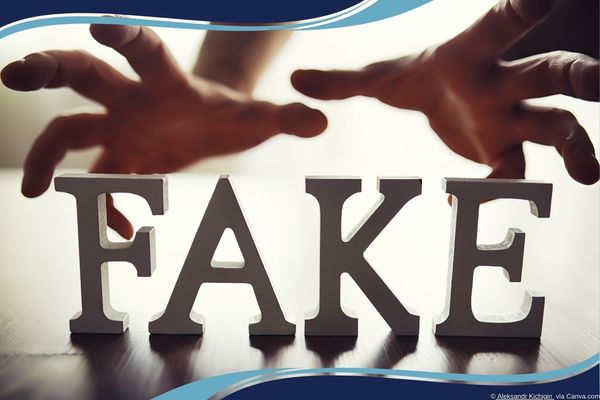
Disinformation and Fake AI Alarm 7 in 10 Europeans
By Vicky Sidler | Published 24 February 2026 at 12:00 GMT+2
If the internet were a dinner party, it would now be the kind where half the guests are real, three are wearing very convincing masks, and one might actually be a hologram. You are fairly sure the conversation is interesting, but you are no longer certain who is speaking.
That uneasy feeling is not just yours. According to a recent report covered by Evangelical Focus, nearly seven in ten Europeans say they are highly worried about disinformation and fake content created by artificial intelligence.
This was not a small online poll of people who argue in comment sections for sport. The Autumn 2025 Eurobarometer surveyed more than 26,000 people across all 27 European Union countries. Sixty-nine percent said they are very concerned about misleading or false information. Sixty-eight percent are highly concerned about AI-generated fake content such as deepfake videos that can look disturbingly real.
That level of concern is not background noise. It is a shift in how people feel about what they see online.
The internet now runs through daily life like electricity through a house. People use it to manage money, shop, learn, connect with friends, and follow content that resonates with them. When that system starts to feel unreliable, the reaction is not subtle.
TL;DR:
69 percent of Europeans are highly concerned about disinformation
68 percent are highly concerned about fake AI-generated content
Privacy, hate speech and freedom of expression are also major worries
Southern and Eastern Europe show higher levels of concern overall
Trust online is fragile and businesses must earn it carefully
👉 Need help getting your message right? Download the 5-Minute Marketing Fix.
Table of Contents:
Disinformation and Fake AI Alarm 7 in 10 Europeans
Fake AI Content Is Now a Top Concern:
Disinformation Is Not Just a Buzzword:
Privacy, Hate Speech, and Freedom of Expression:
What This Means for Service-Based Businesses
1. Be Extremely Clear About What You Do:
2. Show Proof That Is Hard to Fake:
3. Be Transparent About Data Use:
4. Avoid Overusing AI in Visible Ways:
1. AI Search Distrust Grows—What Small Brands Should Do
2. AI Marketing Trust Gap Widens as Consumers Push Back
3. Risks and Artificial Intelligence: What Small Businesses Must Know
4. AI Ethics Explained for Small Business Owners
5. AI, Cybersecurity & Social Media Now Drive Small Business Growth
Frequently Asked Questions About Disinformation and Fake AI Content
1. What is disinformation, and how is it different from misinformation?
2. What is a deepfake, and how can I spot one?
3. Why are so many Europeans worried about fake AI content?
4. How does disinformation affect small businesses?
5. Should small businesses stop using AI in marketing?
6. How can I build trust when people are skeptical online?
7. What should I say about privacy on my website?
8. Are customers really paying attention to data protection?
9. How do I make sure my marketing does not look fake or misleading?
10. What is the first step I should take to make my marketing more trustworthy?
Fake AI Content Is Now a Top Concern:
Artificial intelligence tools can now create images, audio, and video that look almost identical to real life. These are often called deepfakes. A deepfake is simply a piece of media that has been digitally altered so convincingly that it appears authentic, even when it is not.
In countries like the Netherlands and Finland, 73 percent of people say they are highly worried about fake AI content. In Cyprus that number jumps to 84 percent. Malta and Luxembourg are close behind at 79 percent. Germany, Belgium, Denmark, and Sweden also report high concern.
When citizens struggle to tell the difference between real footage and fabricated content, trust erodes quietly but quickly. And once trust is gone, rebuilding it is far more difficult than generating the next clever marketing campaign.
Disinformation Is Not Just a Buzzword:
Disinformation is not simply someone being wrong online. It is false information designed or shared in a way that misleads. Spain reports the highest concern at 85 percent, followed by Cyprus at 82 percent and Italy at 80 percent. In those countries, most people fear being manipulated by information that appears true but is not.
As a small business owner, this matters more than it might first appear. If people are increasingly suspicious of what they see online, they are not only questioning political content. They are questioning ads, testimonials, reviews, and claims from businesses.
In other words, your marketing now enters a room where everyone is slightly on guard.
Privacy, Hate Speech, and Freedom of Expression:
The survey also shows 68 percent of Europeans are highly concerned about the protection of their personal data. That simply means they are worried about how companies collect, store and use their information online.
Southern and Eastern European countries report higher levels of concern about data protection, with citizens in Bulgaria, Estonia, Hungary, Poland, and Greece particularly worried about how their private data is used.
Hate speech and social polarization are also major concerns, especially in France and Croatia. Meanwhile, people in Spain, Italy, and Portugal show high fear about threats to freedom of expression.
Taken together, this paints a picture of a public that feels digitally exposed. When users feel exposed, they become cautious. When they become cautious, they slow down buying decisions.
What This Means for Service-Based Businesses
If you run a coaching practice, consultancy, agency, or local service business, you may not think fake AI videos in Europe affect you. They do, because the underlying issue is trust.
When nearly seven out of ten people worry about being misled online, your marketing must work harder to signal honesty and clarity.
1. Be Extremely Clear About What You Do:
Confusion now looks suspicious. If your website is full of vague claims about being innovative, cutting-edge, or transformative, visitors will not feel inspired. They will feel uncertain.
As a StoryBrand Certified Guide and Duct Tape Marketing Consultant, I tell clients this all the time. Clarity reduces anxiety. A simple sentence that explains who you help, what problem you solve, and what result they can expect is not just good branding. It is risk reduction.
2. Show Proof That Is Hard to Fake:
Written testimonials are easy to fabricate. Video testimonials are stronger, especially when they feel natural rather than scripted. Case studies with specific numbers and real-world details also build credibility.
Explain the context. Describe the challenge. Share the measurable outcome. When people see concrete detail, their brains relax.
3. Be Transparent About Data Use:
If privacy is a top concern, tell people clearly what happens to their information. Use plain English. If someone downloads a guide, state whether they will receive weekly emails or only a single follow-up. When you do not hide the fine print, you build confidence.
4. Avoid Overusing AI in Visible Ways:
AI can help you brainstorm, summarize, or outline ideas. It should not replace your voice entirely. If every post sounds generic and polished to perfection, readers may sense something is off.
Authenticity does not mean messy. It means human. Let your perspective show. Share specific experiences. Speak in a way that reflects how you actually think.
The Bigger Marketing Lesson:
The Eurobarometer data shows more pessimism in Southern Europe and less in Northern Europe, but the overall trend is clear. Digital environments feel less stable than they once did.
For small business owners, this is not a reason to panic. It is a reason to simplify.
Clear messaging. Honest promises. Real proof. Transparent processes.
In a world where fake content spreads quickly and trust feels fragile, the businesses that win will not be the loudest. They will be the clearest.
If you want help sharpening your message so that people understand you instantly and feel safe buying from you, start small.
Download the 5-Minute Marketing Fix. It will help you craft one clear sentence that explains what you do and why it matters, which is often the first step toward rebuilding trust in a noisy digital world.
Related Articles:
1. AI Search Distrust Grows—What Small Brands Should Do
If people are doubting what they see online, that doubt now includes AI powered search results and summaries. This article explains how small businesses can adjust their content strategy so they remain visible and credible even when buyers question automated answers.
2. AI Marketing Trust Gap Widens as Consumers Push Back
While marketers race ahead with AI tools, consumers are becoming more cautious with their data and attention. This piece unpacks the growing trust gap and shows how automated, irrelevant messaging quietly damages credibility.
3. Risks and Artificial Intelligence: What Small Businesses Must Know
Disinformation and deepfakes are only part of the picture. This article walks through broader AI risks such as bias, privacy breaches, and legal exposure, then outlines practical guardrails to help you use AI responsibly.
4. AI Ethics Explained for Small Business Owners
If people fear manipulation and loss of control online, ethical marketing becomes a competitive advantage. This guide helps you evaluate your own AI use so your business behaves in a way you would trust as a customer.
5. AI, Cybersecurity & Social Media Now Drive Small Business Growth
Trust concerns are rising, yet small businesses are investing heavily in AI and social platforms. This article connects the dots between cybersecurity, consistent content, and earning long term customer confidence.
Frequently Asked Questions About Disinformation and Fake AI Content
1. What is disinformation, and how is it different from misinformation?
Disinformation is false or misleading information that is shared in a way that deceives people. Misinformation can simply be incorrect information shared without harmful intent. The difference is intent and impact, but for business owners the effect is the same. Trust drops.
2. What is a deepfake, and how can I spot one?
A deepfake is a video, image, or audio clip created or altered using artificial intelligence so it looks real. Signs can include unnatural facial movements, slightly mismatched lip syncing, or strange lighting or audio that feels just slightly off. If something feels dramatic or shocking, verify it before sharing.
3. Why are so many Europeans worried about fake AI content?
The survey shows nearly seven in ten people are highly concerned about being misled online. As AI tools improve, fake content becomes harder to detect, which makes people question what they see on social media, search engines, and even news platforms.
4. How does disinformation affect small businesses?
When public trust drops, buyers become cautious. They take longer to make decisions, double-check claims, and hesitate before sharing personal information. This means your marketing must be clearer, more transparent, and more evidence-based.
5. Should small businesses stop using AI in marketing?
No. AI can be useful for brainstorming, outlining ideas, or improving clarity. The key is not to rely on it blindly. Always review content, add your own perspective, and avoid publishing anything that feels generic or exaggerated.
6. How can I build trust when people are skeptical online?
Be specific about what you offer and who it is for. Show real proof, such as detailed case studies and genuine testimonials. Explain clearly how you handle customer data. When people understand you quickly and see real-world results, they feel safer buying.
7. What should I say about privacy on my website?
Use plain language. Explain what information you collect, why you collect it and how it is stored. Tell people how often you will email them and how they can unsubscribe. Transparency lowers anxiety.
8. Are customers really paying attention to data protection?
Yes. Around two-thirds of Europeans say they are highly concerned about how their personal data is used. Even if your audience is outside Europe, the global trend is toward greater awareness and caution around privacy.
9. How do I make sure my marketing does not look fake or misleading?
Avoid exaggerated claims. Replace vague phrases with concrete results. If you promise a benefit, explain how it works and what it depends on. Clear explanation feels more trustworthy than hype.
10. What is the first step I should take to make my marketing more trustworthy?
Start with clarity. Make sure you can explain in one simple sentence who you help, what problem you solve, and what outcome people can expect. If you need help crafting that sentence, download the 5-Minute Marketing Fix and use it as your starting point

Is your Marketing Message so confusing even your own mom doesn’t get it? Let's clarify your message—so everyone wants to work with you!





Created with clarity (and coffee)