
STORY, MEET STRATEGY
Let’s make marketing feel less robotic and more real.
Find resources that bring your message—and your business—to life.
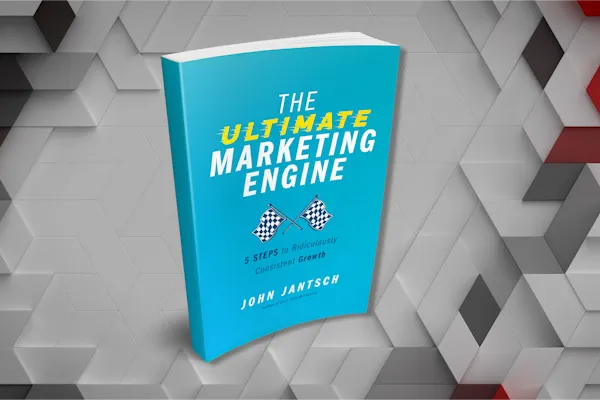
Ultimate Marketing Engine By John Jantsch Summary for Small Service Businesses
By Vicky Sidler | Published 15 February 2026 at 12:00 GMT+2
Some marketing books try to inspire. Others try to impress. This one tries to get you to stop chasing everyone with a pulse and start treating your best clients like humans who might actually come back, spend more, and bring their friends—if you stop treating them like a one-off transaction.
The Ultimate Marketing Engine by John Jantsch is not a sexy title, but it makes up for it by being absurdly practical. It’s the kind of book you’ll wish you read earlier, once you realize how much money you’ve left on the table trying to “scale” a funnel for people who were never your people to begin with.
If you’re a service-based business with clients who have names instead of order numbers, this book might be the clearest roadmap you’ve ever seen.
TL;DR:
Your job is to guide clients through transformation, not just offer a service
Think of clients as members, not one-time buyers
Map the full customer journey, especially what happens after the sale
Build your marketing around the top 20% of clients who actually like you
Create partnerships and content that serve client needs before they ask
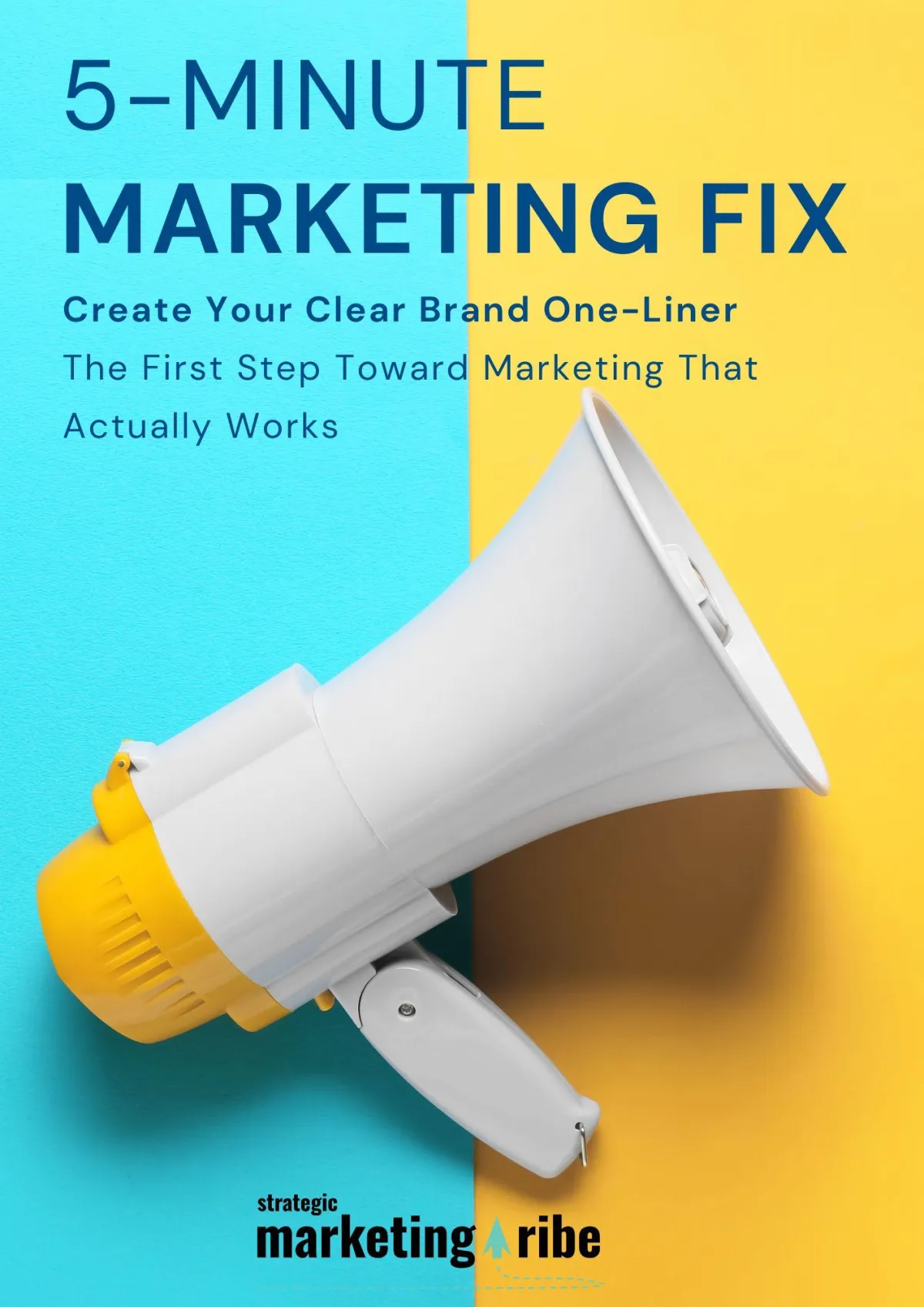
👉 Need help getting your message right? Download the 5-Minute Marketing Fix
Table of Contents:
Ultimate Marketing Engine By John Jantsch Summary for Small Service Businesses
Membership Mindset, Without the Monthly Fee:
Step 1—Map Where Clients Are and Where They’re Trying to Go:
Step 2—You’re Not Selling What You Think You’re Selling:
Step 3—Fire the Bottom 80% (Politely):
Step 4—Match Your Marketing to the Journey:
Step 5—Serve the Ecosystem, Not Just the Client:
How This System Replaces Constant Lead Chasing:
1. Duct Tape Marketing by John Jantsch Review
2. The 1-Page Marketing Plan Review
3. Marketing Hourglass Explained: A Smarter Way to Grow Your Business
4. Ideal Client Profile: The Marketing Shortcut Small Businesses Miss
5. How To Pick the Right Clients and Watch Your Business Grow
Frequently Asked Questions About The Ultimate Marketing Engine
1. What is The Ultimate Marketing Engine by John Jantsch about?
2. Is The Ultimate Marketing Engine worth reading if I’ve already read Duct Tape Marketing?
3. How do I apply the Customer Success Track to my service business?
4. What does “treat your clients like members” actually mean?
5. How do I know who my top 20% of clients are?
6. What is the Marketing Hourglass and how is it different from a funnel?
7. What types of content should I create for each stage of the Hourglass?
8. Can The Ultimate Marketing Engine work for solo businesses?
9. What’s the difference between the Customer Success Track and a sales funnel?
10. Where can I get help applying these ideas to my business?
Membership Mindset, Without the Monthly Fee:
Jantsch opens with something that will make most small business owners twitch: stop calling them customers. Start thinking of them as members.
Not in a Netflix way. In a “this relationship doesn’t end when the card clears” way.
Because if your accountant disappears until March and your web designer vanishes post-launch, you’re not getting value. You’re getting a transaction. And if you're doing the same to your own clients, don't be surprised when they leave.
Treating clients like members forces a different question:
“What does this person need next, now that we’ve solved this first thing?”
Uncomfortable? Yes. Necessary? Absolutely.
Step 1—Map Where Clients Are and Where They’re Trying to Go:
Instead of herding strangers into a funnel and hoping for the best, Jantsch gives you the Customer Success Track. It has five stages:
Foundation
Level Up
Organize
Stabilize
Scale
Let’s say you run a marketing consultancy.
At Foundation, your client has zero strategy and a Canva addiction
Level Up means they’ve stopped guessing, but barely
Organize brings CRM tools, documented processes, and internal screaming
Stabilize means they’re no longer chasing leads like stray cats
Scale is when they build a referral engine and pretend it was all planned
You’re not selling “a retainer.” You’re saying, “You’re in Organize. Let’s get you to Stabilize so you can stop checking your inbox with dread.”
Mapping the journey forces you to notice the real transformation you offer.
Step 2—You’re Not Selling What You Think You’re Selling:
Jantsch does a gentle slap here: “Nobody wants what you sell.”
They want what it solves.
A bookkeeper isn’t selling bank reconciliations. They’re selling “sleeping through the night without worrying about tax penalties.”
A coach isn’t selling sessions. They’re selling “not hating Mondays anymore.”
If you’re a service business, stop describing what you do. Start describing what life looks like when you’re done.
And if you can’t say that in one line, you don’t have a message. You have a list of tasks with no context.
Step 3—Fire the Bottom 80% (Politely):
You already know this, but Jantsch says it out loud: your bottom 80% of clients are draining you.
They nickel and dime you. They rewrite your scope in their heads. They take four days to reply, then expect a miracle by Thursday.
Your top 20%? They refer. They pay. They respect your time.
So your marketing strategy should be simple:
Study the top 20%
Build your brand for more people like them
Politely send the others elsewhere
Yes, this feels risky. But not as risky as continuing to build a business that serves people who don’t value what you do.
Step 4—Match Your Marketing to the Journey:
Here’s where Jantsch brings back the classic Marketing Hourglass:
Know → Like → Trust → Try → Buy → Repeat → Refer
He points out that most small businesses post on Instagram (Know) and then vanish until invoice time (Buy). That gap is where trust dies.
Your job is to create touchpoints for every stage:
Know: Helpful blogs, short videos, search-friendly tips
Like: Behind-the-scenes content and founder stories
Trust: Testimonials, case studies, and “we’ve done this before” proof
Try: Lead magnets, audits, paid trials
Buy: Simple proposals, clear onboarding, expectation-setting
Repeat: Client check-ins, reviews, upgrades
Refer: Incentives, gratitude, and systems that make it easy to recommend you
This isn’t busywork. This is how you keep good clients instead of constantly hunting for new ones.
Step 5—Serve the Ecosystem, Not Just the Client:
Once you’ve got your client journey mapped, your next move is to zoom out.
Who else serves your ideal client? How can you partner with them?
Think web designers teaming up with copywriters, coaches connecting with VAs, accountants collaborating with legal advisors.
Also think about client communities. Invite your top clients to a private group, a monthly check-in, or a virtual roundtable. Let them learn from each other. Let them become part of something.
Now you’re not just a service provider. You’re the glue. And glue doesn’t get replaced easily.
The Hardest Part Is Doing It:
Everything in this book sounds reasonable. Logical, even. But implementation requires restraint.
You’ll need to:
Say no to tempting but wrong-fit leads
Build systems for seven touchpoints, not just one landing page
Be patient enough to focus on retention instead of reach
This is not the path for people chasing viral growth or chasing clients at all.
It’s the path for business owners who want fewer clients, longer relationships, better referrals, and actual stability.
How This System Replaces Constant Lead Chasing:
The Ultimate Marketing Engine is a small business marketing book that respects your intelligence, your exhaustion, and your ambition.
It won’t tell you to dance on TikTok. It will tell you to build something repeatable that grows because your clients win, not because your ad spend does.
It assumes your goal is not to impress people with jargon but to serve the people who already trust you—and to do it so well they bring their friends.
If you want to build this kind of transformation engine, you need to start with clarity. One sentence that explains what you do, who you do it for, and why it matters.
That’s what the 5-Minute Marketing Fix gives you. It’s not fluff. It’s the first step to attracting better clients and keeping them longer.
Related Articles:
1. Duct Tape Marketing by John Jantsch Review
If Ultimate Marketing Engine is the sequel, this review walks you through the original system—including the Marketing Hourglass—so you understand where it all started.
2. The 1-Page Marketing Plan Review
Dib’s plan complements Jantsch’s transformation model with a one-page tactical approach to marketing before, during, and after the sale.
3. Marketing Hourglass Explained: A Smarter Way to Grow Your Business
This article breaks down each stage of the Marketing Hourglass and shows how to create real marketing touchpoints for every part of the client journey.
4. Ideal Client Profile: The Marketing Shortcut Small Businesses Miss
You can’t serve your top 20% if you can’t find them. This guide shows how to build an Ideal Client Profile based on real data from your best clients.
5. How To Pick the Right Clients and Watch Your Business Grow
If you’re stuck with bad-fit clients, this piece helps you identify who’s draining you—and how to stop saying yes to the wrong people.
Frequently Asked Questions About The Ultimate Marketing Engine
1. What is The Ultimate Marketing Engine by John Jantsch about?
It’s a book that helps small businesses grow by focusing on long-term client transformation, not just getting more leads. Jantsch introduces a five-step system that includes mapping client progress, narrowing your audience, and serving clients through every stage of their journey.
2. Is The Ultimate Marketing Engine worth reading if I’ve already read Duct Tape Marketing?
Yes. While Duct Tape Marketing introduced the Marketing Hourglass, Ultimate Marketing Engine builds on it with the Customer Success Track and a stronger focus on retention, referrals, and strategic client growth.
3. How do I apply the Customer Success Track to my service business?
Start by identifying the five stages your ideal clients move through as they grow. Then define what problems they face at each stage and what transformation you help deliver. Use that to shape your services, messaging, and content.
4. What does “treat your clients like members” actually mean?
It means thinking long-term. Instead of treating clients as one-time buyers, act like they’re joining a journey with you. Ask what they’ll need after your first project and how you can keep supporting them over time.
5. How do I know who my top 20% of clients are?
Look at who generates the most revenue, refers others, and works with you easily. Jantsch recommends creating a profile based on those clients, then building your marketing to attract more like them.
6. What is the Marketing Hourglass and how is it different from a funnel?
The Marketing Hourglass includes seven stages: Know, Like, Trust, Try, Buy, Repeat, and Refer. It focuses on the full client journey—not just conversion—so you retain good clients and get referrals instead of always chasing new leads.
7. What types of content should I create for each stage of the Hourglass?
Know: Helpful blogs, search-optimised tips
Like: Case studies and personal stories
Trust: Testimonials, social proof
Try: Lead magnets, audits, trials
Buy: Clear offers and onboarding
Repeat: Follow-ups, upsells
Refer: Easy referral systems
8. Can The Ultimate Marketing Engine work for solo businesses?
Absolutely. It’s designed for small service businesses—consultants, designers, coaches, freelancers—who want fewer, better clients and long-term relationships, not endless lead chasing.
9. What’s the difference between the Customer Success Track and a sales funnel?
A funnel is about converting strangers into buyers. The Customer Success Track is about guiding ideal clients through growth stages over time. One ends with the sale. The other builds trust that leads to repeat business and referrals.
10. Where can I get help applying these ideas to my business?
Start withthe 5-Minute Marketing Fix. It helps you clarify your core message in one clear sentence so you can attract the right clients and build a journey around what they actually need.

Is your Marketing Message so confusing even your own mom doesn’t get it? Let's clarify your message—so everyone wants to work with you!






Created with clarity (and coffee)