
Real news, real insights – for small businesses who want to understand what’s happening and why it matters.

AI Slop Is Flooding Social Media And Ruining Your Business
By Vicky Sidler | Published 12 December 2025 at 12:00 GMT+2
You know something’s off when a cat in a sombrero starts offering you business advice.
That’s not a joke. It’s a business model now.
In a recent Last Week Tonight segment, comedian John Oliver pulled back the curtain on “AI slop”—a tidal wave of weird, mass-produced content clogging up your social media feed. We’re talking mutant animals, fake court cases, and a cabbage man who rips his own head off. If you’ve scrolled recently and thought, “What even is this?”—you’ve already met slop.
And if you run a small business that relies on social media to reach customers, you need to understand what is happening and why it matters.
Because while you are spending time and money creating genuine content that connects with real people, someone in another country is churning out 500 AI-generated images per day and getting paid for it by the same platforms you are trying to use.
Welcome to the future. It smells like horse poop and flying cabbage men.
TL;DR:
“AI slop” is mass-produced content designed to get clicks, not deliver value
Fake videos and images are flooding Facebook, Pinterest, YouTube, and TikTok
Real artists are getting ripped off, real viewers are getting confused
The result is less trust, more clutter, and harder visibility for genuine businesses
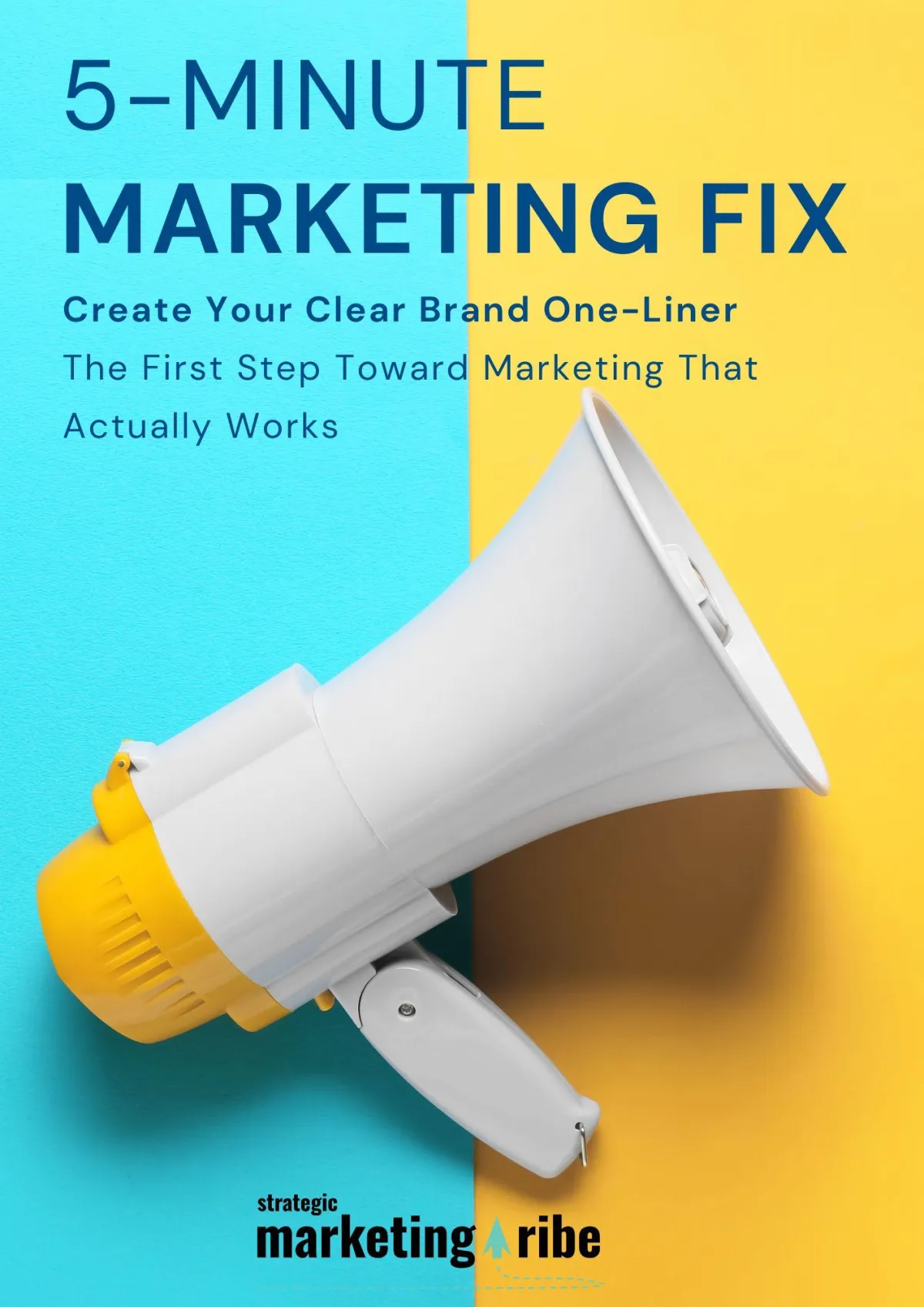
👉 Need help getting your message right? Download the 5 Minute Marketing Fix.
Table of Contents:
AI Slop Is Flooding Social Media And Ruining Your Business
Why So Much of It Is Showing Up in Your Feed:
The Bigger Risk for Businesses:
What Small Businesses Can Do About It:
Why Clarity Beats Clickbait Every Time:
1. AI Ethics Explained for Small Business Owners
2. AI Hallucinations in Court—Big Trouble for Legal Trust
3. AI vs Human Music: Why Imperfection Wins
4. AI Influencers Fooled Wimbledon Fans—Don’t Let Them Fool Your Customers
5. Meta’s AI Spending Spikes But There’s No Product
Frequently Asked Questions About AI Slop
2. Why is AI slop a problem for small business owners?
3. How can I tell if something is AI slop?
4. Why do people make AI slop?
5. Are people actually fooled by this stuff?
7. What should I do if my audience shares fake AI content?
8. What does AI slop mean for marketing?
9. Can I use AI in my content without being part of the problem?
What Is AI Slop?
AI slop is what happens when people use generative AI tools to create huge amounts of low-effort content for clicks and ad money. It looks kind of polished. It sounds sort of believable. But underneath the surface, it’s junk.
The term comes from a CEO who said that not all AI content is spam, but right now, all spam is AI content.
You’ve seen it.
A cat with human emotions raising a child
A baby with six-pack abs working at a coffee shop
“News” videos where celebrities storm courtrooms in dramatic lighting
The goal? Get views. Go viral. Get paid.
And because slop is cheap to make and algorithms reward engagement, platforms like Facebook and Instagram are serving more of it—even from accounts you don’t follow.
Why Is This a Problem?
1. Real Content Gets Buried:
Pinterest used to be a haven for real photos. Now, type in “garden” and you’ll scroll past a field of AI-generated nonsense before finding an actual flower. That’s exhausting for users—and a problem for brands trying to build trust through real images.
2. People Believe It:
A fake court video featuring “Karoline Leavitt” was shared over a million times. Thousands of commenters thought it was real. Even when someone pointed out it was AI-generated, the replies argued otherwise.
It’s not just a little confusion. When people can’t tell what’s real, trust becomes optional. That’s dangerous.
3. It Rips Off Real Artists:
Chainsaw artist Michael Jones found his original wood carvings turned into viral slop. No credit. No permission. No payout.
If you’re a business owner using original visuals, designs, or writing—you might be next.
Why So Much of It Is Showing Up in Your Feed:
Platforms like Meta are tweaking their algorithms to show more content from accounts you don’t follow. That opens the floodgates for slop.
Creators are even selling “how to make slop” courses. The basic formula?
Buy or grow a large social account
Generate cheap AI content that grabs attention
Monetize the views with platform payouts or product links
And it works. One video of a bread horse pulled 50 million views. A fan bed got 35 million. A cabbage man with abs? Viral.
The people behind this are gaming the system. The platforms are getting the clicks. And your real, thoughtful posts are getting lost.
The Bigger Risk for Businesses:
Slop doesn’t just distract. It actively confuses.
During the North Carolina floods, fake AI rescue images made it harder for first responders to find real victims. Political actors are already using fake AI images to push agendas. And when deepfakes get good enough, even true content gets dismissed as fake.
This is called the “liar’s dividend”—bad actors deny real evidence by saying “that’s AI.” And suddenly, reality is optional.
What Small Businesses Can Do About It:
You’re not going to out-slop the slop.
And you shouldn’t try.
But here’s what you can do:
1. Stay Human
Use real photos. Real words. Real voice. Your authenticity is now a differentiator.
2. Earn Trust
Clarify your message. If people don’t understand what you do in one sentence, they’ll keep scrolling. Want help? The 5 Minute Marketing Fix gives you a one-liner that sticks.
3. Educate Your Audience
Let your customers know what’s real. If they comment on something fishy, gently steer them to the truth. Your credibility builds loyalty.
4. Be Patient
Slop wins on speed. You win on trust. In the long run, trust lasts longer than trends.
Why Clarity Beats Clickbait Every Time:
AI slop is here to stay for now. But your business doesn’t need to get louder. It needs to get clearer.
You don’t need a fake cat in a sombrero to go viral. You need a message that connects with real humans. That’s what my 5 Minute Marketing Fix helps you write.
Related Articles:
1. AI Ethics Explained for Small Business Owners
Worried about how to use AI responsibly without messing up your brand? This guide gives you the plain-English ethics overview every small business needs.
2. AI Hallucinations in Court—Big Trouble for Legal Trust
Fake legal cases aren’t just a weird side effect of AI—they’re landing in real courtrooms. This one shows why trust and clarity matter more than ever.
3. AI vs Human Music: Why Imperfection Wins
AI might be fast, but this article proves there’s still something magnetic about human-created work. A must-read if your brand thrives on creativity.
4. AI Influencers Fooled Wimbledon Fans—Don’t Let Them Fool Your Customers
Deepfakes and digital avatars are blurring reality. This one shows how to protect your audience from falling for fake content.
5. Meta’s AI Spending Spikes But There’s No Product
Billions spent, nothing shipped. This article explains what happens when hype outpaces delivery—and what small brands should watch for in their own AI use.
Frequently Asked Questions About AI Slop
1. What is AI slop?
AI slop is low-effort, mass-produced content made using AI tools to grab attention online. It looks polished but lacks real value or accuracy.
2. Why is AI slop a problem for small business owners?
It clutters platforms with fake content, makes it harder for your real posts to be seen, and undermines trust in everything people see online.
3. How can I tell if something is AI slop?
Look for odd hands, distorted backgrounds, nonsense text, or surreal scenarios. If it feels too weird or perfect to be real, it probably isn’t.
4. Why do people make AI slop?
Because it’s fast, cheap, and sometimes profitable. Creators earn money from platform payouts or by linking to products through affiliate schemes.
5. Are people actually fooled by this stuff?
Yes. Many comment sections are full of people reacting as if the content is real, especially with AI-generated news, court cases, or animal images.
6. Is all AI content slop?
No. AI has useful applications. The problem is volume-first content made only to go viral. Slop doesn’t aim to inform or help—just to spread.
7. What should I do if my audience shares fake AI content?
Gently point it out. Explain why it’s not real and share reliable sources. Use it as a teaching moment to build trust without sounding smug.
8. What does AI slop mean for marketing?
It raises the bar for authenticity. Clear, human messaging now stands out more than ever. Businesses that sound real have a real advantage.
9. Can I use AI in my content without being part of the problem?
Yes. Use AI to help with drafts, outlines, or ideas. But make sure the final message reflects your voice, values, and real expertise.
10. How can I make my content stand out from AI slop?
Be clear. Be human. Be consistent. Start with a strong message—like your one-liner from the5 Minute Marketing Fix—and build trust from there.

Strategic Marketing Tribe helps established service businesses turn underperforming marketing into more predictable growth with the Failure-Proof Marketing System.






Created with clarity (and coffee)