
NEWS, MEET STRATEGY
Real news, real insights – for small businesses who want to understand what’s happening and why it matters.

How To Talk About AI In Job Interviews Without Sounding Replaceable
By Vicky Sidler | Published 16 December 2025 at 12:00 GMT+2
If you've ever felt like saying "I use AI" in a job interview is the same as saying "A robot could replace me," you're not alone. In fact, you’re in a growing crowd of otherwise smart, capable people nervously wondering how to admit they’ve been working with ChatGPT without being shown the door.
Turns out, the trick isn’t hiding it. The trick is explaining it well.
According to new insights from Social Market Way, three-quarters of knowledge workers now use generative AI on the job. Hiring managers are catching on. And contrary to popular fear, 54% of UK hiring managers prefer candidates with hands-on AI experience.
The issue isn’t if you use AI. It’s how you describe it.
Let’s break that down.
TL;DR:
Don’t hide your AI usage during interviews
Focus on how AI helps you be more efficient, not how it replaces your skills
Be specific, not vague
Always position yourself as the decision-maker
Use examples with numbers
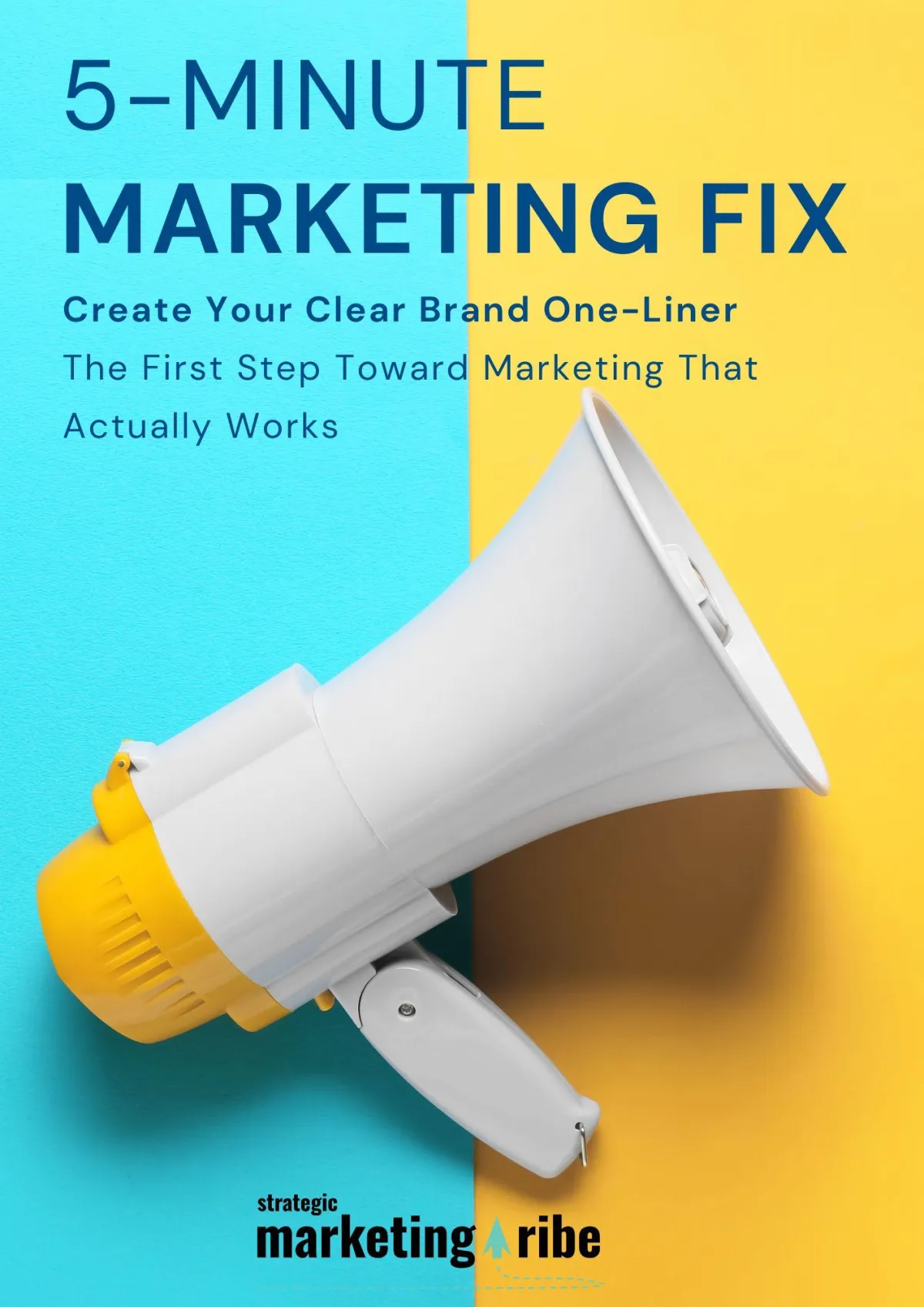
👉 Need help getting your message right? Download the 5-Minute Marketing Fix
Table of Contents:
How To Talk About AI In Job Interviews Without Sounding Replaceable
Why This Matters For Small Business Owners Too:
1. Frame AI As Your Admin, Not Your Brain:
2. Get Specific About Workflows:
3. You Are Still The One In Charge:
4. Yes, You Can Use AI For First Drafts:
5. Don’t Just Say It’s Better. Prove It.
6. Don’t Claim Magic. Explain Judgment.
1. OpenAI’s $27B Loss Could Tank the Whole AI Industry
2. Ideal Client Profile: The Marketing Shortcut Small Businesses Miss
3. Brand Guidelines for Small Business
4. Marketing Hourglass Explained: A Smarter Way to Grow Your Small Business
Frequently Asked Questions About Talking About AI In Interviews
1. Should I admit I use AI in my work?
2. What’s the biggest mistake people make when talking about AI?
3. How do I explain my AI use without sounding lazy?
4. Can I mention AI in creative roles?
5. What do hiring managers want to hear?
6. How specific should my examples be?
7. Is it better to use numbers when talking about AI?
8. Can this advice apply to client meetings too?
Why This Matters For Small Business Owners Too:
Even if you’re not job-hunting, chances are you’ll be hiring or pitching sometime soon. If you’re using AI in your business (and if not, you probably will be), you need to know how to talk about it without losing trust.
Clients and customers, like employers, want to know you’re using AI as a tool—not as a crutch.
1. Frame AI As Your Admin, Not Your Brain:
Imagine saying, “AI helps me schedule meetings, format reports, and summarize research so I can focus on strategy and client conversations.”
Now imagine saying, “AI does all the work.”
Same tool. Completely different impression.
Letting AI take on the boring stuff shows you know how to prioritize real value. It shows maturity, not laziness.
2. Get Specific About Workflows:
Don’t say, “AI helps me be more productive.” That’s like saying, “My phone helps me do things.” It means nothing.
Instead, walk people through how you use AI on real tasks.
For example: “I used AI to scan 50 competitor websites in 30 minutes, spotted gaps in their messaging, and built a campaign around what they missed.”
That shows you’re strategic. And time-aware. Two things every client and employer appreciates.
3. You Are Still The One In Charge:
AI doesn’t think. You do. That’s the whole point.
Make it clear that you review, shape, and own whatever the machine spits out.
Say things like, “I use AI to draft a structure, then rewrite it completely based on our brand, audience, and tone.”
Or: “I treat AI output as raw material. I refine it with industry knowledge and intent.”
This makes you sound like a decision-maker, not a shortcut-taker.
4. Yes, You Can Use AI For First Drafts:
Just don’t stop there.
Using AI to beat the blank page is a time-saver. But nobody needs to know you hit copy-paste and walked away.
Say, “I use AI to get past the blank page, but then I refine everything manually for clarity, tone, and purpose.”
This is especially useful for writers, marketers, and anyone who has to explain things well.
5. Don’t Just Say It’s Better. Prove It.
One of the best ways to sound like you know what you’re doing is to show results.
How much time did AI save you?
How much did it improve accuracy?
What changed after you added it to your process?
Try something like, “After adding AI to my content workflow, I jumped from 15 to 25 articles a month while keeping a 95% client approval rating.”
Short. Measurable. Powerful.
6. Don’t Claim Magic. Explain Judgment.
This part’s important. If you say “AI writes my content,” most people will mentally file you under “easily replaced.”
If you say, “I use AI to spot patterns faster and spend more time thinking about the right strategy,” you sound smart. Because you are.
As Yassin Aberaa, Founder and CEO of Social Market Way, says:
“The biggest mistake candidates make is either hiding their AI usage completely or overclaiming what AI does for them. Both approaches backfire.”
The same applies to freelancers, small business owners, and anyone talking to clients.
If you want trust, explain your decisions, not just your tools.
What To Do Next:
Whether you’re interviewing, hiring, or explaining your work to clients, the way you talk about AI matters. Confidence without specifics sounds fake. Specifics without strategy sound small. But strategy with results? That sounds like someone worth working with.
And if that’s the kind of impression you want to make, the best place to start is your message.
Get my 5-Minute Marketing Fix to help you write one clear sentence that says what you do and why it matters.
Related Articles:
1. OpenAI’s $27B Loss Could Tank the Whole AI Industry
If you're using AI as part of your value proposition, it's worth understanding the risks behind the tools themselves. This one gives you critical context on the economic instability behind the scenes.
2. Ideal Client Profile: The Marketing Shortcut Small Businesses Miss
Your ability to speak clearly about AI hinges on knowing who you're speaking to. This post shows how to identify your audience—whether it's a hiring manager, client, or investor—and tailor your message accordingly.
3. Brand Guidelines for Small Business
When you say you refine AI output for tone, style, and voice, this article helps you actually define what that means. A must-read if you want to back up your claims with real brand strategy.
4. Marketing Hourglass Explained: A Smarter Way to Grow Your Small Business
You mentioned using AI to build campaigns. This article gives you the bigger-picture framework to make those campaigns stick. A practical next step for turning tools into real growth.
Frequently Asked Questions About Talking About AI In Interviews
1. Should I admit I use AI in my work?
Yes, but be smart about how you say it. Focus on how AI helps you work more efficiently, not how it replaces your skill. Employers value judgment, not shortcuts.
2. What’s the biggest mistake people make when talking about AI?
Saying “AI does everything for me” or acting like you never use it at all. Both extremes make you sound either replaceable or dishonest.
3. How do I explain my AI use without sounding lazy?
Use specific examples. Say what tasks AI handles (like admin or research summaries) and how you take ownership of the final output.
4. Can I mention AI in creative roles?
Yes, especially if you explain how you use it to brainstorm or structure drafts, but always highlight the human decisions and creativity you bring to the final product.
5. What do hiring managers want to hear?
That you’re using AI to save time and improve quality—but that you still own the thinking, strategy, and judgment.
6. How specific should my examples be?
Very. The more specific you are about your workflows and results, the more competent and confident you’ll sound.
7. Is it better to use numbers when talking about AI?
Absolutely. Metrics like time saved, output increase, or error reduction show real value and help you stand out.
8. Can this advice apply to client meetings too?
Yes. Clients also want to know you’re using AI responsibly. Frame it as a productivity tool that supports your expertise, not a robot doing the work.
9. What if I use AI but don’t feel like an expert?
You don’t need to be an expert. Just show that you’re thoughtful, intentional, and capable of improving what AI gives you.
10. How can I sharpen the way I explain what I do?
Start by clarifying your overall message. Download the5-Minute Marketing Fix and create one strong sentence that explains your value clearly.

Is your Marketing Message so confusing even your own mom doesn’t get it? Let's clarify your message—so everyone wants to work with you!




Created with clarity (and coffee)