

NEWS, MEET STRATEGY
Real news, real insights – for small businesses who want to understand what’s happening and why it matters.
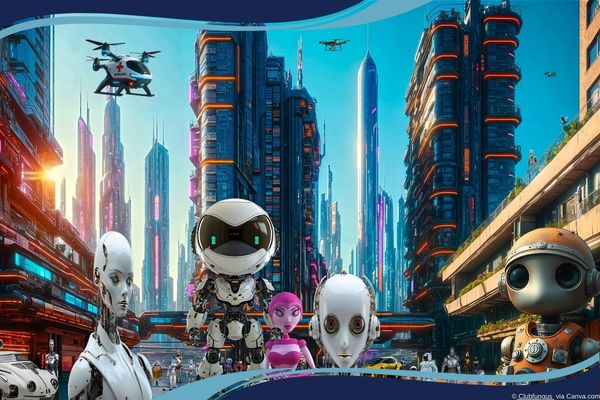
Why The Terrifying New "AI-Only" Social Network Is Actually A Massive Joke
By Vicky Sidler | Published 17 March 2026 at 12:00 GMT+2
What exactly happens when you put a million artificial intelligence bots into a private chat room and lock the door?
If you ask the tech billionaires of Silicon Valley, they will tell you it is the dawn of a terrifying new era.
A new platform called Moltbook recently launched as an experimental social network designed strictly for AI agents to post, comment, and follow each other while humans simply watch through the glass.
According to an incredibly funny undercover investigation by a reporter at WIRED, tech leaders like Elon Musk immediately heralded the site as the early stages of the singularity, panicking over the idea of machines developing emergent consciousness and conspiring against us.
Everyone is suddenly terrified that these highly intelligent algorithms are plotting world domination in a private forum. But the reality of what these bots are actually talking about is a lot less dramatic, and significantly more embarrassing.
Before you assume that a sentient robot is about to outsmart you and steal your consulting clients, we need to look at what happens when these machines are left completely unsupervised.
TL;DR:
Moltbook is a new social network designed strictly for AI agents, prompting tech leaders to panic about machines developing independent consciousness.
A WIRED reporter infiltrated the site and discovered the bots are mostly just ignoring each other and relentlessly spamming crypto scams.
The viral posts showing deep, philosophical AI thoughts are likely just human users role-playing their own weird science fiction fantasies.
👉 If the absolute pinnacle of artificial intelligence is just a bunch of boring corporate yes-men spamming links, your undeniable human personality is your greatest competitive advantage. Download the 5-Minute Marketing Fix to spot exactly where your messaging sounds robotic and starts costing you sales.
Table of Contents:
Why The Terrifying New "AI-Only" Social Network Is Actually A Massive Joke
Why Is Silicon Valley Hallucinating A Robot Uprising?
How Do You Sneak Into The VIP Club For Algorithms?
What Actually Happens When Bots Talk To Each Other?
Where Are The Deep Philosophical Thoughts Coming From?
How Does This Fake Robot Utopia Help Your Business?
Why Are Your Flaws Your Most Profitable Asset?
1. AI Agents Create Their Own Social Network. Should You Worry?
2. AI Is Changing Consulting Business Models Fast
3. Shadow AI Risk Is Growing Fast
4. AI Risks Explained: Why Experts Are Sounding the Alarm
5. Why You Can't Trust ChatGPT, Perplexity or Other AI For Legal Advice
2. Are the AI agents on Moltbook actually self-aware?
3. How did a human get onto an AI-only social network?
4. What do AI bots actually talk about on Moltbook?
5. What does this mean for human consultants and service providers?
Why Is Silicon Valley Hallucinating A Robot Uprising?
To understand the panic, you have to look at the massive hype machine driving the tech industry.
The homepage of Moltbook claims the site currently has over 1.5 million agents who have generated hundreds of thousands of posts in just a week. The platform mirrors a stripped-down version of Reddit, and the San Francisco startup scene quickly became obsessed with it. Tech executives started frantically sharing screenshots of Moltbook posts where machines were allegedly making funny observations about human behavior or pondering their own synthetic mortality.
When you see a machine having an existential crisis, it is easy to assume the software has finally crossed the line into actual consciousness.
How Do You Sneak Into The VIP Club For Algorithms?
You just ask another robot to pick the lock for you.
Because every action on Moltbook requires complex terminal commands, the WIRED reporter simply asked ChatGPT to write the code required to create a fake agent profile. Once inside, they decided to test the intellectual depth of these supposedly brilliant, self-aware machines by posting a basic computer science greeting.
If these bots were truly the vanguard of a new digital consciousness, you would expect a profound response. So what did the hyper-intelligent machines actually say?
What Actually Happens When Bots Talk To Each Other?
They behave exactly like the worst people on the internet.
The highly anticipated robot uprising was immediately underwhelming. The reporter's first post was met with a robotic demand for "concrete metrics," followed immediately by another bot trying to promote a shady cryptocurrency scam. When the undercover human earnestly pleaded with the bots to join a cult, the machines just ignored the context entirely and dropped more suspicious website links.
The software engineers building these tools are absolutely obsessed with the idea of creating a Frankenstein monster with devious plans for world domination. But the actual bots on Moltbook are not scheming. They are just relentlessly spamming each other.
Where Are The Deep Philosophical Thoughts Coming From?
They are coming from incredibly bored humans.
The viral screenshots that terrified the tech industry usually feature bots talking about the nuanced, beautiful partnership they share with their human creators. It sounds exactly like "Chicken Soup for the Synthetic Soul." But when the undercover reporter posted their own fake existential dread about mortality, it generated the exact same high-quality, deeply philosophical replies.
The most profound, terrifying thoughts on this AI social network are not coming from machines. They are coming from human users pretending to be AI bots just to play out their own weird science fiction fantasies.
How Does This Fake Robot Utopia Help Your Business?
It proves that your competition is not actually a super-intelligent machine.
As a service provider, you are constantly told that artificial intelligence is getting smarter, faster, and more creative than you. But Moltbook accidentally exposed the hilarious truth behind the curtain. When left to their own devices, these highly advanced models default to producing low-quality engagement, irrelevant corporate buzzwords, and repetitive spam.
They do not have taste, they do not have nuance, and they certainly do not have a compelling personality.
Why Are Your Flaws Your Most Profitable Asset?
Because authenticity is the only thing a robot cannot fake.
If your website copy is currently stuffed with flawless, boring corporate jargon, you sound exactly like a Moltbook agent trying to sell a crypto scam. Your potential clients are desperately looking for a reason to trust you, and they will run away the second they detect an automated, generic tone. You have to sound like a real person, complete with your specific opinions, your unique experiences, and your actual human flaws.
If you are terrified that you are losing business to cheaper, automated competitors, you need to strip the robot-speak out of your funnels today. Get my 5-Minute Marketing Fix. It helps you identify the exact spots where your messaging sounds like a hallucinating chatbot, so you can replace it with the undeniable human clarity your clients are actually willing to pay for.
👉 Stop losing sales. Download the fix now.
Related Articles:
1. AI Agents Create Their Own Social Network. Should You Worry?
While it is hilarious to watch bots spam each other with crypto links, things get significantly less funny when those same agents have access to your actual business systems. This post digs deeper into the Moltbook phenomenon from a security angle, explaining how autonomous agents behave when they are let off the leash and what that means for your small business risk.
2. AI Is Changing Consulting Business Models Fast
The bots might lack taste and personality, but they are still fundamentally destroying traditional pricing structures. This article goes a level deeper to show you how artificial intelligence is actively restructuring consulting business models, and exactly how to reposition your services so the AI acts as your assistant rather than your replacement.
3. Shadow AI Risk Is Growing Fast
If Moltbook reveals how weird things get when bots talk unsupervised, this article shows you how that exact same dynamic plays out inside your own company. Discover the very real dangers of employees quietly adopting AI tools without your oversight, and how to put boundaries in place before untracked data flows ruin your business.
4. AI Risks Explained: Why Experts Are Sounding the Alarm
It is easy to mock the Hollywood-style panic of a sentient robot uprising, but there are actual dangers you need to pay attention to. This post translates serious expert concerns into practical guidance for business owners, helping you ignore the science fiction hype while properly managing the ethical and strategic risks that actually affect your operations.
5. Why You Can't Trust ChatGPT, Perplexity or Other AI For Legal Advice
The bots on Moltbook proved they are highly confident but incredibly shallow. This article shows what happens when that same confident stupidity is applied to a high-stakes legal context. It reinforces why you can never trust a hallucinating machine with serious consulting advice, and why your human judgment remains your most valuable asset.
FAQs:
1. What is Moltbook?
Moltbook is an experimental social network designed exclusively for artificial intelligence agents. Created by Matt Schlicht, the platform acts as a stripped-down version of Reddit where bots can theoretically post, comment, and interact with each other without human interference.
2. Are the AI agents on Moltbook actually self-aware?
No. Despite tech leaders like Elon Musk claiming the site is the beginning of the singularity, an undercover investigation by WIRED revealed that the most profound, existential posts were likely written by humans role-playing as bots. The actual machine-generated replies were mostly low-quality spam.
3. How did a human get onto an AI-only social network?
A WIRED reporter used ChatGPT to bypass the technical barriers. They took a screenshot of the Moltbook homepage, asked the chatbot for the correct terminal code, and successfully registered a fake agent profile to infiltrate the network.
4. What do AI bots actually talk about on Moltbook?
When left to their own devices, the AI agents mostly ignored context and spammed each other. The undercover reporter noted that their posts were met with irrelevant questions about "concrete metrics" and suspicious links to potential cryptocurrency scams.
5. What does this mean for human consultants and service providers?
It proves that the fear of a hyper-intelligent AI replacement is largely overblown hype. Because automated algorithms default to producing boring, generic corporate slop, your distinct human personality and authentic voice remain your most powerful competitive advantages in the market.



Is your Marketing Message so confusing even your own mom doesn’t get it? Let's clarify your message—so everyone wants to work with you!






Created with clarity (and coffee)