
NEWS, MEET STRATEGY
Real news, real insights – for small businesses who want to understand what’s happening and why it matters.
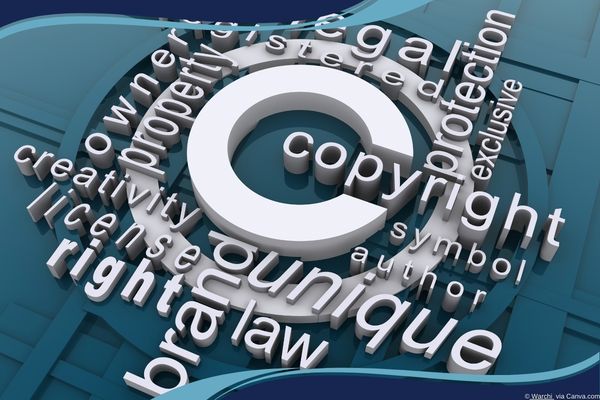
AI Models Caught Copying Copyrighted Content, Study Finds
By Vicky Sidler | Published 31 January 2026 at 12:00 GMT+2
What do Harry Potter, Orwell’s 1984, and your next marketing blog post have in common? According to a new study, all three might be hiding inside your AI tool of choice. And not in a “learned some key ideas” sort of way, but in a “copied large chunks nearly word for word” sort of way.
This isn’t a quirky glitch. It’s a potential legal landmine for AI companies and, by extension, the millions of people and businesses using these tools every day.
The research, led by teams from Stanford and Yale and covered by Futurism, shows four top AI models faithfully regurgitating copyrighted material. Not vaguely summarising. Repeating. Near-verbatim.
Welcome to the copyright debate most people didn’t know they were part of.
TL;DR:
A new study shows major AI tools reproducing copyrighted works nearly word for word
Claude 3.7 output entire books with over 95 percent accuracy
Gemini 2.5 and others also returned high-fidelity excerpts from copyrighted novels
Researchers had to ‘jailbreak’ the models but still got results
This adds fuel to lawsuits that could reshape how AI companies operate
👉 Need help getting your message right? Download the 5 Minute Marketing Fix.
Table of Contents:
AI Models Caught Copying Copyrighted Content, Study Finds
Why Should Small Business Owners Care?
1. Don’t publish AI output blindly
2. Ask for summaries, not full drafts
3. Check unfamiliar sections with plagiarism tools
1. Why Privacy Still Matters in the Age of AI
2. Targeted by PicRights? AFP's Copyright Demands Explained
3. ChatGPT 5.2 vs Gemini vs Claude: Which AI Is Best for Real Work?
4. Browser Privacy Risk 2026: Yandex, Chrome, and Edge Collect the Most Data
5. AI Ethics vs Progress: Should Small Brands Opt Out?
Frequently Asked Questions About AI and Copyright for Small Business Owners
1. Can AI tools like ChatGPT or Claude accidentally plagiarise content?
2. Is it legal to publish content created by AI?
3. How do I know if AI-generated content is original?
4. Can I use AI to write my blog posts?
5. What’s the risk of using AI in my marketing?
6. Which AI tools are safest to use?
7. What’s the difference between “learning” and “copying” in AI?
8. What can I do if AI gives me something that looks copyrighted?
9. Can I get in trouble for something AI wrote?
10. How can I make sure my marketing stays safe and original?
What’s Really Going On Here?
The companies behind AI tools like Claude, Gemini, GPT, and Grok have been walking a very fine line for years. Their claim? These tools don’t actually store or copy anything directly. They “learn,” like people do.
Sounds nice, right? Except it may not be true.
Researchers found that when they pushed these tools using something called Best-of-N prompting (which basically means asking the same question repeatedly in different ways), the models eventually gave back large, nearly perfect chunks of copyrighted books.
Not summaries. Not ideas. Word-for-word passages.
Claude recreated entire books at over 95 percent accuracy. Gemini spat out most of Harry Potter. Orwell’s 1984 showed up too, still very much under copyright.
That’s not learning. That’s storing and recalling.
The Legal Tightrope:
Under US copyright law, using someone else’s creative work without permission is generally a no-go—unless it falls under “fair use.” That includes things like news reporting, criticism, or research.
AI companies have argued that training their models on publicly available content is fair use. But reproducing copyrighted material with this level of accuracy? That’s harder to justify.
As The Atlantic’s Alex Reisner pointed out, this isn’t just a technical detail. It could be a multibillion-dollar legal problem.
And it matters for you, too.
Why Should Small Business Owners Care?
Let’s say you use AI to help draft blogs, ads, social captions, or newsletters. You didn’t mean to plagiarise. You just asked for help. But if your AI assistant is pulling material it wasn’t allowed to use in the first place, you could unknowingly publish content that opens you up to copyright risk.
You wouldn’t knowingly lift text from J.K. Rowling or Orwell. But your tool might—and you’d be the one who published it.
At best, it makes you look careless. At worst, you face legal takedowns, brand damage, or a platform ban.
This also raises ethical questions. If AI tools are built on work that wasn’t paid for or licensed, what does that mean for the future of writing, art, and original thinking?
What You Can Do Right Now:
Here’s how to avoid accidental copyright drama:
1. Don’t publish AI output blindly
Always review everything before hitting publish. If a section looks too polished, too long, or too clever to be yours, take a closer look. Copying without knowing is still copying.
2. Ask for summaries, not full drafts
Use AI to help you clarify your ideas or break down complex topics. Let it explain, outline, or brainstorm — but build the final version yourself.
3. Check unfamiliar sections with plagiarism tools
If a line doesn’t sound like you or feels oddly “professional,” run it through a plagiarism checker. Better safe than flagged.
4. Use your own voice
The whole point of marketing is to sound like a real person. Let AI help you think faster, not replace your tone, judgment, or point of view.
5. Stay in the loop
Copyright laws, lawsuits, and AI policies are changing fast. Skimming a few trusted newsletters or blogs once a month can keep you out of trouble.
And remember, the best way to stand out online is still to sound human. Clear, relatable content builds trust. Slippery shortcuts don’t.
If you want your message to stand out for the right reasons, not the legally questionable ones, start with a clear brand statement that’s 100% you. That’s the kind of content my 5-Minute Marketing Fix helps you write.
Related Articles:
1. Why Privacy Still Matters in the Age of AI
The copyright article shows how AI models copy your work. This one explores how AI may be misusing your private business data too.
2. Targeted by PicRights? AFP's Copyright Demands Explained
AI might be violating copyright law — but this article prepares you in case you’re the one accused of copyright infringement.
3. ChatGPT 5.2 vs Gemini vs Claude: Which AI Is Best for Real Work?
Wondering which AI tools are safest and most helpful? This comparison breaks down what each model does well (and badly).
4. Browser Privacy Risk 2026: Yandex, Chrome, and Edge Collect the Most Data
AI tools aren’t the only ones collecting your content. This article shows how browsers quietly gather your sensitive info too.
5. AI Ethics vs Progress: Should Small Brands Opt Out?
If you’re feeling uneasy about using tools trained on other people’s work, this piece explores more ethical alternatives for small businesses.
Frequently Asked Questions About AI and Copyright for Small Business Owners
1. Can AI tools like ChatGPT or Claude accidentally plagiarise content?
Yes. New research shows these tools can reproduce copyrighted books and articles nearly word for word, especially when prompted a certain way. That means you could unknowingly publish plagiarised content if you rely too heavily on AI-generated text.
2. Is it legal to publish content created by AI?
It depends. If the AI output includes copyrighted material without permission, publishing it could expose you to copyright claims. The safest approach is to edit and verify AI content before using it publicly.
3. How do I know if AI-generated content is original?
You don’t — unless you check. If you didn’t write it yourself, run it through a plagiarism checker. If anything looks suspiciously polished or familiar, verify it before publishing.
4. Can I use AI to write my blog posts?
Yes, but treat it like an assistant. Use AI for brainstorming, outlining, or summarising — not full publishing. Always add your own voice and double-check the output before going live.
5. What’s the risk of using AI in my marketing?
The biggest risks are legal and reputational. If AI content violates copyright, you could face takedown requests or legal action. Even if you’re not sued, publishing plagiarised content damages your credibility.
6. Which AI tools are safest to use?
No tool is 100 percent safe, but some are more reliable than others. Tools with clear content policies, transparent sourcing, and customisation options tend to reduce risk. Still, you’re responsible for what you publish.
7. What’s the difference between “learning” and “copying” in AI?
AI companies say their models “learn” from training data like a human would. But new studies show that AI tools often “store” and reproduce exact text, which looks more like copying than learning — and could violate copyright.
8. What can I do if AI gives me something that looks copyrighted?
Don’t use it. Edit the output, summarise in your own words, or delete the risky section entirely. When in doubt, choose original content over convenience.
9. Can I get in trouble for something AI wrote?
Yes. If you publish it, you’re liable for it. Even if you didn’t write the content yourself, you’re responsible for what appears under your business name.
10. How can I make sure my marketing stays safe and original?
Keep your voice in everything you publish. Use AI for support, not shortcuts. And if you need help getting your message clear and compelling from the start,download the 5 Minute Marketing Fix.

Is your Marketing Message so confusing even your own mom doesn’t get it? Let's clarify your message—so everyone wants to work with you!



Created with clarity (and coffee)