
StoryBrand South Africa Certified Guide & Coach | Duct Tape Marketing Consultant

About Vicky Sidler
Marketing News Reporter & Industry Journalist
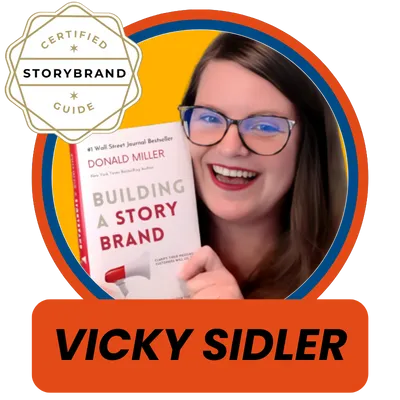
Vicky Sidler is an experienced marketing industry journalist and strategist with more than 15 years in journalism, content strategy, and digital marketing. As a Marketing News Reporter for Strategic Marketing Tribe, she covers breaking developments, trends, and insights that shape the marketing world—from AI in advertising to the latest in customer experience strategy.
Vicky is an award-winning StoryBrand Certified Guide and Duct Tape Marketing Certified Strategist, combining two of the most effective marketing frameworks to help small businesses simplify their message and build marketing systems that work. Her journalism background ensures every piece she writes is fact-checked, insightful, and practical.
Her articles regularly analyze key marketing trends, platform updates, and case studies—offering small business owners, marketers, and industry professionals clear, actionable takeaways. She specializes in topics such as:
Digital marketing strategy
Content marketing and brand storytelling
Marketing technology and automation
AI’s impact on marketing
StoryBrand and Duct Tape Marketing best practices
Education & Credentials
BA in Journalism & English, University of Johannesburg
StoryBrand Certified Guide
StoryBrand Certified Coach
Duct Tape Marketing Certified Strategist
Over 20 years in journalism and marketing communications
Founder & CEO of Strategic Marketing Tribe
Winner of 50Pros Top 10 Global Leader award
Contact
Recent Work

Why Smart Businesses Are Ditching Free AI Tools in 2026
By Vicky Sidler | Published 6 January 2026 at 12:00 GMT+2
You finish a sensitive client proposal. You want to polish the tone, so you copy the whole thing into the free version of an AI tool. Five seconds later, it reads better. The invoice says R0.00. You feel clever.
You were not clever. You were generous.
By pasting that content into a public AI tool, you did not just use the software. You fed it. Your client data, pricing logic, positioning, and thinking may now live inside a system designed to learn from whatever people throw at it. This is the business version of holding a strategy meeting in a busy coffee shop and speaking slightly too loudly.
This article is based on recent AI research and industry commentary highlighting the growing risks of free public AI tools for professional work. The conversation has moved on from how to use AI to how to use it safely.
TL;DR:
Free AI tools often use your inputs to train future models
That can put client data, strategy, and IP at risk
Free tiers prioritise speed, not accuracy or privacy
Paid AI plans usually include data protection and better controls
Moving to private AI is a maturity step for serious businesses
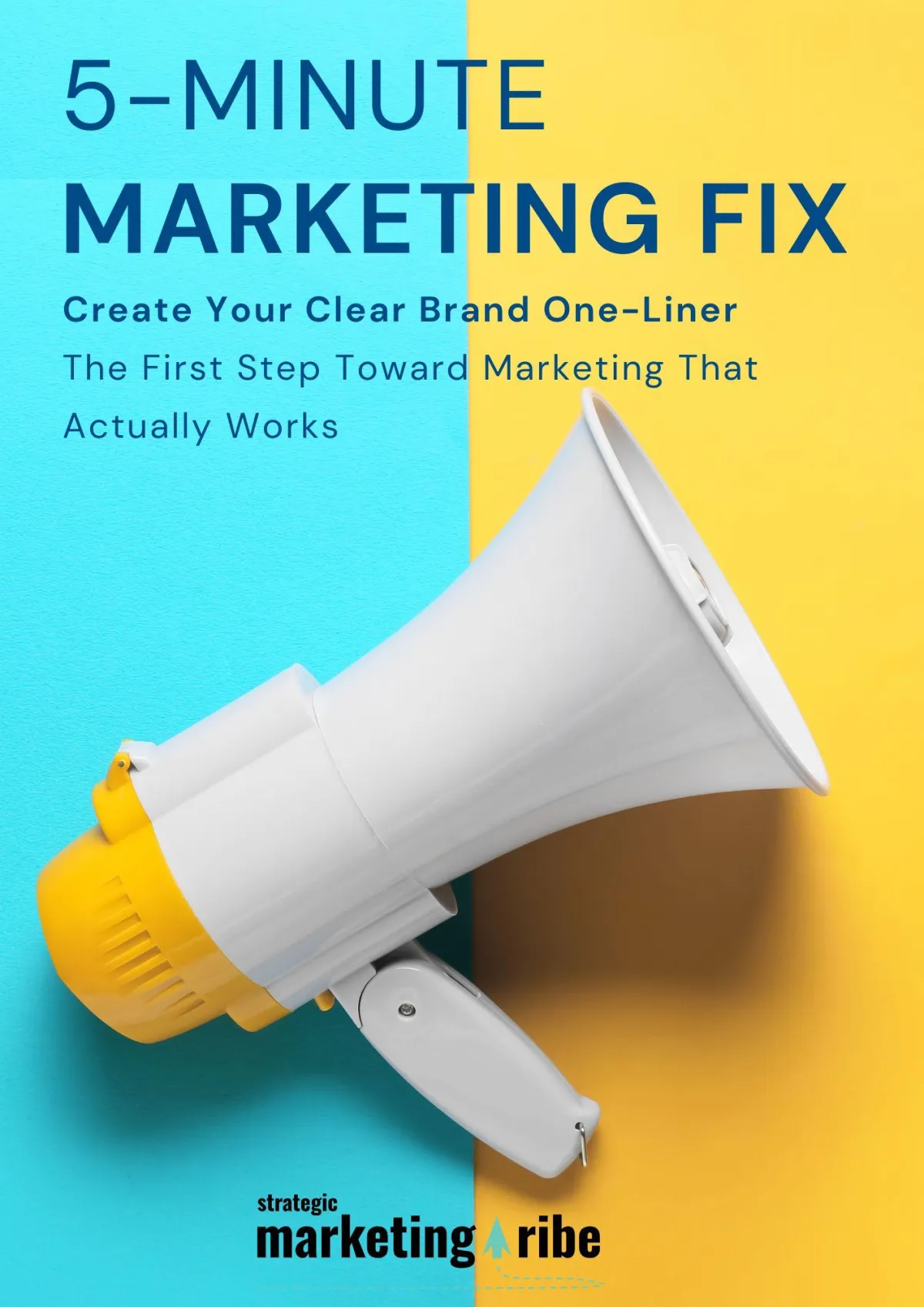
Need help getting your message right? Download the 5-Minute Marketing Fix.
Table of Contents:
Why Smart Businesses Are Ditching Free AI Tools in 2026
The Free Lunch That Is Not Free:
The Data Privacy Problem Most Owners Miss:
Intellectual Property and the Sea of Sameness:
When Free AI Gets Confident and Wrong:
A Practical Plan for Using AI Safely:
The Real Return on Investment:
1. Storytelling Beats Coding in the AI Economy
2. AI Search Is Replacing Google Traffic Faster Than You Think
3. OpenAI’s $27B Loss Could Tank the Whole AI Industry
4. AI SEO Is a Scam for Local Service Businesses
5. Performance Marketing Isn’t Real and Never Was
Frequently Asked Questions About Free AI Tools for Business
1. Is it safe to use free AI tools for client work?
2. Do free AI tools use my data to train their models?
3. Can using free AI tools put my business at risk under POPIA or GDPR?
4. What is the difference between free AI and paid AI plans?
5. Can I use free AI tools for marketing content safely?
6. Do I own the content created by free AI tools?
7. Why does AI sometimes give wrong or made up information?
8. Is paying for AI really worth the monthly cost for a small business?
The Free Lunch That Is Not Free:
There is a saying that nothing in business is truly free. Free AI proves this daily.
Most public AI tools are not charities. They are data businesses. When you use a free tier, the trade is simple. You get convenience. They get information. That information helps improve the model for everyone else.
If you paste in a client list to clean it up, that data enters a collective brain. If you upload a proposal to improve the wording, that thinking may no longer be just yours. You did not lose money. You lost control.
For personal curiosity, this is usually fine. For professional work, it is reckless.
The Data Privacy Problem Most Owners Miss:
Many small business owners assume privacy rules only apply to large companies. They do not.
In South Africa, POPIA requires businesses to protect personal information. In Europe, GDPR does the same. If you handle client details, contracts, medical information, or financial data, you are responsible for how that data is used and stored.
Pasting sensitive information into a public AI tool that trains on user input creates a compliance problem. You cannot explain to a regulator that the data leak was an accident caused by convenience.
This is not theoretical. Samsung engineers famously leaked proprietary code by pasting it into a public AI tool. If a global tech company can make that mistake, a small agency working late on a deadline has no chance of avoiding it by luck alone.
Intellectual Property and the Sea of Sameness:
There is another quieter cost to free AI. It makes everyone sound the same.
When you and your competitors use the same free tools with similar prompts, the output starts to blur together. The language becomes average. The ideas feel familiar. The voice loses its edge.
It is like buying a stock photo. It works, but five other businesses down the road are using the exact same image.
There is also the issue of ownership. In many regions, raw AI output cannot be copyrighted. If your brand slogans, messaging, or creative assets are generated entirely by free AI tools, you may not actually own them. That is an awkward discovery to make after investing time and money into a brand refresh.
When Free AI Gets Confident and Wrong:
Free AI tools are built for speed and scale. Accuracy is not the main feature.
Smaller models answer quickly and confidently, even when they are guessing. This is where hallucinations appear. A hallucination is a plausible answer that happens to be incorrect.
Imagine a financial coach using a free AI tool to draft a tax tip for a newsletter. The tool invents a rule that sounds reasonable. The coach trusts it and sends it out. The correction arrives later, after clients have already read and shared it.
Reputation damage does not come with a refund.
Accuracy is a premium feature, and even then it’s not always guaranteed. Free tools offer convenience, not certainty.
A Practical Plan for Using AI Safely:
This is not a call to abandon AI. It is a call to stop using public tools for private work.
Start with an audit. Look at what you and your team paste into AI tools. If it involves clients, pricing, strategy, or internal thinking, it should not be going into a free system.
Next, pay for privacy. Paid AI plans usually include a clear promise that your data will not be used for training—although this isn’t necessarily true for all of them, so read the fine print. But generally, for a small monthly fee, you get containment. It is one of the cheapest insurance policies available to a modern business.
Finally, own your voice. Use AI to organize ideas, spot gaps, or improve clarity. Write the final version yourself or with a human editor. Your brand should sound like you, not like a helpful robot with good manners.
The Real Return on Investment:
The most expensive tool in business is a free one that breaks trust.
Moving from free AI to private AI is not a technical upgrade. It is a maturity milestone. It signals that your business has moved from hobby mode to professional operation.
AI can take a seat at the boardroom table; it should not be used as a loudspeaker in the public square. Spend a little to protect your data, your clients, and your advantage.
If you want help clarifying your message before AI ever gets involved, download the free 5-Minute Marketing Fix. It will help you start with one clear sentence that explains what you do and why it matters to your ideal audience.
Related Articles:
1. Storytelling Beats Coding in the AI Economy
This article builds on the risk theme by showing why creativity and human storytelling matter more as AI floods the market with average content. It explains how brand voice becomes your real competitive edge when everyone uses the same tools.
2. AI Search Is Replacing Google Traffic Faster Than You Think
If you are protecting your internal data by avoiding free AI tools, you still need to understand how AI engines discover and recommend businesses. This piece explains how AI search works and what small businesses should do to stay visible.
3. OpenAI’s $27B Loss Could Tank the Whole AI Industry
This article explains why free AI is not truly free by unpacking the financial pressure behind large models. It gives helpful context for why data collection is central to the business model.
4. AI SEO Is a Scam for Local Service Businesses
Just like free AI tools promise easy wins with hidden costs, AI SEO tools often sell shortcuts that do not work. This article helps business owners avoid another category of risky automation.
5. Performance Marketing Isn’t Real and Never Was
If this article resonated because you value long term thinking over quick fixes, this one continues that mindset. It challenges another popular marketing illusion and explains why strategy always beats tactics.
Frequently Asked Questions About Free AI Tools for Business
1. Is it safe to use free AI tools for client work?
Free AI tools are not a safe place for client work. Anything you paste into a public AI tool may be stored or used for training, which creates risks around confidentiality, data protection, and compliance.
2. Do free AI tools use my data to train their models?
Most free AI tools reserve the right to use user inputs to improve their models. This means your content, ideas, or data can become part of a shared system rather than staying private.
3. Can using free AI tools put my business at risk under POPIA or GDPR?
Yes. If you handle personal or sensitive information, using public AI tools can create compliance issues. You remain responsible for protecting that data, even if it was shared unintentionally.
4. What is the difference between free AI and paid AI plans?
Free AI plans prioritise access and speed, while paid plans usually include privacy protections, better accuracy, and clearer rules around data usage. Paid plans are designed for professional and commercial use.
5. Can I use free AI tools for marketing content safely?
Free AI tools are generally safe for high level brainstorming or idea generation, as long as no confidential information is included. They should not be used to finalise client facing content without human review.
6. Do I own the content created by free AI tools?
In many regions, you cannot fully copyright raw AI generated content. This can create ownership issues if your brand assets rely heavily on free AI output.
7. Why does AI sometimes give wrong or made up information?
AI predicts what a correct answer should look like based on patterns in data. When it lacks reliable information, it may generate confident but incorrect responses, known as hallucinations.
8. Is paying for AI really worth the monthly cost for a small business?
For most businesses, the cost of a paid AI plan is far lower than the cost of a data breach, compliance issue, or damaged reputation. It is often one of the simplest risk reduction decisions.
9. What should I never paste into a free AI tool?
You should avoid pasting client details, contracts, pricing strategies, internal documents, legal information, or anything you would not be comfortable sharing publicly.
10. How should small businesses use AI responsibly?
AI works best as a support tool for research, structure, and clarity. Final decisions, messaging, and sensitive work should always be reviewed and owned by a human.

Is your Marketing Message so confusing even your own mom doesn’t get it? Let's clarify your message—so everyone wants to work with you!



Created with clarity (and coffee)
Mail
WhatsApp
LinkedIn
Website