

StoryBrand South Africa Certified Guide & Coach | Duct Tape Marketing Consultant

About Vicky Sidler
Marketing News Reporter & Industry Journalist
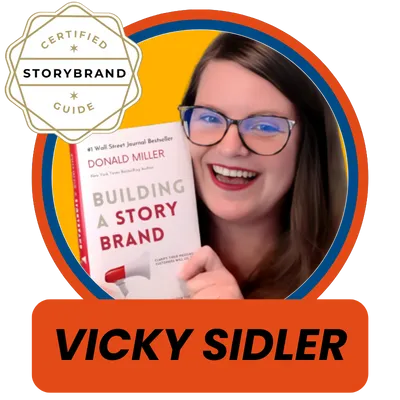
Vicky Sidler is an experienced marketing industry journalist and strategist with more than 15 years in journalism, content strategy, and digital marketing. As a Marketing News Reporter for Strategic Marketing Tribe, she covers breaking developments, trends, and insights that shape the marketing world—from AI in advertising to the latest in customer experience strategy.
Vicky is an award-winning StoryBrand Certified Guide and Duct Tape Marketing Certified Strategist, combining two of the most effective marketing frameworks to help small businesses simplify their message and build marketing systems that work. Her journalism background ensures every piece she writes is fact-checked, insightful, and practical.
Her articles regularly analyze key marketing trends, platform updates, and case studies—offering small business owners, marketers, and industry professionals clear, actionable takeaways. She specializes in topics such as:
Digital marketing strategy
Content marketing and brand storytelling
Marketing technology and automation
AI’s impact on marketing
StoryBrand and Duct Tape Marketing best practices
Education & Credentials
BA in Journalism & English, University of Johannesburg
StoryBrand Certified Guide
StoryBrand Certified Coach
Duct Tape Marketing Certified Strategist
Over 20 years in journalism and marketing communications
Founder & CEO of Strategic Marketing Tribe
Winner of 50Pros Top 10 Global Leader award




Contact
Recent Work

YouTube AI Tools Are a Trap if You Use Them Wrong
By Vicky Sidler | Published 7 January 2026 at 12:00 GMT+2
I opened my YouTube Studio this week and saw something new.
The “Research” tab had been renamed to “Inspiration.” Cute. But that wasn’t the weird part.
Instead of just showing me trending search terms, it offered a full video idea. Title. Thumbnail concept. Three-part outline. I could practically smell the script formatting itself.
It was efficient. It was smart. It was… deeply unsettling.
If YouTube is telling me what to make, and it’s also telling you what to make, who exactly is doing the creating? At some point, we stop being creators and start being quiet employees of the algorithm.
Welcome to the YouTube AI Paradox.
TL;DR:
YouTube encourages creators to use AI tools for inspiration
But the platform will demonetize content that feels repetitive or programmatically generated
This creates a trap: AI can help brainstorm, but cannot replace real human input
Originality still wins. If a bot could make it, you shouldn’t post it
👉 Need help getting your message right? Download the 5-Minute Marketing Fix.
Table of Contents:
YouTube AI Tools Are a Trap if You Use Them Wrong
The AI Suggestion Tab Feels Like Cheating. Because It Sort of Is.
The Echo Chamber Loop—Algorithm Feeds Algorithm:
The Temptation of Convenience (And What It Costs You):
How to Use YouTube’s AI Without Losing Your Voice:
Use AI for the skeleton. You still need to add the organs.
Rather Focus On Marketing That Actually Works:
1. AI Search Is Replacing Google Traffic Faster Than You Think
2. OpenAI’s $27B Loss Could Tank the Whole AI Industry
3. Influencer Marketing ROI in 2025: Why It’s Still Winning
4. Performance Marketing Isn’t Real and Never Was
5. Marketing Hourglass Explained: A Smarter Way to Grow Your Small Business
Frequently Asked Questions About YouTube AI Tools and Content Rules
1. Is AI-generated content allowed on YouTube in 2026?
2. Can YouTube demonetize videos made with AI tools?
3. What is the YouTube Inspiration tab, and how does it work?
4. Is the YouTube Inspiration tab the same as the old Research tab?
5. Will using YouTube’s AI suggestions hurt my channel?
6. How can YouTube tell if content is mass-produced or low-effort?
7. Can small businesses safely use AI for YouTube content?
8. What is the Dead Internet Theory, and why does it matter for creators?
9. How do I make my YouTube videos feel more human when using AI tools?
10. Should I stop using AI tools for content creation altogether?
11. Does YouTube monetize AI content differently from human content?
12. What is the safest way to use AI tools for YouTube marketing?
13. How does this affect service-based businesses using YouTube?
14. What should I focus on instead of chasing the algorithm?
15. How can I simplify my marketing message across platforms?
The AI Suggestion Tab Feels Like Cheating. Because It Sort of Is.
YouTube says the “Inspiration” tab is meant to help you overcome creative blocks. It pulls from what’s trending and hands you a structure to follow.
It’s like a free marketing intern who never sleeps and doesn’t charge hourly.
But here’s the problem. That same company just updated its policies to crack down on what it calls “mass-produced, repetitive, or programmatically generated” content. YouTube has warned that content without clear human value might lose monetization privileges or even be removed altogether.
So now we’re in the odd position of being handed a tool… and warned not to use it too well.
Use AI to brainstorm, but not to write. To plan, but not to produce. To research, but never to automate.
If that’s not mixed messaging, I’m not sure what is.
The Echo Chamber Loop—Algorithm Feeds Algorithm:
Here’s the real issue, and it goes far beyond YouTube.
The “Inspiration” tab recommends content based on what’s already working. That means it feeds you suggestions that are already popular. You publish those. More people do the same. The cycle repeats.
And before you know it, the platform is full of slightly different versions of the same three ideas.
The weird, risky, brilliant stuff disappears.
This is where the “Dead Internet Theory” creeps in—the belief that bots are creating content for bots, and humans are just scrolling through a synthetic loop of recycled ideas. YouTube’s AI tools, while helpful, could speed up that collapse if we stop asking real questions and start clicking “accept” without thinking.
As a creator, that means you’re not innovating. You’re just echoing.
The Temptation of Convenience (And What It Costs You):
Let’s be honest. If you’re a business owner making content to support your brand, you probably don’t have a spare eight hours to storyboard every week. When an AI tool gives you a shortcut, it feels like a gift.
But convenience has a cost. And that cost is usually originality.
Here’s the test: If your competitor could click the same button and get the same outline in five seconds, are you building something unique—or something replaceable?
AI tools are not the enemy. But they do make it easy to blend in. And blending in is the fastest way to become invisible.
How to Use YouTube’s AI Without Losing Your Voice:
The trick isn’t to avoid AI. It’s to use it without handing it the steering wheel.
Let it suggest topics. Let it help you break through the blank page. But then take back control.
If AI gives you a topic like “The Rise of AI in Marketing,” don’t settle for a generic explainer. Add a real story. Share the time a client used AI wrong and lost a week of sales. Or explain what you learned from your own experiments.
That’s the difference between content that feels human and content that feels like a spreadsheet came to life.
Use AI for the skeleton. You still need to add the organs.
The best YouTube strategy right now is simple:
Start with what the algorithm wants
Add what only you can say
Ignore the rest
You’re not here to feed the algorithm. You’re here to connect with people.
And those people can tell the difference between auto-generated slop and something made with care.
Rather Focus On Marketing That Actually Works:
We’re heading into a strange time where small businesses are expected to do everything—run the company, create content, manage platforms, and somehow stay original.
That’s where clarity becomes your most valuable tool.
When your message is simple and sharp, you don’t need 50 videos. One great one will do.
If you need help getting clear, I’ve created a short and practical guide called the 5-Minute Marketing Fix that helps you write a one-liner your audience instantly understands.
Related Articles:
1. AI Search Is Replacing Google Traffic Faster Than You Think
If YouTube’s AI tools make you uneasy, this article explains why the same shift is already reshaping Google search. It shows how AI answers are reducing clicks and why originality now matters more than optimisation tricks.
2. OpenAI’s $27B Loss Could Tank the Whole AI Industry
This piece explains the financial pressure behind platforms pushing AI tools so aggressively. It gives context to why YouTube wants mass adoption while also tightening the rules, and why betting your whole strategy on AI could be risky.
3. Influencer Marketing ROI in 2025: Why It’s Still Winning
If this article made you question algorithm driven content, this one shows why human connection still outperforms automation. It breaks down why real people recommending real brands consistently deliver better returns.
4. Performance Marketing Isn’t Real and Never Was
The YouTube AI trap promises fast results with minimal effort. This article tackles the same mindset in paid marketing and explains why chasing shortcuts often leads to shallow results and fragile growth.
5. Marketing Hourglass Explained: A Smarter Way to Grow Your Small Business
Instead of creating content just because an AI suggested it, this guide helps you map content to real customer behaviour. It shows how to create marketing that supports trust, loyalty, and referrals rather than just feeding platforms.
Frequently Asked Questions About YouTube AI Tools and Content Rules
1. Is AI-generated content allowed on YouTube in 2026?
Yes, AI-generated content is allowed on YouTube, but only if it adds clear human value. YouTube is targeting repetitive, mass-produced, or low-effort content that feels automated rather than created with intent.
2. Can YouTube demonetize videos made with AI tools?
Yes. YouTube can remove monetization if content is judged to be repetitive, inauthentic, or programmatically generated. Using AI for ideas is fine, but relying on it to produce entire videos increases the risk.
3. What is the YouTube Inspiration tab, and how does it work?
The Inspiration tab suggests video ideas based on trending searches and viewer behavior. It helps with brainstorming, but it is not meant to replace your own thinking, experience, or perspective.
4. Is the YouTube Inspiration tab the same as the old Research tab?
It replaces the Research tab with a broader focus. Instead of only showing keywords, it now suggests topics, titles, and outlines based on what the algorithm believes will perform well.
5. Will using YouTube’s AI suggestions hurt my channel?
Using the suggestions alone will not hurt your channel. Problems arise when creators publish content that closely follows AI-generated outlines without adding originality, personal insight, or unique value.
6. How can YouTube tell if content is mass-produced or low-effort?
YouTube looks at patterns such as repetition, lack of originality, minimal variation between videos, and signals that content was generated at scale. Human storytelling, opinion, and experience help differentiate real content from automation.
7. Can small businesses safely use AI for YouTube content?
Yes, if AI is used as a support tool rather than a replacement. It works best for research, planning, and structure, while the message, examples, and voice should come from the business owner.
8. What is the Dead Internet Theory, and why does it matter for creators?
The Dead Internet Theory suggests much of the internet is being filled with bot-generated content consumed by other bots. For creators, this matters because audiences still crave human connection and authenticity, which automated content struggles to provide.
9. How do I make my YouTube videos feel more human when using AI tools?
Add personal stories, real client experiences, opinions, and lessons learned. If a competitor could publish the same video by clicking one button, it needs more human input.
10. Should I stop using AI tools for content creation altogether?
No. AI can save time and reduce friction when used thoughtfully. The key is balance. Let AI help with the skeleton, but make sure the heart of the content comes from you.
11. Does YouTube monetize AI content differently from human content?
YouTube does not label monetization based on whether AI was used, but on whether the content provides value. Videos that feel automated or repetitive are more likely to lose monetization regardless of how they were created.
12. What is the safest way to use AI tools for YouTube marketing?
Use AI to understand trends, generate rough ideas, or overcome creative blocks. Then step in with your own insight, experience, and clear message so the final content feels intentional and original.
13. How does this affect service-based businesses using YouTube?
Service businesses rely heavily on trust. Content that feels generic or automated can weaken credibility, while videos that explain real problems, processes, and outcomes help build authority.
14. What should I focus on instead of chasing the algorithm?
Focus on clarity, relevance, and usefulness for real people. Algorithms change often, but clear messaging and genuine insight continue to attract the right audience over time.
15. How can I simplify my marketing message across platforms?
Start with one clear sentence that explains what you do, who you help, and why it matters. That clarity makes it easier to create content that feels consistent and human, even when using AI tools.
Need help getting that clarity in place? Download the5 Minute Marketing Fix and start with one message that actually makes sense to your audience.


Is your Marketing Message so confusing even your own mom doesn’t get it? Let's clarify your message—so everyone wants to work with you!



Created with clarity (and coffee)
Mail
WhatsApp
LinkedIn
Website