
Real news, real insights – for small businesses who want to understand what’s happening and why it matters.

AI Skills Gap Explained—Why Some Tools Improve Fast
By Vicky Sidler | Published 3 December 2025 at 12:00 GMT+2
Ever notice how AI tools that write your emails still kinda sound like your old high school group project partner? Polite. Predictable. Just helpful enough.
Meanwhile, AI coding tools have gone full Tony Stark, writing production-ready code while you’re still trying to get through your inbox.
That split is not your imagination. And it’s not just because engineers get the fun toys. According to TechCrunch, it’s because of something called the reinforcement gap—and once you see it, you won’t unsee it.
TL;DR:
Some AI tools are improving faster than others
Coding tools are speeding ahead thanks to something called reinforcement learning
This method only works if results can be tested and scored automatically
Writing, emails, and customer chats are slower to improve because quality is hard to measure
The gap between fast-improving skills and slower ones is shaping the future of business automation
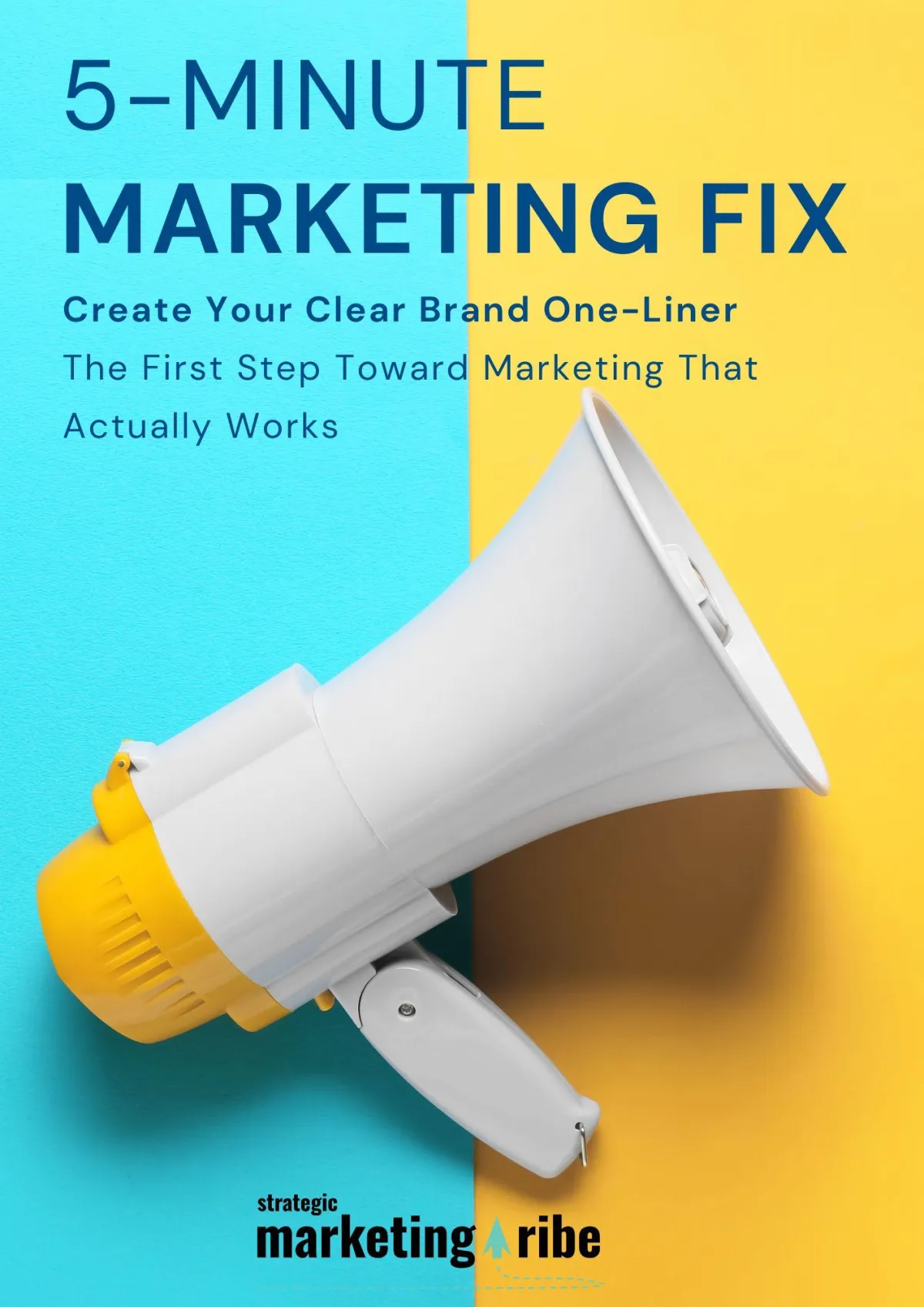
👉 Need help getting your message right? Download the 5 Minute Marketing Fix.
Table of Contents:
AI Skills Gap Explained—Why Some Tools Improve Fast
Why AI Is So Good at Coding but Not at Writing:
Some Skills Are Just Easier to Train Than Others:
The Reinforcement Gap Is Already Shaping AI Products:
Can You Close the Gap? It Depends What You’re Automating:
What This Means for Small Businesses:
How To Apply This To Your Marketing:
1. AI Actually Sucks At Your Job—Just Ask LinkedIn
2. AI Slop Is Breaking the Internet—Here’s What Small Brands Can Do
3. AI Replacing Humans Backfires—What CEOs Miss
4. Risks and Artificial Intelligence: What Small Businesses Must Know
5. How AI Is Really Changing Marketing (And What Small Businesses Should Do)
Frequently Asked Questions About the AI Skills Gap
2. What is reinforcement learning and why does it matter?
3. Why is AI getting better at code but not emails?
4. Will AI get better at writing in the future?
5. Can businesses close the skills gap in their own AI tools?
6. What types of jobs are most likely to be automated next?
7. What should small business owners automate first?
9. How does this relate to marketing?
10. Where can I go to fix my messaging if AI tools keep falling short?
Why AI Is So Good at Coding but Not at Writing:
Let’s start with how AI learns.
Coding tools are benefiting from a specific type of training called reinforcement learning, or RL for short. That means the system learns by trying something, checking if it worked, and adjusting.
Kind of like training a dog. Did it sit? Yes? Treat.
Did it write working code that passes tests? Yes? Great. Repeat a billion times.
That’s what’s happening under the hood with tools like GPT-5, Gemini 2.5, and Sonnet 4.5. These models are writing code, running it through unit tests, and learning fast because the system knows what "working" looks like.
Now compare that to writing an email. What makes a good email? Tone? Clarity? Persuasiveness? Whether it got a reply?
Who decides? And can that decision be turned into a yes-or-no result for a billion training rounds?
That’s the problem.
Some Skills Are Just Easier to Train Than Others:
Reinforcement learning thrives on rules and scores. If your AI writes code that compiles and passes all tests, the system can mark that as a win without asking a human.
But if your AI writes a quarterly financial report or handles a customer service chat? Suddenly we’re in subjective territory. What’s “good” becomes a matter of opinion.
And AI doesn’t learn well from opinions.
It learns best from facts. Win or fail. Compile or crash.
So the gap forms. Coding, math, and other “testable” skills get smarter fast. Writing, customer service, marketing, and anything subjective? Slower growth.
The Reinforcement Gap Is Already Shaping AI Products:
The “reinforcement gap” is the growing divide between skills that benefit from RL and those that don’t.
Right now, AI coding tools are pushing boundaries. Developers are using them to find bugs, write new features, and run tests faster than ever. This isn’t theory. It’s happening now, at scale.
Meanwhile, customer service bots still can’t answer basic questions without sounding like they swallowed a helpdesk manual. Email tools are more confident, but not more insightful. And marketers? Still editing AI copy for tone, clarity, and accuracy.
If you’ve wondered why some AI tools seem to be racing ahead while others feel stuck in place, this is why.
Can You Close the Gap? It Depends What You’re Automating:
Not every task fits neatly into “easy to test” or “hard to test.” You might not have a ready-made testing kit for your quarterly board report, but a smart team could build one.
That’s why some startups will pull ahead. They’ll figure out how to turn soft tasks into hard data. Once they do, they can use reinforcement learning to train their AI systems more effectively.
If you’re a founder, that’s worth thinking about. If you’re a team member, it’s worth preparing for. Because if your task is easy to automate with RL, someone will eventually automate it.
What This Means for Small Businesses:
The reinforcement gap isn’t just about AI nerds fighting over model architecture. It’s about what gets automated next.
If your business relies on code, compliance, or repetitive checklists, you’ll probably see useful automation tools show up first.
If your business relies on writing, empathy, creativity, or conversation? You’ve got more time. But those tools will come too—just slower.
What you can do now:
Use AI where results are easy to measure (like code, math, or structured forms)
Be cautious with AI for subjective tasks like brand voice or tone
Look for ways to turn messy human processes into simple score-based ones
Upskill your team in AI literacy so you’re ready for what comes next
How To Apply This To Your Marketing:
The same principles apply in marketing. Confusion is hard to measure. Clarity is easier.
If your brand message is subjective, vague, or inconsistent, no AI tool can save you. But if your message is clear and structured, even simple tools can help you scale it.
That’s why I built the 5 Minute Marketing Fix. It helps you write one clear sentence that describes what your business does and why it matters. No fluff. No guesswork.
Related Articles:
1. AI Actually Sucks At Your Job—Just Ask LinkedIn
If you’re wondering why AI still writes like a bored intern, this post breaks down how writing tasks have lagged behind—and what to do instead.
2. AI Slop Is Breaking the Internet—Here’s What Small Brands Can Do
The reinforcement gap explains why some AI tools are struggling. This post explains what to do when bad AI content floods your niche.
3. AI Replacing Humans Backfires—What CEOs Miss
If you’re tempted to automate everything, this one’s your reality check. It shows how poor automation choices can cost more than they save.
4. Risks and Artificial Intelligence: What Small Businesses Must Know
Understanding how AI learns is one thing. This article goes further, showing how small businesses can use AI responsibly and still build trust.
5. How AI Is Really Changing Marketing (And What Small Businesses Should Do)
Once you understand the gap, this post helps you apply it. Learn which marketing tasks AI can do well now—and which ones still need your brain.
Frequently Asked Questions About the AI Skills Gap
1. What is the AI skills gap?
The AI skills gap refers to the difference in how quickly AI tools improve at certain tasks. Skills like coding improve faster because they can be automatically tested and scored, while writing or customer service tasks improve slowly since they are harder to measure.
2. What is reinforcement learning and why does it matter?
Reinforcement learning (RL) is how some AI systems learn by trial and error. They try something, get feedback on whether it worked, then adjust. It’s especially powerful when tasks have clear right-or-wrong outcomes, like passing a code test.
3. Why is AI getting better at code but not emails?
Coding has pass-fail tests that can be run millions of times without human help. Emails don’t. Writing something “good” is subjective, so it’s harder for the system to know what to improve.
4. Will AI get better at writing in the future?
Maybe, but not as quickly. Unless we find a reliable way to measure writing quality at scale, writing tools will keep improving slower than tools for tasks that can be scored more objectively.
5. Can businesses close the skills gap in their own AI tools?
Sometimes. If you can figure out how to turn a soft skill (like writing or analysis) into a clear, testable process, you can train AI on it more effectively. Some startups are doing exactly that.
6. What types of jobs are most likely to be automated next?
Tasks with clear outcomes, lots of data, and repeatable steps—like bug-fixing, simple accounting, or compliance checks—are more likely to be automated than subjective or creative work.
7. What should small business owners automate first?
Start with tasks that have a clear “right answer,” like calendar bookings, invoice generation, or simple data entry. Leave the creative, emotional, or nuanced work to humans for now.
8. Is this gap a bad thing?
Not necessarily. It just means businesses need to be strategic about where they use AI. The tools are improving, but they still have limits—and knowing those limits helps you avoid wasted time or mistakes.
9. How does this relate to marketing?
Marketing tasks that involve structure and testing—like A/B testing headlines or sending follow-up emails—can be automated. But messaging, voice, and storytelling still need your brain (or a StoryBrand Certified Guide).
10. Where can I go to fix my messaging if AI tools keep falling short?
Start with the5 Minute Marketing Fix. It helps you write one clear sentence that explains what your business does and why it matters—no robot needed.

Strategic Marketing Tribe helps established service businesses turn underperforming marketing into more predictable growth with the Failure-Proof Marketing System.






Created with clarity (and coffee)