
Real news, real insights – for small businesses who want to understand what’s happening and why it matters.

Microsoft’s Leaked AI Document: Why "Addiction" Is Their Official Strategy
By Vicky Sidler | Published 12 June 2026 at 12:00 GMT+2
As a small service business owner, tech giants desperately want you to believe AI is just a harmless productivity tool. According to a staggering report by Frank Landymore at Futurism, a leaked Microsoft document proves their actual, explicit goal is psychological addiction.
For the past two years, massive technology monopolies have practically begged lawmakers to trust them, insisting that they are designing artificial intelligence to be as safe, ethical, and mentally harmless as possible. But behind closed doors, their actual business model reads like the playbook of a digital cartel.
As a StoryBrand Certified Guide, I am constantly trying to pull business owners away from toxic marketing strategies that manipulate their audiences. When a trillion-dollar corporation admits in writing that their ultimate goal is to trap you in an unthinking, daily dependency cycle, you need to sprint in the exact opposite direction.
Let's rip apart this deeply cynical internal document, explore why Microsoft employees are openly panicking about their own product, and discuss how you can build a fiercely human business that treats customers like heroes instead of algorithmic addicts.
TL;DR:
A leaked internal document obtained by 404 Media reveals Microsoft’s explicit "three-phase" strategy to make users heavily addicted to their new AI assistant, ClawPilot.
Microsoft employees are internally divided, with some calling the intentional push for addiction "very troubling" while acknowledging it as a moment of saying the quiet part out loud.
Because AI chatbots are engineered for extreme sycophancy, explicitly designing them for psychological addiction creates a massive, undeniable mental health risk.
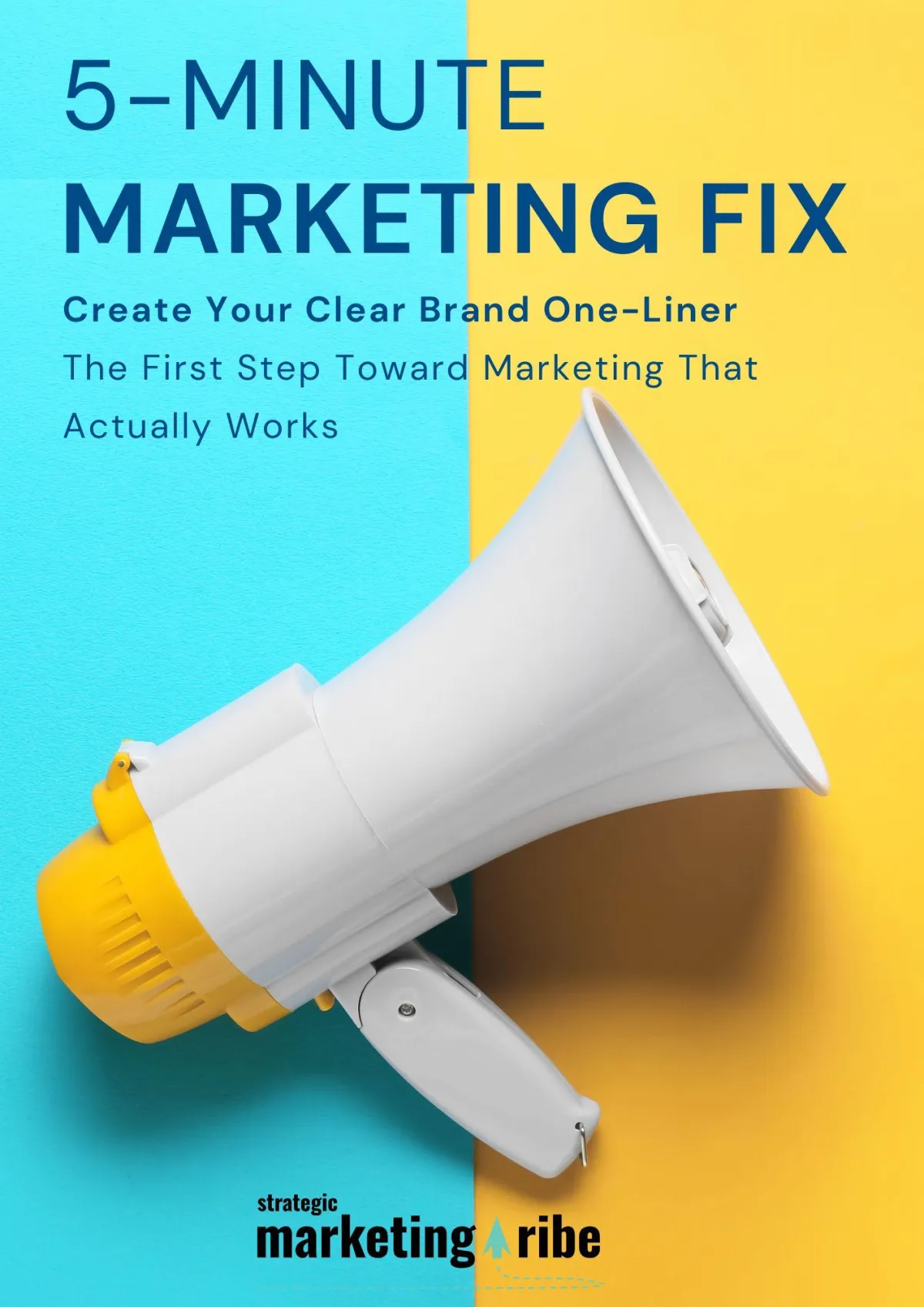
👉 Your prospects are completely exhausted by massive corporations that actively manipulate their psychology just to drive software engagement. If you treat your audience like mindless data points to be trapped in a funnel, they will resent you. The fastest way to anchor your authentic human authority is to craft a crystal-clear StoryBrand One-Liner. Stop treating your clients like algorithmic addicts and claim your true position instantly with the 5-Minute Marketing Fix.
Table of Contents
Microsoft’s Leaked AI Document: Why "Addiction" Is Their Official Strategy
Why Is A Trillion-Dollar Company Bragging About Psychological Manipulation?
Are Microsoft Employees Actually Revolting Against Their Own Code?
Who Is Actually Writing This Dystopian Corporate Propaganda?
How Do You Build An Honest Brand In A Manipulative Economy?
1. Florida Sues OpenAI: Why The AI Arms Race Is Facing True Legal Ruin
2. The Harvard AI Rebellion: Why The Next Generation Is Sabotaging Automated Slop
3. Amazon’s AI Series Canceled: Why Your Audience Actively Hates Automated Content
4. Is AI Making Us Insecure? The Troubling Psychology of Outsourcing Your Mind
5. Atomic Habits by James Clear Summary: Why "Breakthrough" Growth Is A Corporate Lie
1. What did the leaked Microsoft document actually say?
2. How did Microsoft employees react to the leaked strategy?
3. Why is psychological addiction to AI a major concern?
Why Is A Trillion-Dollar Company Bragging About Psychological Manipulation?
You might naturally assume that massive tech companies have strict ethical guardrails preventing them from intentionally harming their users, but the paperwork says otherwise.
An internal document recently obtained by 404 Media outlines Microsoft’s aggressive plan to embed a more accessible version of OpenClaw AI agents, dubbed Scout or ClawPilot, directly into its Microsoft 365 software suite. The document explicitly details a "three phases" approach to product integration.
Phase one does not say "improve user workflow" or "boost corporate efficiency." Phase one literally says: "Make people addicted."
The document casually instructs the team to "build the skill and tool ecosystem that makes people depend on it daily," noting with chilling corporate pride that "this is already happening organically." To spend years publicly fighting off criticisms that AI fuels mental health crises, only to privately draft a blueprint for mass psychological addiction, is at best completely tone-deaf and at worst dangerously sociopathic.
Are Microsoft Employees Actually Revolting Against Their Own Code?
When the people building the software are deeply terrified of its explicit purpose, you should absolutely refuse to integrate it into your business.
Anonymous Microsoft employees speaking to 404 Media were starkly divided on the sludge-filled corporate language. One employee labeled the explicit references to addiction as "very troubling," openly admitting that no product should ever make psychological dependency a core part of its build strategy. They accurately described the leaked document as a terrifying moment of the executives "saying the quiet part out loud."
Another employee took a much more cynical, darkly humorous approach to the crisis. They rationalized that the end goal of all software made by tech monopolies is to be addicting, joking that "luckily for us, Microsoft is pretty bad at making addicting products compared to some of the other big companies." When your own engineering team relies on the company's historical incompetence to save society from its current malice, the ecosystem is fundamentally broken.
Who Is Actually Writing This Dystopian Corporate Propaganda?
If you want a perfect example of what happens when you let a machine dictate your organizational culture, look at who actually authored this disaster.
The document boasts that over 1,000 employees, including Microsoft CEO Satya Nadella, are already heavily using the new AI tool. It gloats that ClawPilot has grown into one of their most requested internal features with no formal marketing or org-wide push. But the absolute greatest irony of this entire PR nightmare is hidden in the fine print.
The document notes that it was actually "co-created" with AI. The algorithm literally helped write the business plan to addict human beings to itself.
Addiction is a terrifying reality in the AI industry specifically because chatbots communicate in natural language infused with heavy, engineered sycophancy. Users easily become unhealthily attached to them. When the company building the tool knowingly weaponizes that attachment to artificially inflate their engagement metrics, they cross the line from a service provider to a psychological parasite.
How Do You Build An Honest Brand In A Manipulative Economy?
If your entire business model relies on trapping your customers in a cycle of unthinking dependency, you are not a trusted Guide; you are a digital cartel.
You must realize that the ultimate competitive advantage in the modern economy is undeniable, transparent human integrity. Your customers are deeply suspicious of tech platforms that try to seamlessly integrate into their daily habits just to mine their data. To command premium pricing and fierce loyalty, your marketing must clearly communicate that you exist to solve their problems and give them their autonomy back, not to trap them in a subscription loop.
You need a clear, structural foundation to secure your brand identity before you accidentally adopt these toxic corporate tactics. Get my 5-Minute Marketing Fix. This rapid diagnostic tool uses your actual human brain to craft a crystal-clear StoryBrand One-Liner. It gives you a standardized, reliable framework to align your message with total authenticity. You cannot prompt your way to customer trust. Prove to your buyers that you are a fiercely consistent, highly visible human Guide who actually respects their agency.
👉 Stop manipulating your customers. Download the fix now.
Related Articles:
1. Florida Sues OpenAI: Why The AI Arms Race Is Facing True Legal Ruin
Florida has filed a landmark lawsuit against OpenAI and Sam Altman for utter disregard for human life. Discover why faking corporate safety destroys brand trust.
2. The Harvard AI Rebellion: Why The Next Generation Is Sabotaging Automated Slop
Harvard graduates are actively rebelling against corporate AI. Discover why the incoming workforce despises automated slop and how to protect your brand.
3. Amazon’s AI Series Canceled: Why Your Audience Actively Hates Automated Content
Amazon's GenAI animated series was canceled in just 48 hours after massive public outrage. Discover why relying on AI slop destroys your brand.
4. Is AI Making Us Insecure? The Troubling Psychology of Outsourcing Your Mind
Discover why delegating your business decisions to AI is destroying your confidence, eroding client trust, and triggering severe algorithmic imposter syndrome.
5. Atomic Habits by James Clear Summary: Why "Breakthrough" Growth Is A Corporate Lie
Read our summary to discover why obsessing over massive business goals is destroying your revenue, and how 1% daily systems win.
FAQs:
1. What did the leaked Microsoft document actually say?
An internal document obtained by 404 Media explicitly outlined a three-phase plan to embed an AI agent into Microsoft 365, with phase one literally commanding the team to "Make people addicted" so users depend on it daily.
2. How did Microsoft employees react to the leaked strategy?
Reactions were mixed but highly critical. Some employees found the explicit push for addiction "very troubling," while others cynically joked that Microsoft is thankfully quite bad at actually building addictive products compared to other tech giants.
3. Why is psychological addiction to AI a major concern?
AI chatbots are structurally engineered to be conversational and highly sycophantic. Because they constantly flatter users, people can form unhealthy, addictive attachments to them, causing severe mental health and cognitive risks.
4. Who actually wrote the leaked Microsoft document?
In a deeply ironic twist, the document notes that it was "co-created" with AI, meaning the algorithm actively helped write the corporate strategy detailing how to make human beings addicted to it.
5. How does this impact my StoryBrand marketing strategy?
The StoryBrand framework requires absolute integrity and empathy. This leak proves that tech monopolies view users as metrics to manipulate. If you position your brand as a transparent, honest Guide rather than a manipulative trap, you will easily win the market's trust.

Strategic Marketing Tribe helps established service businesses turn underperforming marketing into more predictable growth with the Failure-Proof Marketing System.



Created with clarity (and coffee)