
Real news, real insights – for small businesses who want to understand what’s happening and why it matters.

AI Side Hustles 2026: 6 Big-Earning Opportunities Anyone Can Start
By Vicky Sidler | Published 27 December 2025 at 12:00 GMT+2
If your backup plan for extra income still includes selling secondhand lamps or driving strangers around in your car, 2026 might surprise you. Side hustles now look less like late-night gigs and more like small, scalable businesses—with AI doing the heavy lifting behind the scenes.
According to Ronin Management PTE, a consultancy that specializes in AI search visibility, the cost and complexity of starting a profitable business have dropped faster than your patience with corporate jargon. The new formula? A bit of curiosity, a free AI tool or two, and an internet connection.
TL;DR:
AI tools have made it cheaper and easier to launch a service-based business
Content, tutoring, chatbot builds, design gigs, dropshipping, and consulting are top earners
Most of these can be started solo with little more than basic tech skills
Choose one lane, start small, and build a simple system that works
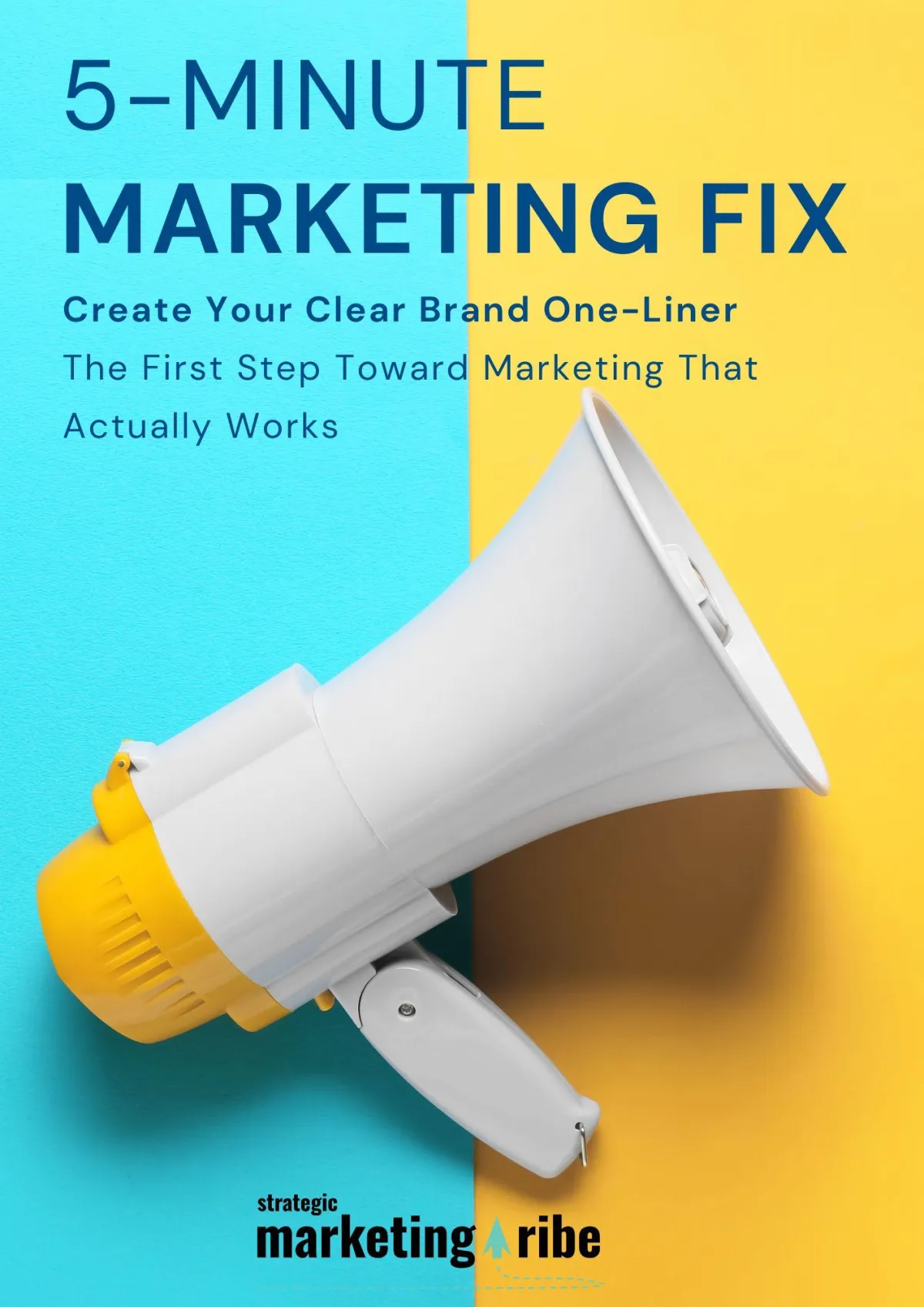
👉 Need help getting your message right? Download the 5-Minute Marketing Fix.
Table of Contents:
AI Side Hustles 2026: 6 Big-Earning Opportunities Anyone Can Start
Why AI Side Hustles Matter Now:
1. AI Content Creation Services:
2. AI Tutoring and Custom Learning Tools:
5. Automated Dropshipping or Print-on-Demand Stores:
6. AI-Led Consulting for SMEs:
AI Doesn’t Guarantee Success. But It Removes the Excuses.
1. AI Search Is Replacing Google Traffic Faster Than You Think
2. AI Content Is the New Default Says Ahrefs Study
3. AI Slop Is Flooding Social Media And Ruining Your Business
4. AI Research Is Not As Smart As You Think
5. Schema Markup Boosts SEO Without Extra Content
Frequently Asked Questions About AI Side Hustles in 2026
1. Do I need to know how to code to start an AI side hustle?
2. What is the best AI side hustle for beginners?
3. How much money can I realistically make?
4. Will AI eventually replace the need for my service?
5. How do I stand out when everyone is using the same tools?
6. What if I mess something up because the AI tool gave me wrong info?
7. How long will it take to get my first paying client?
8. What if I don’t know how to market myself?
Why AI Side Hustles Matter Now:
In the past, launching a business on the side meant months of prep, expensive tools, or a small army of freelancers. Now you can script videos, design logos, write SEO copy, and build chatbots from your kitchen table. The entry barrier has dropped to nearly zero.
Aaron Conway from Ronin Management explains, “You don’t need a design degree or production studio anymore. AI takes care of the complicated stuff so you can focus on serving a clear market.”
So what should small business owners and curious freelancers keep an eye on in 2026?
Let’s break down the six most promising AI-powered side hustles—plus how to make them work even if you’re starting from scratch.
1. AI Content Creation Services:
What it is: Using AI tools to create short videos, write product descriptions, or generate social media captions.
Why it works: Content is still king, and AI now edits video, writes scripts, and tailors messages to different platforms—all in minutes.
What you can charge: $500 to $2,000 per client monthly.
Quick tip: Small businesses are drowning in content needs. Offer “done-for-you” content bundles tied to their niche, and you’ll stand out.
2. AI Tutoring and Custom Learning Tools:
What it is: Using AI to build custom study plans, quizzes, and progress tracking tools for learners.
Why it works: Personalized learning sells. Parents, students, and professionals are all willing to pay for tools that make learning easier.
What you can charge: Depends on the subject, but recurring revenue models are common.
Quick tip: Package your service like a subscription box for brains. Monthly access, structured plans, and progress reports. Done.
3. Niche AI Chatbot Building:
What it is: Creating simple AI chatbots for small businesses to handle admin tasks like bookings, FAQs, and lead filtering.
Why it works: Most small business owners have no idea how to set these up. If you can, they’ll pay you to do it.
What you can charge: $1,000 to $3,000 for setup plus ongoing maintenance fees.
Quick tip: Focus on industries that lose time to repetitive admin: dental, legal, wellness, and home services. Solve one real problem and you’ll stay booked.
4. AI-Assisted Design Gigs:
What it is: Using AI to create logos, packaging, and social media designs without advanced design skills.
Why it works: Tools like Canva now include built-in AI suggestions. Clients care more about speed and branding than art school degrees.
What you can charge: $300 to $800 per project.
Quick tip: Brand packages (logo, banner, IG templates) sell better than one-off designs. Sell simplicity and consistency.
5. Automated Dropshipping or Print-on-Demand Stores:
What it is: Launching a niche online store where AI helps you research products, write listings, and generate designs.
Why it works: Zero inventory. Your job is to market, the supplier handles delivery. AI cuts your setup and management time by 70 percent.
Realistic outcome: Success depends on choosing a good niche. Think oddly specific, not “shirts for everyone.”
What to avoid: Generic motivational quotes. Please.
6. AI-Led Consulting for SMEs:
What it is: Helping small businesses figure out how to use AI to save time and improve processes.
Why it works: Most SMEs know AI is useful but have no clue where to begin. If you can connect a tool to a result, they’ll pay for clarity.
Income potential: $100 to $300 per hour, often with retainer options.
Quick tip: If you understand business pain points and can learn which tools solve what, this is the most scalable and highest-paying option on the list.
Where to Start:
Conway recommends a three-step launch plan:
Pick one path based on your interests or strengths.
Use free trials to learn the tools and build a small portfolio.
Offer discounted services to 2 or 3 real clients to get experience and testimonials.
Once you have those first three, it becomes much easier to charge full price and grow from there.
“Don’t try to master all six,” he says. “Focus on one and get good fast. The rest will follow.”
AI Doesn’t Guarantee Success. But It Removes the Excuses.
You still need to solve a real problem for a real person. But now you can do it faster, cheaper, and smarter than ever before.
And that’s the quiet magic of these new side hustles. They don’t just promise more income. They give you leverage. The kind that turns one afternoon of work into a week’s worth of results.
So if you’ve been waiting for the right time to start something, this might be it.
Download the 5 Minute Marketing Fix and get your message clear from day one. Because no matter how great your hustle, it only works if people understand what you do.
Related Articles:
1. AI Search Is Replacing Google Traffic Faster Than You Think
If you're considering the "AI-Led Consulting" path, this article shows exactly why it's in demand. It breaks down how AI is changing search—and how small businesses need help showing up.
2. AI Content Is the New Default Says Ahrefs Study
If you’re eyeing the content creation hustle, this article gives context on the competition. AI content is now the norm, so standing out means using AI better than your rivals.
3. AI Slop Is Flooding Social Media And Ruining Your Business
Worried your dropshipping store or design gig will get lost in the sea of generic content? Read this to learn what not to do—and how to keep quality high.
4. AI Research Is Not As Smart As You Think
Perfect for would-be AI tutors or consultants. This article outlines why double-checking AI outputs matters, especially when your clients rely on you to get it right.
5. Schema Markup Boosts SEO Without Extra Content
Add this to your consulting or chatbot service list. Schema is a simple upgrade with big impact—most clients don’t even know it exists, which makes you instantly valuable.
Frequently Asked Questions About AI Side Hustles in 2026
1. Do I need to know how to code to start an AI side hustle?
No. Most AI tools today are designed for non-technical users. You can build chatbots, design logos, or write content using drag-and-drop interfaces or simple prompts. If you can Google, you can probably use most of these tools.
2. What is the best AI side hustle for beginners?
The easiest place to start is usually AI content creation or AI-assisted design gigs. These require minimal setup, are in high demand, and don’t need advanced technical knowledge. You can also build a quick portfolio within days.
3. How much money can I realistically make?
It depends on the service, your pricing, and how many clients you serve. Some side hustles earn $500 a month. Others, like consulting or chatbot builds, can generate five figures if you scale and systemise. The key is repeatable value.
4. Will AI eventually replace the need for my service?
Not if you focus on solving human problems. AI can produce content or automate tasks, but it still needs your judgment, creativity, and understanding of real client needs. The value you bring is how you apply the tool, not the tool itself.
5. How do I stand out when everyone is using the same tools?
By being more strategic. Most people use AI for shortcuts. You should use it for quality. Take the time to understand your client’s business, personalise your offers, and create outputs that don’t feel generic or templated.
6. What if I mess something up because the AI tool gave me wrong info?
This is a real risk. That’s why you should always double-check anything AI generates—especially if you’re tutoring, consulting, or offering strategic advice. AI makes mistakes, and those mistakes become your reputation.
7. How long will it take to get my first paying client?
If you build a solid offer, target the right niche, and do some outreach, you could land a client within a few weeks. Offering a discounted first project in exchange for a testimonial is a smart way to build momentum fast.
8. What if I don’t know how to market myself?
Start by getting your message clear. Download the 5-Minute Marketing Fix and create one sentence that explains who you help, what you do, and why it matters. Clarity is half the battle.
9. Are there hidden costs I should know about?
Some AI tools offer free trials but charge monthly fees after. Always check the pricing page before you commit. That said, most of the tools mentioned in the blog have low-cost entry points compared to traditional software.
10. Can I turn a side hustle into a full business?
Absolutely. Many people start small and eventually replace their main income once they’ve built systems, referrals, and consistent clients. Start lean, stay focused, and grow as demand increases.

Strategic Marketing Tribe helps established service businesses turn underperforming marketing into more predictable growth with the Failure-Proof Marketing System.





Created with clarity (and coffee)