
NEWS, MEET STRATEGY
Real news, real insights – for small businesses who want to understand what’s happening and why it matters.
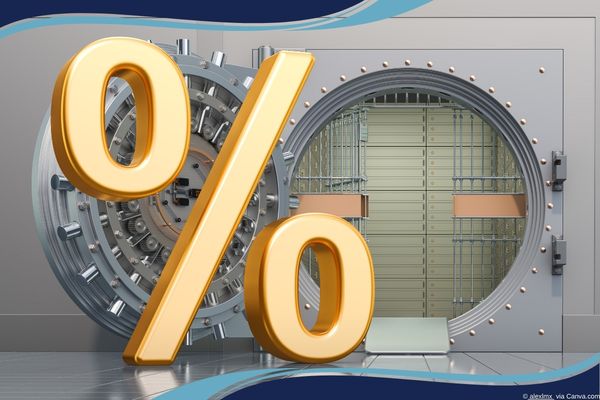
The Counter-Intuitive Truth About Why High Conversion Rates Can Actually Kill Growth
By Vicky Sidler | Published 26 March 2026 at 12:00 GMT+2
How exactly do you bankrupt a service business while staring at a marketing dashboard that insists you are wildly successful?
You do it by completely obsessing over a single, highly deceptive vanity metric. If you hire a marketing agency, they will inevitably point to a massive, climbing conversion rate and demand a round of applause. But according to a brilliant breakdown from Smart Insights and Graas, high conversion rates can, counter-intuitively, completely stifle your business growth.
Everyone assumes that converting a high percentage of your audience is the ultimate goal of business. But if your closing rate is suspiciously high, it usually means you are terrified of talking to strangers.
Before you pop a bottle of champagne over a 90% success rate, we need to look at why optimizing for the "easy win" is actually a massive red flag, and why lowering your conversion rate is the only way to actually scale your revenue.
TL;DR:
A suspiciously high conversion rate usually means you are only talking to a tiny, shrinking audience of brand loyalists who were already going to buy anyway.
Squeezing every last drop out of a saturated market drives up your cost per acquisition and hides declining profitability behind false positive metrics.
True business growth requires targeting a much larger, highly skeptical audience, meaning your conversion percentages must naturally drop as your actual revenue scales.
👉 If your marketing is only designed to catch the low-hanging fruit, your business will starve the second that fruit runs out. You must learn how to cultivate skeptical buyers. Download the 5-Minute Marketing Fix to spot exactly where your messaging is completely ignoring your largest, most lucrative audience.
Table of Contents:
The Counter-Intuitive Truth About Why High Conversion Rates Can Actually Kill Growth
Why Is A High Conversion Rate Actually A Massive Red Flag?
How Do Vanity Metrics Hide A Declining Profit Margin?
Why Do You Need To Embrace Lower Conversion Rates?
1. Ideal Client Profile: The Marketing Shortcut Small Businesses Miss
2. Content Marketing Strategy Framework Every Small Biz Needs
3. How Small Businesses Can Use Hub Pages
4. Positioning by Al Ries and Jack Trout Summary: Why Better Never Wins
5. AI Search Is Replacing Google Traffic Faster Than You Think
1. Why is a high conversion rate a bad sign for business growth?
2. How do high conversion rates hide declining profitability?
3. What is the difference between harvesting and cultivating customers?
4. Why should I intentionally aim for a lower conversion rate?
Why Is A High Conversion Rate Actually A Massive Red Flag?
Because it signals that your audience is aggressively shrinking.
There is a massive, systemic problem in the marketing industry called the "low-hanging fruit" trap. A very high conversion rate often means you are only converting people who already had extremely high intent, like your existing brand loyalists, your personal network, or direct referrals.
While that high percentage looks absolutely fantastic on a monthly report, it implies a catastrophic failure to reach broader, lukewarm audiences. By aggressively pursuing those easy wins, you trap yourself in a narrow, loyal segment. You eventually end up bidding against yourself in ad auctions to reach the exact same five people, resulting in severely diminishing returns.
But a shrinking audience is not the only thing that a high conversion rate is hiding from you.
How Do Vanity Metrics Hide A Declining Profit Margin?
They create a beautiful, highly expensive illusion of success.
When you instruct your marketing team to optimize solely for a high click-through rate or a high conversion rate, they will logically stop targeting new people. They will focus all their budget on squeezing every possible conversion from your small, existing audience. But when you repeatedly target a saturated market, your cost per acquisition skyrockets.
You are paying more and more money just to convince the exact same people to buy again. Your metrics look like a massive success, but your actual, long-term growth is completely stagnant, and your profit margins are quietly bleeding out.
If high percentages are actually killing your profitability, what metric should you be aiming for instead?
Why Do You Need To Embrace Lower Conversion Rates?
Because you cannot conquer new territory without facing a little rejection.
If you want to achieve sustainable growth, you must pivot your strategy to accept lower percentages in exchange for significantly higher volume. A lower conversion rate is often a completely natural, healthy sign of growth. It indicates that your marketing is finally reaching a wider, less-targeted audience that requires more nurturing.
You must transition from simply "harvesting" the easy wins to actively "cultivating" brand new customers.
This requires targeting highly skeptical segments who do not know you, do not trust you yet, and will not buy on the first click. Instead of obsessing over immediate, cheap conversions, you must build durable customer acquisition funnels. But if your website copy relies on inside jokes and industry jargon that only your existing loyalists understand, those new, skeptical buyers will bounce immediately.
To capture a larger market share, your messaging must be completely foolproof. Get my 5-Minute Marketing Fix. It helps you strip the confusing jargon out of your funnels, so you can successfully communicate your value to a massive, skeptical audience instead of just preaching to the choir.
👉 Stop losing sales. Download the fix now.
Related Articles:
1. Ideal Client Profile: The Marketing Shortcut Small Businesses Miss
If you are finally ready to step outside your tiny bubble of easy wins, you need a map. This guide shows you how to build a concrete Ideal Client Profile so you can confidently target a massive, highly lucrative new audience without wasting your budget on people who will never actually buy your services.
2. Content Marketing Strategy Framework Every Small Biz Needs
To survive a drop in your conversion rate, you must shift from "harvesting" to "cultivating." This article provides a practical framework for building a content marketing system that actively nurtures lukewarm, skeptical prospects over time, turning a high volume of strangers into durable, long-term wins.
3. How Small Businesses Can Use Hub Pages
When you start targeting a broader audience, they will need a lot more education before they trust you. This piece shows how to turn your expertise into a structured hub-and-spoke content system. It guides skeptical new visitors through an easy, frictionless learning path so they eventually convert.
4. Positioning by Al Ries and Jack Trout Summary: Why Better Never Wins
If you try to reach a larger audience by simply claiming you are "better" than the competition, you will fail. This summary of the legendary marketing book explains why expanding your market share requires you to find a specific, highly focused "hole" in the consumer's mind, rather than relying on broad, generic claims.
5. AI Search Is Replacing Google Traffic Faster Than You Think
If you want higher volume, you have to be visible where the new volume actually lives. This post explains how artificial intelligence search models are completely restructuring online discovery. It teaches you how to format your newly simplified messaging so that AI engines naturally serve your expertise to a much wider audience.
FAQs:
1. Why is a high conversion rate a bad sign for business growth?
While a high conversion rate looks great on paper, it usually signals that you are only targeting a very small, highly saturated audience of "low-hanging fruit." By exclusively focusing on people who are already eager to buy, you are ignoring the much larger, more lucrative segments required for true business scalability.
2. How do high conversion rates hide declining profitability?
When a business obsesses over conversion percentages, marketing teams often squeeze a small, loyal audience for every last sale. This aggressive retargeting drives up the cost per acquisition (CPA). The percentage looks like a success, but the rising costs are secretly destroying the profit margin.
3. What is the difference between harvesting and cultivating customers?
"Harvesting" focuses on the easy win—capturing high-intent buyers who are ready to purchase immediately. "Cultivating" is a long-term strategy that targets skeptical, low-intent audiences, nurturing them with valuable content and durable funnels until they eventually trust your brand enough to buy.
4. Why should I intentionally aim for a lower conversion rate?
A lower conversion rate is a healthy indicator that your marketing is finally reaching a wider, untapped market. Because this broader audience is unfamiliar with your brand, they will naturally convert at a lower percentage, but the sheer volume of new leads will generate significantly more total revenue.
5. How do I successfully target a more skeptical audience?
To reach a broader market, you must stop relying on the jargon and shorthand that your existing loyalists understand. You must simplify your messaging, clearly articulate your distinct value, and build an educational content funnel that slowly builds trust with strangers.

Is your Marketing Message so confusing even your own mom doesn’t get it? Let's clarify your message—so everyone wants to work with you!





Created with clarity (and coffee)