
NEWS, MEET STRATEGY
Real news, real insights – for small businesses who want to understand what’s happening and why it matters.

2026 Digital Detox: How to Reclaim Focus Without Quitting Tech
By Vicky Sidler | Published 4 January 2026 at 12:00 GMT+2
There are two kinds of people in 2026. The ones pretending they still have focus, and the ones trying to get it back.
Let’s talk about the second group. The ones who open Instagram to check a message and somehow end up googling whether hedgehogs are lactose intolerant. (They are, by the way.)
Because here’s the thing. Small business owners are told that time is money. But focus? That’s where the real cash lives. And yet, the average adult still donates around 2.5 hours a day to social media. If your time is worth R1,000 an hour, that’s R2,500 straight into the pockets of tech companies who designed your apps to behave like slot machines.
This isn’t a guilt trip. It’s a strategy session. In 2026, the ability to sit still, think clearly, and focus for a few hours at a time is no longer optional. It’s the difference between running a business and being run by one.
According to research across psychology, neuroscience, and every productivity blog worth its dopamine, attention isn’t just getting hijacked. It’s getting auctioned.
Here’s how to take it back.
TL;DR:
Focus is now your most valuable resource
Algorithms are trained to steal it
Every phone check creates “attention residue” that ruins deep thinking
Small changes (like grayscale mode and DND hours) help reduce the damage
In 2026, cognitive performance is the new competitive edge
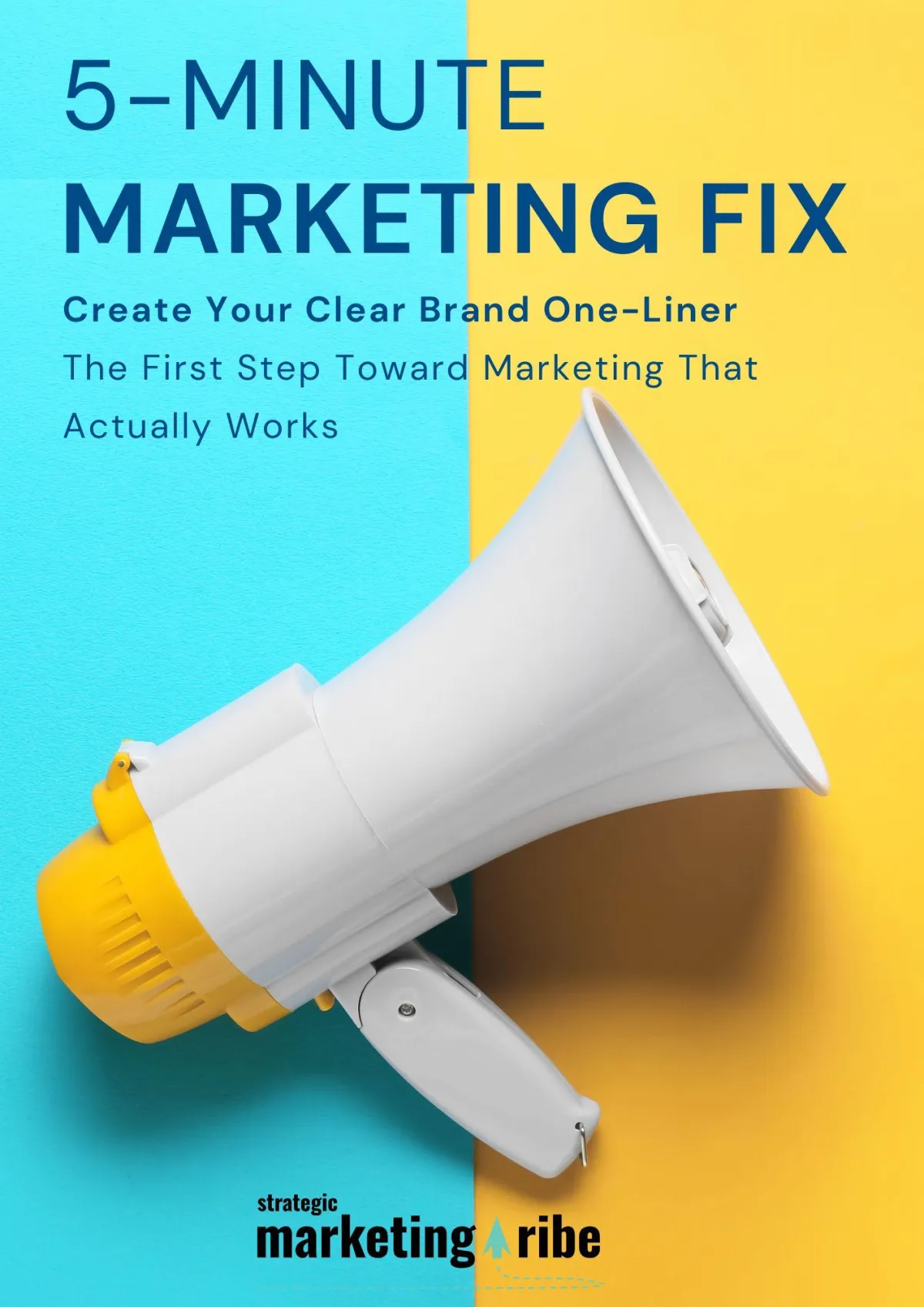
👉 Need help getting your message right? Download the 5-Minute Marketing Fix
Table of Contents:
2026 Digital Detox: How to Reclaim Focus Without Quitting Tech
The 2.5 Hour Tax—Who’s Really Profiting From Your Scrolls?
Why Willpower Fails—The Brain Chemistry You’re Up Against:
The 2026 Detox Blueprint—Less Screen, More Strategy:
Phase 2—Schedule “Dumb Phone” Hours:
But What If I Miss a Client Lead?
The Joy of Missing Out—Why Less Is Finally More:
1. AI Search Is Replacing Google Traffic Faster Than You Think
2. Ideal Client Profile: The Marketing Shortcut Small Businesses Miss
3. Content Marketing Boosts Revenue More Than Ads
4. Marketing Hourglass Explained: A Smarter Way to Grow
5. Brand Guidelines for Small Business: Why They Actually Matter
Frequently Asked Questions About Digital Detox for Focus
1. What is a digital detox, and how do I start one?
2. How does social media affect my ability to focus?
3. What is attention residue, and why does it matter?
4. Can I run a business without being online all the time?
5. Do I need to quit using my smartphone to stay focused?
6. What is the Default Mode Network, and how does boredom help?
7. How do I stop checking my phone every few minutes?
8. Will a digital detox actually make me more productive?
9. What if I miss something important during my detox time?
10. Is there a tool to help me clarify my business message once I get my focus back?
The 2.5 Hour Tax—Who’s Really Profiting From Your Scrolls?
Let’s run the numbers. The average adult racks up 2.5 hours of screen time on social media per day. That’s over 900 hours a year. If your business time is billed at R1,000 an hour, that’s nearly a million-rand leak in your schedule.
And this isn’t about pleasure versus productivity. It’s about whether you can read an entire paragraph without checking for a notification. You might have heard the term “Popcorn Brain.” It describes a mental state where attention jumps like a kernel in hot oil. You want to read. You want to write. But your brain keeps asking whether it’s missing something.
The real tragedy? Most of the time, it’s not.
Why Willpower Fails—The Brain Chemistry You’re Up Against:
If you’ve ever blamed yourself for a lack of focus, let’s clear something up. This is not about weakness. It’s about wiring.
According to Sophie Leroy’s research on attention residue, your brain doesn’t just switch tasks cleanly. It smears. When you bounce between emails, DMs, and strategy, a part of your brain stays stuck on what you just left. That residue reduces your brain’s processing power for up to 20 minutes.
And then there’s the dopamine loop. Social platforms reward unpredictably. You scroll because maybe there’s something exciting. Maybe someone liked your post. Maybe there’s a headline that makes you feel clever or angry or inspired. That “maybe” is the same thing that drives gambling addictions. Your brain learns to crave the unknown payoff. Not the content. The chase.
Even your creativity isn’t safe. The part of your brain that solves problems and comes up with ideas—called the Default Mode Network—only switches on when you’re bored. But if every spare moment is filled with TikToks or podcasts, your mind never gets the silence it needs to connect dots.
The 2026 Detox Blueprint—Less Screen, More Strategy:
This isn’t about becoming a monk. It’s about making focus easier to find.
Phase 1—Add Friction:
Turn your phone display to grayscale. Black and white screens make flashy apps look like accounting software. It sounds minor. It’s not. Dopamine needs color to spike. Take away the palette, and you take away the pull. I use an OS called Minimalist Phone, which works well for me.
Phase 2—Schedule “Dumb Phone” Hours:
You don’t need a brick phone. Just set your device to Do Not Disturb from 8 AM to 12 PM. That’s it. Four hours of clean mental air every morning. No buzzes. No beeps. Just you and your work. I’m still working on this one myself.
Phase 3—Ride the Urge Wave:
Feel the need to check your phone? Wait ten minutes. Most urges fade within three. What you’re really waiting for is your nervous system to calm down.
But What If I Miss a Client Lead?
Here’s the fear. If you don’t respond instantly, you’ll lose business. But in practice, fast replies can signal desperation. Clients assume busy people aren’t sitting with their phone in their hand waiting for a message.
Set up a VIP list. Let calls from your partner, kids, or team come through. Let everything else wait. That’s what inboxes are for.
The big win? You’ll start answering with clarity, not just speed. And your clients will notice.
The Joy of Missing Out—Why Less Is Finally More:
We grew up fearing FOMO. That if we missed a ping, a post, or a reel, we’d be out of the loop. But in a world where every loop leads to another, the real power is saying no.
Focus is no longer a nice-to-have. It is the last unfair advantage. The scarce resource. The modern version of quiet wealth.
In 2026, reclaiming your mind isn’t soft. It’s strategic. And if you want to build a brand people trust, it starts with giving your attention back to what matters.
That might mean missing a few messages.
But it also means you won’t miss your next big idea.
Get my 5-Minute Marketing Fix to sharpen your message and get one sentence that cuts through the noise.
Related Articles:
1. AI Search Is Replacing Google Traffic Faster Than You Think
If the algorithm is stealing your focus, it’s also reshaping how customers find you. This article shows what changed in search and how to respond with clarity, not clutter.
2. Ideal Client Profile: The Marketing Shortcut Small Businesses Miss
Digital detox clears your mind. This piece helps you apply that focus to your audience. Stop guessing who to target and start speaking to people who are already listening.
3. Content Marketing Boosts Revenue More Than Ads
Now that you’ve got your time back, put it to work. This article explains why focused content creation pays off better than scattershot ads.
4. Marketing Hourglass Explained: A Smarter Way to Grow
If you’re done reacting to pings and pings, use that space to build a proactive customer journey. This guide breaks it into seven repeatable steps.
5. Brand Guidelines for Small Business: Why They Actually Matter
Focus isn’t just for your brain. This one helps you create a brand playbook that saves time, sharpens decisions, and keeps your message on point every time.
Frequently Asked Questions About Digital Detox for Focus
1. What is a digital detox, and how do I start one?
A digital detox means taking intentional breaks from devices or apps that eat away your time and attention. Start small. Try grayscale mode on your phone, turn off non-essential notifications, and schedule “Do Not Disturb” hours in the morning to protect your focus.
2. How does social media affect my ability to focus?
Social media uses unpredictable rewards to keep you scrolling. Each time you check your phone, your brain releases dopamine, which trains you to keep chasing that small hit. The more often you interrupt your day with these checks, the harder it becomes to do deep work.
3. What is attention residue, and why does it matter?
Attention residue is the mental drag that sticks around after switching tasks. If you check an email and jump back to writing a proposal, part of your brain is still thinking about that email. It can take up to 20 minutes to fully refocus after each switch.
4. Can I run a business without being online all the time?
Yes. Most clients don’t expect instant replies. Setting clear communication windows (like checking emails every few hours) often earns more respect. It shows you’re focused and in demand, not idle and reactive.
5. Do I need to quit using my smartphone to stay focused?
No. You don’t need to throw your phone in a river. Instead, you can make it less addictive. Switch to grayscale, delete the worst offenders from your home screen, and use app blockers or “dumb phone” hours to take control of when and how you use it.
6. What is the Default Mode Network, and how does boredom help?
The Default Mode Network is a part of your brain linked to creativity and problem-solving. It only activates when you're not focused on outside input. That’s why bored walks, silent showers, or just staring out the window often lead to breakthrough ideas.
7. How do I stop checking my phone every few minutes?
Use the “wait 10 minutes” rule. When the urge hits, give yourself ten minutes before you act. The wave of urgency often passes on its own. You can also move distracting apps off your home screen and schedule phone-free blocks in your calendar.
8. Will a digital detox actually make me more productive?
Yes. By reducing distractions, you protect your ability to focus deeply. That’s when your best ideas, strategies, and business decisions happen. It’s not about working longer. It’s about thinking clearly when you do.
9. What if I miss something important during my detox time?
Set up a VIP list so only calls from key people (like family or team members) come through. Everything else can wait a few hours. Most business messages don’t need instant replies, and clients won’t vanish just because you responded at lunch instead of breakfast.
10. Is there a tool to help me clarify my business message once I get my focus back?
Yes. Try the5-Minute Marketing Fix. It helps you write one simple sentence that explains what your business does and why it matters. Perfect for focused brains and short attention spans alike.

Is your Marketing Message so confusing even your own mom doesn’t get it? Let's clarify your message—so everyone wants to work with you!





Created with clarity (and coffee)